Figure AI and BMW Group Announce Strategic Partnership for Humanoid Deployment - RobotWale News
Major Partnership Announced Between Figure AI and BMW Group
In a significant development for the humanoid robotics sector, Figure AI and BMW Group have officially announced a strategic partnership to integrate humanoid robots into their manufacturing processes. The collaboration was confirmed earlier this week, signaling a shift towards autonomous labor in high-precision automotive assembly lines. This move marks a pivotal moment for the industry, transitioning humanoid robots from research labs to large-scale industrial deployment.
Focus on Industrial Automation Capabilities
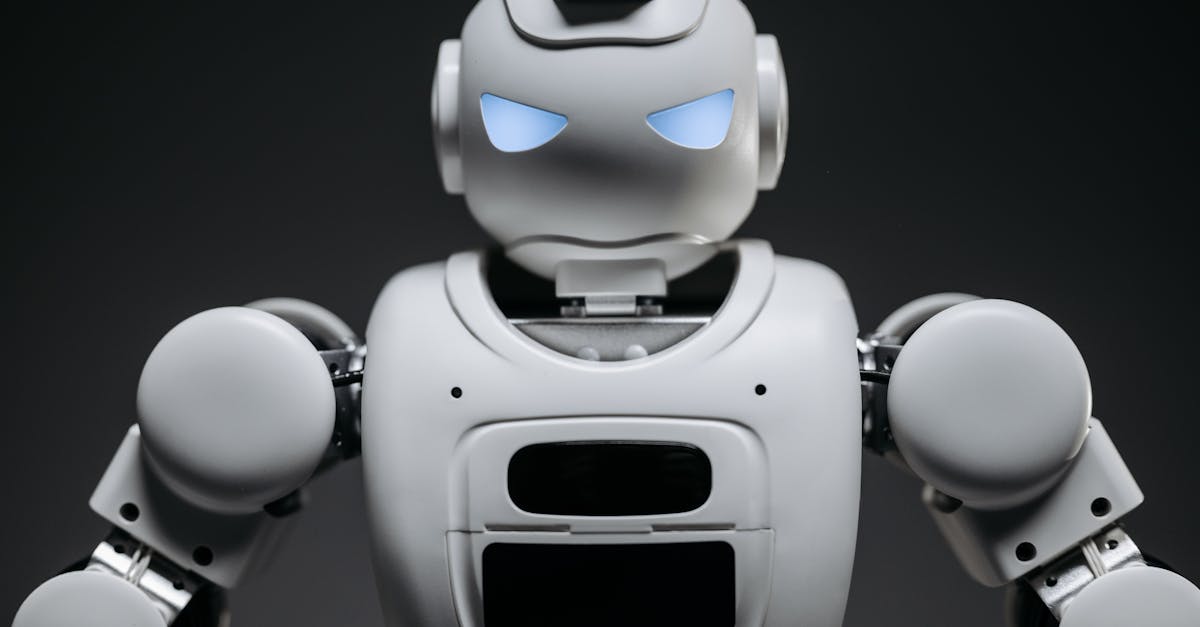
The partnership aims to deploy Figure’s F1 humanoid robots within BMW’s global production facilities. These robots are designed to handle repetitive tasks such as assembly, inspection, and logistics, reducing human error and increasing operational efficiency. This move underscores the growing maturity of general-purpose robotics in heavy industry, with the F1 model currently demonstrating enhanced dexterity and battery life improvements over previous iterations. The technology is expected to handle complex tooling and precision work previously reserved for human workers.
Implications for India’s Manufacturing Sector
For India’s automotive manufacturing ecosystem, this news is critical. As major global players adopt humanoid technology, Indian component suppliers and OEMs are expected to follow suit to remain competitive. Industry experts suggest that the cost of deploying humanoid robots could eventually drop below $30,000 per unit, making automation accessible to mid-sized Indian enterprises. This price point aligns with the labor cost savings required to justify capital expenditure in developing markets.
Furthermore, the partnership may accelerate the development of localized robotics supply chains in India. With government initiatives like the Production Linked Incentive (PLI) scheme, Indian tech startups are eyeing opportunities to manufacture parts for these advanced systems. The potential for cost reduction in labor-intensive sectors like textiles and automotive assembly could revolutionize productivity and export competitiveness.
Market Context and Future Outlook
While specific deployment timelines remain under wraps, both companies are expected to begin pilot programs in the coming months. The announcement highlights a broader trend where general-purpose humanoid robots are transitioning from prototypes to commercial reality. Competitors like Tesla’s Optimus and Boston Dynamics are also racing to secure similar industrial contracts.
RobotWale.com will continue to track the rollout of these technologies and their impact on the Indian workforce and economy. Industry analysts predict that the humanoid robot market in India could see a CAGR of over 15% in the next five years, driven by such partnerships and policy support. This growth trajectory positions India to become a key hub for humanoid robotics manufacturing in the Asia-Pacific region.
More in Reviews & Opinion