Figure AI Unveils Figure 02 Humanoid Robot for Industrial Deployment - RobotWale News
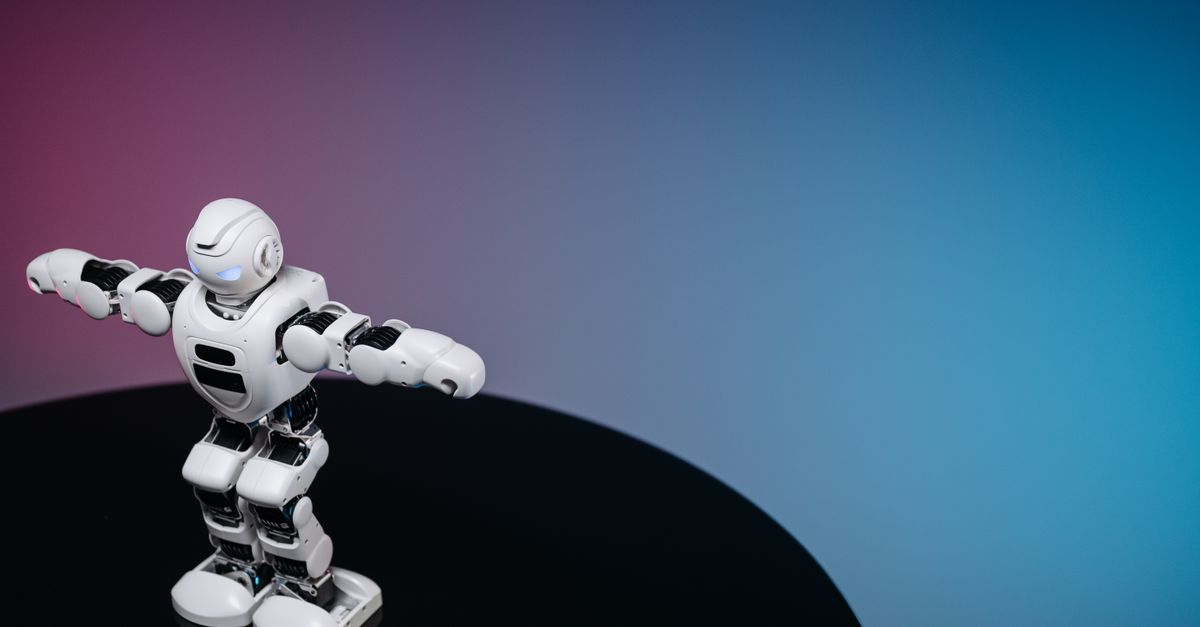
Figure AI Launches Figure 02 Humanoid Robot for Industrial Use
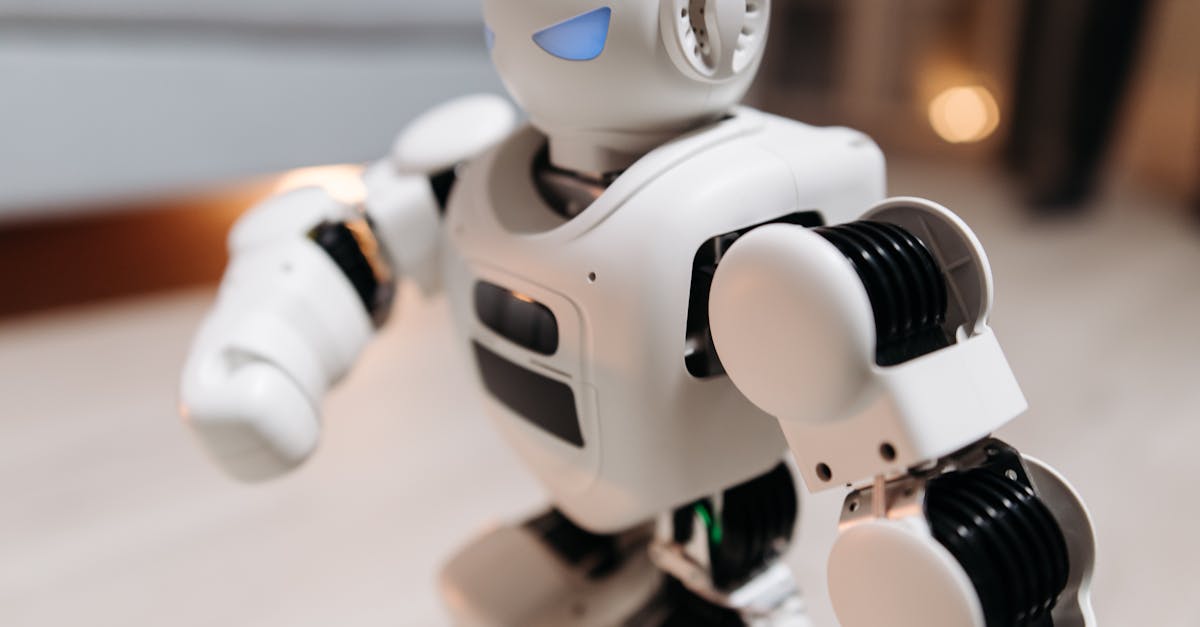
Figure AI officially unveiled the Figure 02 humanoid robot on June 12, 2024, marking a significant step toward commercial deployment in manufacturing and logistics sectors. The new model introduces a fully redesigned actuator system, improved hand dexterity, and a proprietary AI foundation model trained on real-world manipulation data. The robot stands at 170 centimeters tall and weighs 70 kilograms, capable of navigating complex environments without specialized infrastructure modifications.
Technical Upgrades and Operational Capabilities
The Figure 02 features over 40 degrees of freedom, enabling it to perform delicate tasks such as sorting fragile components, operating heavy machinery, and collaborating alongside human workers on assembly lines. Its tactile sensors and force-feedback joints allow for precise grip control, while integrated LiDAR and stereo cameras provide real-time spatial awareness. The robot operates on a modular battery system that supports up to eight hours of continuous work per charge, with fast-charging capabilities reducing downtime during shift changes.
India Market Relevance and Pricing Outlook
Indian manufacturing and logistics companies are closely monitoring the Figure 02 rollout, with several Tier-1 industrial parks in Tamil Nadu, Maharashtra, and Karnataka initiating feasibility studies. Local system integrators are negotiating licensing agreements to assemble the robot domestically, which could significantly reduce import costs. Industry analysts project that localized production may bring the unit price down to approximately ₹18–22 lakhs, making humanoid automation accessible to mid-sized enterprises. The Indian government’s recent policy push for advanced robotics in the PLI scheme further supports potential adoption in automotive, electronics, and pharmaceutical sectors.
Deployment Timeline and Industry Adoption
Figure AI has confirmed that initial deployments will begin in Q4 2024 at select partner facilities in North America and Europe, with global commercial availability expected by early 2025. The company is actively expanding its developer ecosystem, offering SDKs and simulation environments to help enterprises customize workflows. As humanoid robotics transitions from prototype to production, India’s growing automation demand positions it as a key market for next-generation human-machine collaboration.
More in Reviews & Opinion