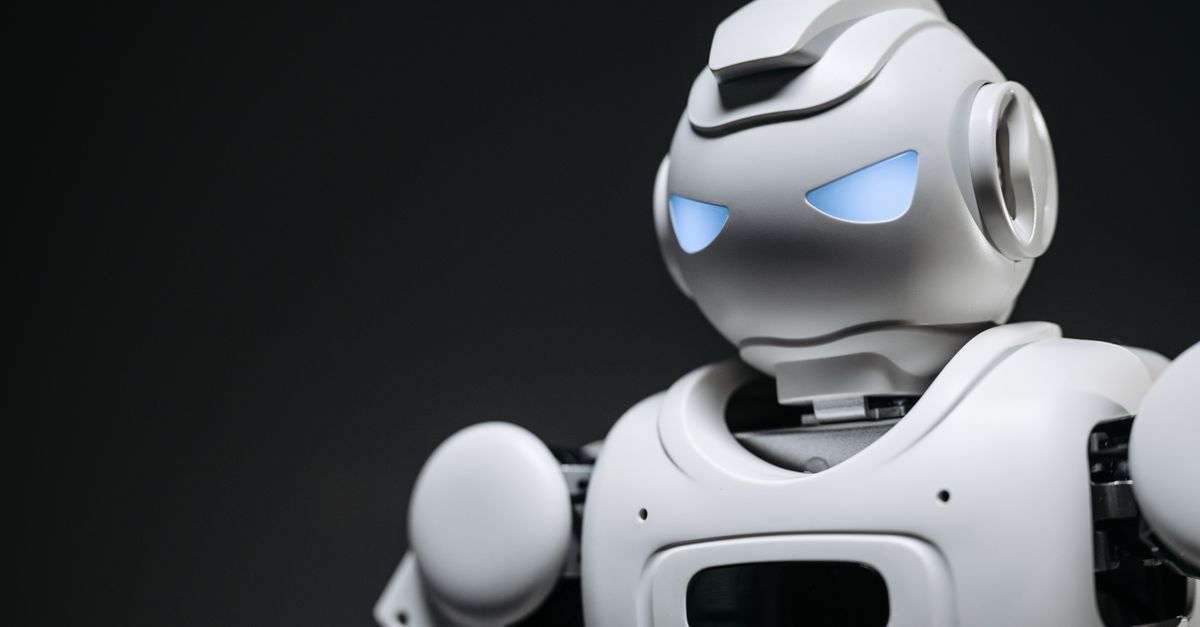
Humanoid Robots Enter Commercial Phase: Figure 02 and Optimus Gen 3 Redefine Industrial Automation - RobotWale News
Commercial Deployment Begins
In late 2024, Figure AI officially initiated commercial deliveries of its Figure 02 humanoid robot, while Tesla demonstrated its Optimus Gen 3 prototype performing intricate assembly tasks at its Fremont facility. Both platforms represent a decisive transition from controlled laboratory trials to real-world industrial deployment. Figure 02 weighs 75 kilograms, features a 48-volt battery system rated for six hours of continuous operation, and utilizes a custom-designed hand with 11 degrees of freedom per digit. Tesla’s latest iteration introduces a redesigned manipulator with improved tactile feedback and a neural architecture trained on millions of real-world manipulation videos.
Pricing and India Relevance
Global pricing for these next-generation humanoids currently ranges between $75,000 and $120,000 per unit. When factoring in Indian import duties, logistics, and a standard 18% GST, landed costs in India could exceed ₹85 lakhs per system. This pricing structure makes direct imports economically unviable for most mid-sized manufacturers. Consequently, Indian automotive, electronics, and pharmaceutical companies are actively pursuing technology transfer agreements and local assembly partnerships. The Indian government’s Production Linked Incentive (PLI) scheme for advanced hardware and robotics R&D grants could further reduce deployment costs, potentially bringing viable domestic pricing below ₹50 lakhs within the next 24 months. Several Bengaluru and Pune-based automation firms are already prototyping localized software stacks tailored to Indian factory workflows.
Review Methodology and Industry Outlook
Early performance benchmarks emphasize improved joint torque control, faster inference speeds, and enhanced fall recovery algorithms. However, deployment in unstructured environments still faces challenges in sensor drift, thermal management, and software integration with legacy PLC systems. RobotWale’s upcoming hands-on evaluation will systematically compare the Figure 02 and Optimus Gen 3 against established collaborative robots from Universal Robots and Techman. Key assessment criteria include payload-to-weight ratios, end-effector precision, software stack accessibility, and total cost of ownership for Indian manufacturing floors. Industry analysts predict that humanoid robots will initially target repetitive heavy-lifting and hazardous material handling in India’s industrial corridors before expanding to logistics and healthcare applications.
More in Reviews & Opinion