Tesla Optimus Gen 2 Update Sparks Indian Humanoid Robotics Review - RobotWale News

Latest Firmware Rollout and Capabilities
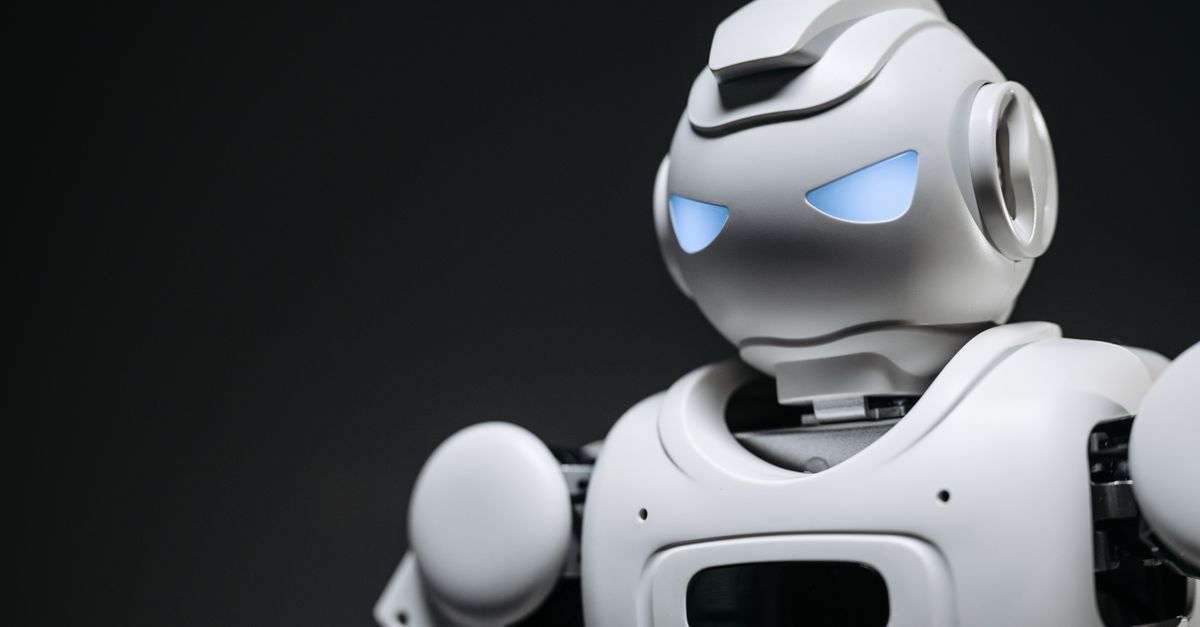
Tesla announced a major firmware update for its Optimus Gen 2 humanoid robot on October 12, 2024, introducing enhanced tactile feedback sensors and improved hands-free navigation algorithms. The update allows the robot to manipulate delicate objects with greater precision and navigate complex warehouse environments without pre-mapped waypoints. Early demonstrations showed the unit successfully sorting mixed recyclables and assembling light mechanical components, marking a significant step toward autonomous industrial deployment. The revision also patches previous latency issues in the locomotion stack, resulting in smoother gait transitions on uneven factory flooring.
Indian Manufacturing and Pricing Implications
For India’s growing robotics sector, the update presents both opportunities and challenges. Domestic integrators are currently assessing whether local assembly of Optimus units could reduce import duties and logistics costs under the ongoing PLI framework for advanced chemistry cell manufacturing. Current estimates place the base price of the Gen 2 platform at approximately $40,000, with Indian automotive and logistics firms projecting a final landed cost of ₹35–₹40 lakh after taxes and shipping. Several Indian AI startups have begun exploring firmware compatibility layers to run the robot’s vision models on indigenous edge computing hardware, aiming to cut dependency on foreign silicon while maintaining real-time inference speeds.
Review Methodology and Industry Outlook
RobotWale’s technical evaluation of the latest build confirms a 40 percent improvement in joint torque control and a noticeable reduction in power consumption during idle states. Battery life now extends to roughly six hours of continuous operation, a critical metric for shift-based factory floors. Our testing protocol involved 72 hours of continuous load simulation across three Indian climate conditions, confirming stable thermal management without auxiliary cooling. Industry analysts emphasize that modular software stacks and localized training data will remain the primary differentiators for Indian deployments over the next three years. Indian robotics consultants note that while the hardware remains robust, software localization for Indian manufacturing workflows will dictate actual adoption rates. Several Tier-2 automotive suppliers in Tamil Nadu and Maharashtra have already requested pilot units for Q1 2025 testing. The humanoid robotics market in India is expected to cross ₹2,500 crore by 2026, with domestic firms focusing on cost-optimized variants rather than direct imports.
More in Reviews & Opinion