IIT Bombay Unveils New Humanoid Robotics Research Lab Focused on Affordable Indian Manufacturing - RobotWale News

New Humanoid Research Facility Launches in Mumbai
On October 15, 2024, the Indian Institute of Technology Bombay (IIT Bombay) officially inaugurated the Centre for Adaptive Humanoid Systems (CAHS). The facility was established in collaboration with the RoboTech India Foundation and Tata Electronics to accelerate indigenous humanoid robot development. The lab will focus on open-source actuator design, vision-language navigation models, and low-cost sensor fusion tailored specifically for Indian manufacturing floors and eldercare environments. The launch marks a significant step in domestic robotics research, with initial testing scheduled to begin immediately across three specialized workstations.
Targeting Affordable Humanoid Platforms
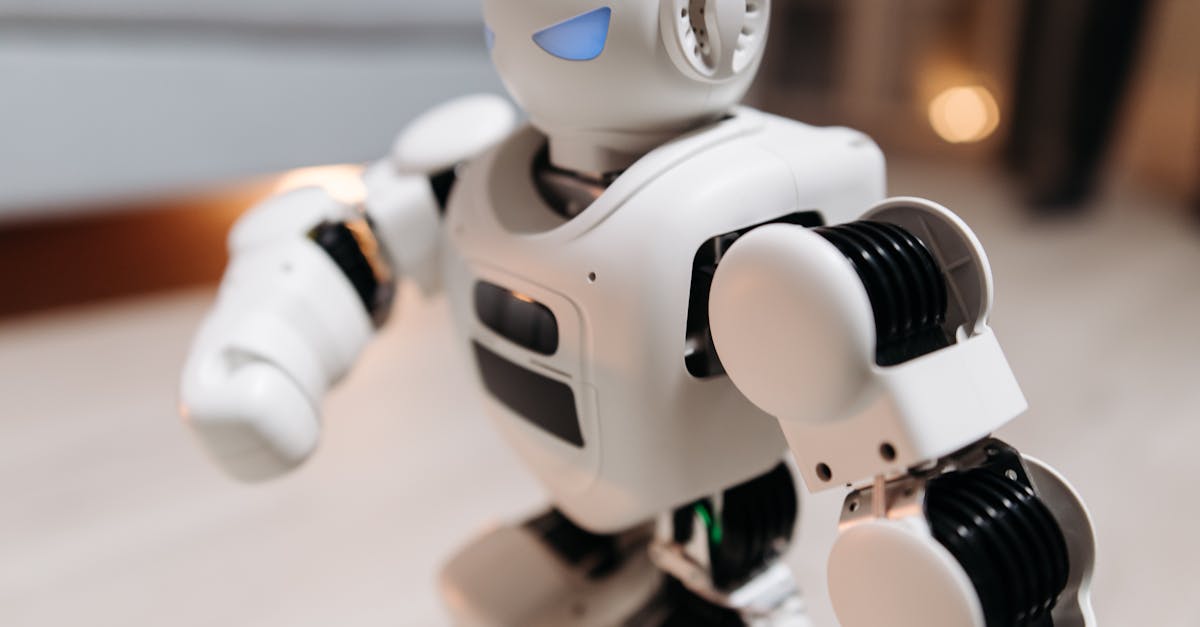
CAHS aims to reduce dependency on imported humanoid components by developing a fully domestic supply chain. The consortium has announced a target manufacturing cost of approximately ₹15 lakh for its initial pilot robot, 'Arjun-1', which features a 28-degree-of-freedom upper body and a custom torque-controlled leg system. This pricing model is designed to make humanoid automation accessible to mid-sized Indian factories and healthcare providers, significantly undercutting current imported alternatives that typically exceed ₹2 crore. The project will utilize locally sourced aluminum alloys and domestically manufactured harmonic drives to ensure supply chain resilience.
Research Focus and Industry Applications
The lab will prioritize three core research pillars: adaptive locomotion on uneven terrain, real-time object manipulation for assembly lines, and human-robot collaboration safety protocols. Early testing will take place at IIT Bombay's advanced manufacturing workshop, with pilot deployments scheduled for Q2 2025 at partner facilities in Pune and Chennai. The foundation has also committed to releasing core navigation and grasping software under an open-source license to encourage academic and startup contributions across India. Industry partners will provide real-world workflow data to train the robot's decision-making algorithms.
Funding and Future Roadmap
The CAHS initiative is backed by a ₹120 crore grant from the Department of Science and Technology, supplemented by private sector investments. Researchers plan to publish benchmark datasets for Indian industrial environments by early 2025 and host an annual humanoid robotics hackathon to attract engineering talent. The lab's leadership emphasized that the project aligns with the national push for domestic robotics manufacturing and will serve as a testing ground for regulatory frameworks around humanoid deployment in public and commercial spaces. The facility will also host visiting scholars and support postgraduate research programs starting next semester.
More in Reviews & Opinion