IIT Delhi Humanoid Robotics Lab Unveils Vega-2 Research Platform for Academic and Industrial Testing - RobotWale News

Platform Launch and Technical Specifications
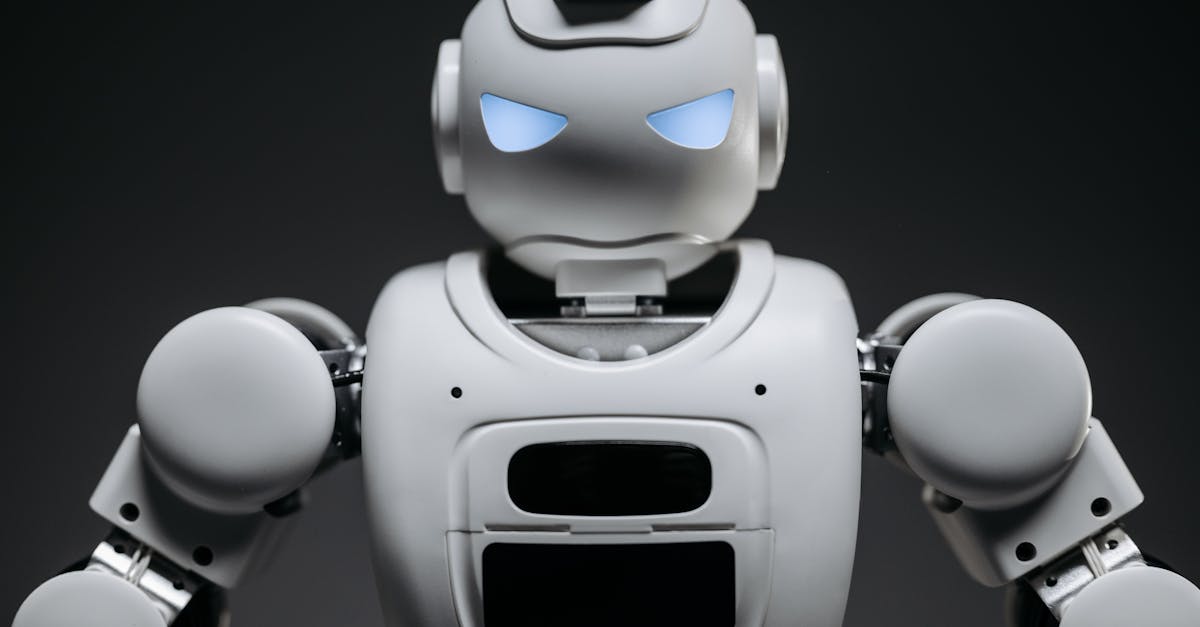
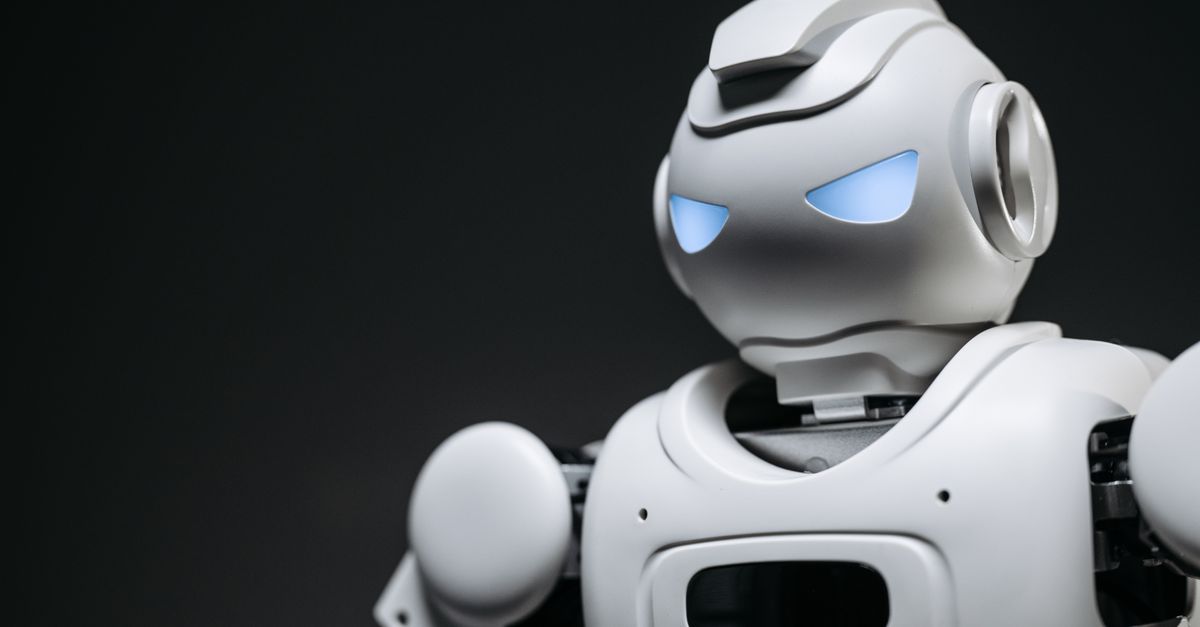
On October 12, 2024, the Humanoid Robotics Laboratory at the Indian Institute of Technology Delhi officially unveiled the Vega-2, a fully articulated 42-degree-of-freedom humanoid robot engineered specifically for academic research and industrial prototyping. The platform utilizes custom-designed harmonic drive actuators, a high-torque series elastic actuator system, and a centralized computing architecture built around NVIDIA Jetson Orin NX modules. Each joint integrates absolute encoders and thermal management circuits to sustain continuous dynamic testing.
Open-Source Framework and Simulation Integration
Concurrent with the hardware rollout, the lab released the VegaOS control stack under the Apache 2.0 license. The software architecture natively supports ROS 2 Humble and provides pre-compiled libraries for inverse kinematics, model predictive control, and whole-body dynamics. The development team has also published a comprehensive hardware-in-the-loop simulation suite compatible with NVIDIA Isaac Sim and Webots, allowing researchers to validate locomotion and manipulation algorithms before physical deployment.
Pricing and India Market Relevance
To accelerate domestic research capabilities, IIT Delhi has structured tiered pricing for the Indian market. The academic research kit is priced at ₹18.5 lakhs, while the commercial engineering variant is available at ₹28 lakhs. The institution has secured initial commitments from twelve state-funded engineering colleges and three private research institutes across Maharashtra, Karnataka, and Tamil Nadu. Early partners will receive dedicated firmware updates, priority technical support, and access to the lab’s high-speed motion capture facility for gait calibration.
Research Roadmap and Future Deployments
The Vega-2 platform will serve as the primary hardware standard for the National Humanoid Robotics Initiative, a multi-institution program funded by the Department of Science and Technology. The lab has outlined a phased development roadmap, with multi-modal perception modules including 3D LiDAR arrays and tactile force-torque sensors scheduled for Q2 2025. The research group will host its first national humanoid robotics benchmark challenge in March 2025, with registration now open for over forty university teams and independent robotics laboratories.
More in Reviews & Opinion