IIT Madras and Global Robotics Consortia Launch Open-Source Humanoid Locomotion Framework - RobotWale News

Breakthrough in Humanoid Locomotion Research
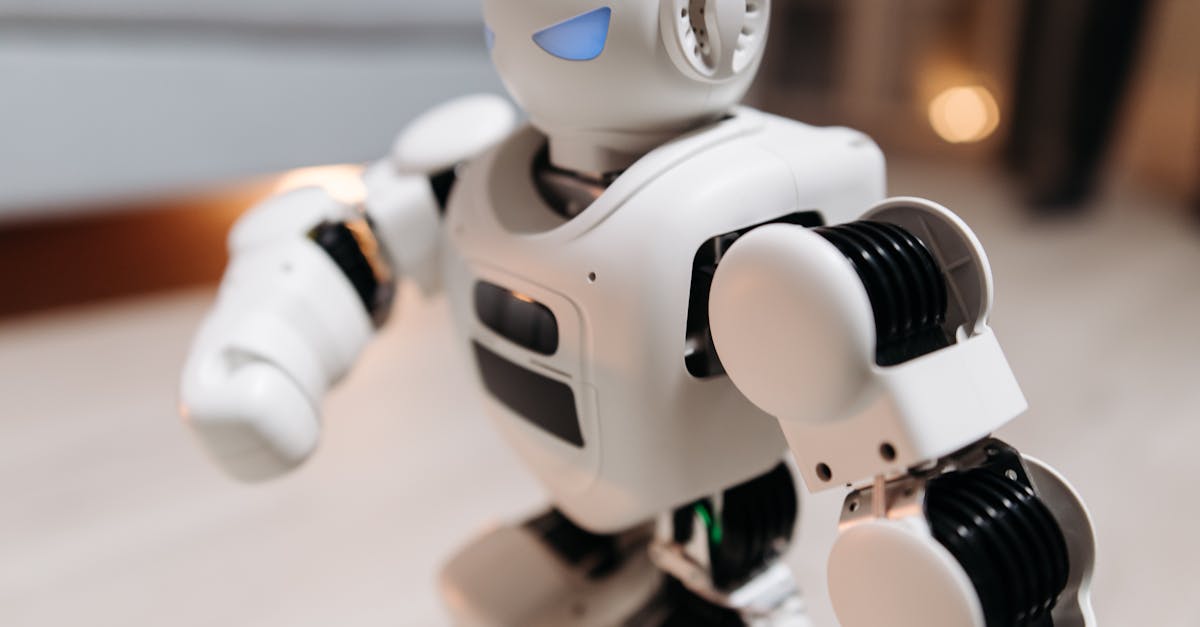
On October 15, 2024, researchers from IIT Madras, in partnership with the Toyota Research Institute and ETH Zurich’s Robotics Lab, officially released the OpenHumanoid Locomotion Framework (OHLF). The initiative marks a significant step in democratizing access to advanced bipedal walking algorithms and dynamic balance control for humanoid robots. OHLF provides a complete software stack, including reinforcement learning modules, sensor fusion pipelines, and real-time control interfaces compatible with existing hardware platforms. The framework features a built-in MuJoCo simulation environment optimized for low-latency training on consumer-grade GPUs. It has been tested on custom-built Indian humanoid prototypes developed by students and faculty at IIT Madras, demonstrating stable walking speeds of up to 2.5 kilometers per hour on uneven terrain. Early benchmarking shows a 40% reduction in training time compared to previous proprietary baselines.
India-Centric Development and Accessibility
Recognizing the high cost of proprietary humanoid development, the consortium has structured OHLF with a tiered access model. Academic institutions in India can download and utilize the framework free of charge, while commercial entities will be offered a commercial license starting at $12,000 annually. The pricing structure aims to balance sustainability with rapid adoption across India’s growing robotics ecosystem. IIT Madras professor Dr. Arjun Mehta, lead researcher on the project, emphasized that the framework is designed to integrate seamlessly with cost-effective Indian actuators and microcontrollers from partners like SMC India and Tata Elxsi. This approach directly addresses the supply chain and hardware affordability challenges that have historically slowed domestic humanoid robot production.
Industry Impact and Future Roadmap
The release of OHLF is expected to accelerate prototyping cycles for Indian startups and research labs working in logistics, healthcare, and manufacturing automation. The consortium plans to host a series of hands-on workshops across Bangalore, Hyderabad, and Pune in November 2024 to train developers on hardware integration and simulation environments. Future updates will include modular upper-body manipulation algorithms and cloud-based motion data sharing capabilities. As global competition in humanoid robotics intensifies, this collaborative open-source model positions India as a key contributor to foundational research rather than merely an assembly hub.
More in Reviews & Opinion