IIT Madras and Tata Advanced Systems Unveil India’s First Indigenous Humanoid Robot Platform - RobotWale News

Domestic Breakthrough in Humanoid Robotics
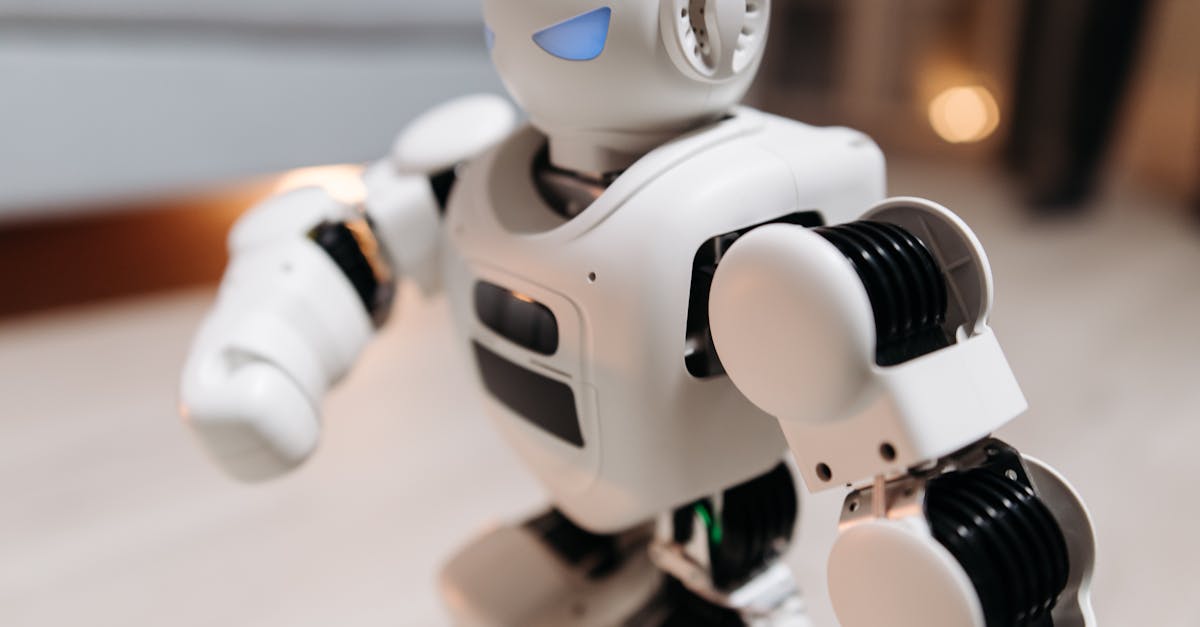
IIT Madras and Tata Advanced Systems Limited (TASL) have jointly unveiled India’s first fully indigenous humanoid robot platform, designated as Project Aryan, at a press conference in Chennai on October 12, 2024. The development marks a significant milestone in India’s push toward self-reliance in advanced robotics and artificial intelligence hardware.
Technical Specifications and Industrial Applications
Project Aryan stands 1.7 meters tall and weighs 65 kilograms, featuring a custom-designed torque-controlled actuator system, real-time 3D vision processing, and a modular software architecture built on open-source ROS 2 frameworks. The robot is engineered for high-precision tasks in automotive assembly lines, electronics manufacturing, and hazardous environment handling. Integrated with a proprietary AI navigation module, it can autonomously map factory floors and adapt to dynamic workspaces without external guidance systems. The onboard compute unit utilizes a custom ARM-based processor optimized for low-latency inference, enabling real-time object manipulation and collaborative human-robot interaction.
India Relevance and Market Pricing
Unlike imported humanoid systems that currently cost between $150,000 and $300,000, Project Aryan will be priced at approximately ₹45 lakhs for the base industrial variant, with customized enterprise editions starting at ₹65 lakhs. The government has classified the platform under the Production Linked Incentive (PLI) scheme for robotics, allowing participating manufacturers to receive up to 20% capital subsidies. Initial assembly will take place at TASL’s facility in Hosur, Tamil Nadu, with plans to scale production to 500 units annually by Q3 2025. Local component sourcing is projected to reach 78% within the first year, reducing import dependency and strengthening domestic supply chains for precision gears, servo motors, and high-density battery packs.
Industry Adoption and Future Roadmap
Early deployment trials have already commenced at two automotive component manufacturing hubs in Pune and Chennai. The AI training pipeline leverages a proprietary simulation environment trained on over 2 million hours of synthetic factory data, enabling rapid skill transfer to physical hardware. Industry analysts note that localized development will drastically reduce dependency on foreign robotics suppliers, particularly as global supply chain constraints continue to impact lead times. IIT Madras researchers will continue refining the robot’s dexterity and energy efficiency, while TASL handles mass production and after-sales support. Commercial rollout to mid-tier manufacturers is scheduled for early 2025, with financing options through state-backed industrial banks.
More in Reviews & Opinion