IIT Madras Unveils Advanced Bipedal Humanoid Robot for Industrial Automation - RobotWale News

IIT Madras Unveils Advanced Bipedal Humanoid Robot for Industrial Automation
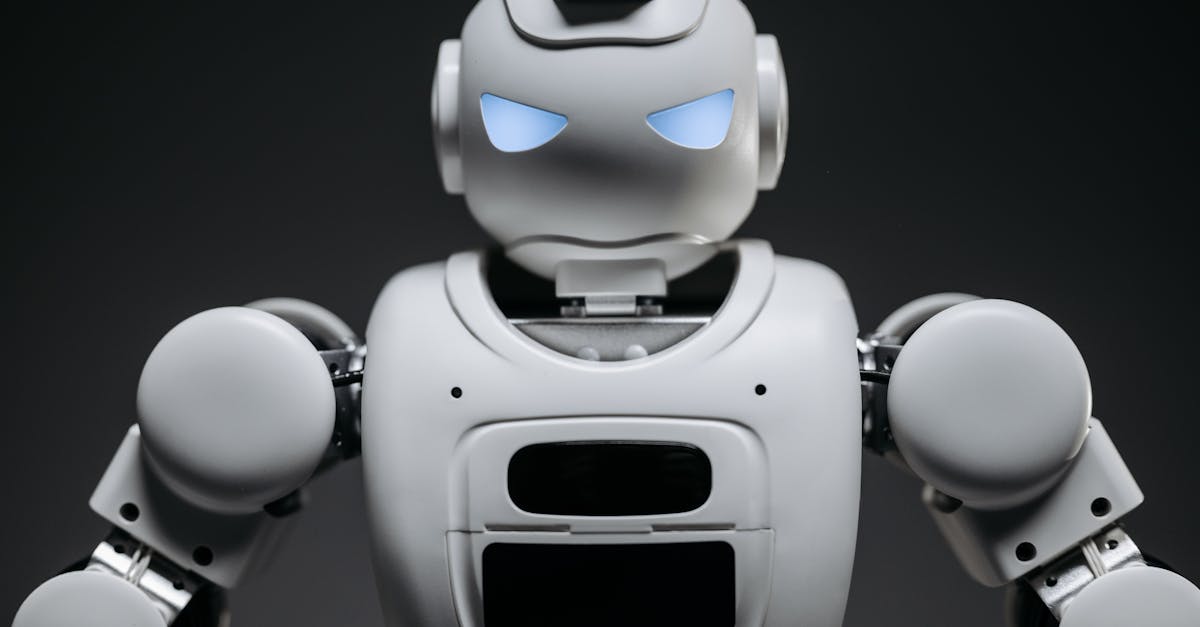
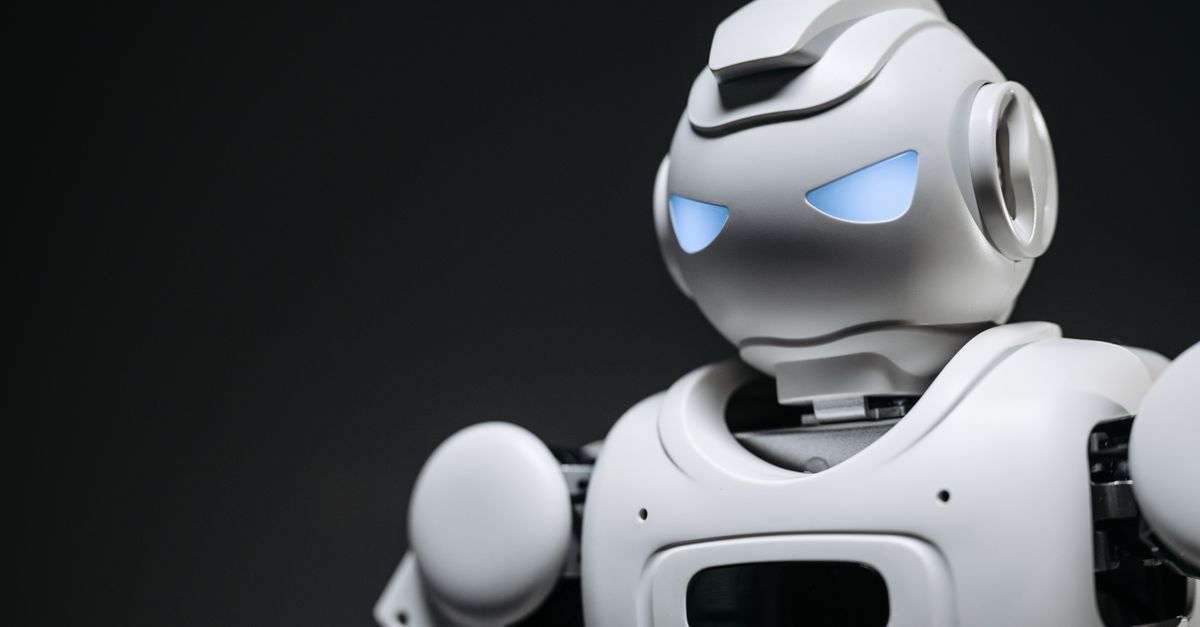
Researchers at the Indian Institute of Technology Madras have officially unveiled a new bipedal humanoid robot prototype designed to assist in complex manufacturing tasks. The development marks a significant leap for India’s robotics research sector, positioning the institute at the forefront of autonomous machine innovation in South Asia. The announcement was made earlier this month during a closed-door demo for industry stakeholders.
The project, led by the Centre for Robotics and Artificial Intelligence at IIT Madras, aims to bridge the gap between academic research and industrial application. The robot features a dual-arm configuration capable of lifting up to 10 kilograms, equipped with advanced computer vision systems for navigation and object recognition. Unlike traditional wheeled robots, this bipedal design allows for mobility in uneven terrain common in factory floors and warehouses, enhancing versatility in hazardous work zones.
Key to the development is the integration of indigenous AI algorithms tailored specifically for the Indian industrial context. The team has focused on reducing latency in decision-making processes, ensuring the robot can react to dynamic environments without heavy reliance on cloud connectivity. This on-device processing capability is crucial for cost-effective deployment in emerging markets where connectivity can be inconsistent.
Speaking on the initiative, a senior researcher noted that the prototype is currently undergoing rigorous testing in a simulated factory environment. The goal is to validate safety protocols and operational efficiency before any commercial rollout. The project has received support from the Ministry of Electronics and Information Technology, aligning with the national push for ‘Make in India’ robotics and reducing the import burden on critical tech hardware.
Cost projections suggest that once mass production is achieved, the humanoid robot will be priced significantly lower than imported counterparts from China or the United States. While exact pricing remains under wraps, estimates indicate a target price point that makes it accessible for small and medium enterprises (SMEs). This affordability could revolutionize the automation landscape in India, where labor costs are rising but capital expenditure on automation remains a barrier for many businesses.
The research team plans to open-source certain aspects of the control software to foster collaboration within the Indian robotics community. This move is expected to accelerate development across other academic institutions and startups, creating a robust ecosystem for humanoid robotics. The prototype is expected to be demonstrated at the upcoming India Robotics Summit, where industry partners will evaluate its potential for integration into existing supply chains.
With this launch, IIT Madras reinforces its commitment to developing homegrown technologies that address local challenges. The humanoid robot represents a strategic step toward achieving self-reliance in high-tech manufacturing equipment, reducing dependency on foreign robotics firms. The lab is also exploring partnerships with automotive manufacturers to further refine the robot’s utility in assembly lines.
Industry analysts believe this development could position India as a key player in the global humanoid robotics market within the next five years. Continued investment in research and development will be critical to scaling production and meeting global standards. The success of this prototype could pave the way for broader applications in healthcare, agriculture, and logistics across the country.
More in Reviews & Opinion