Tesla Optimus Gen-2 Demonstrates Enhanced Capabilities in Latest R&D Cycle - RobotWale News

Technical Breakthroughs in Actuator Systems
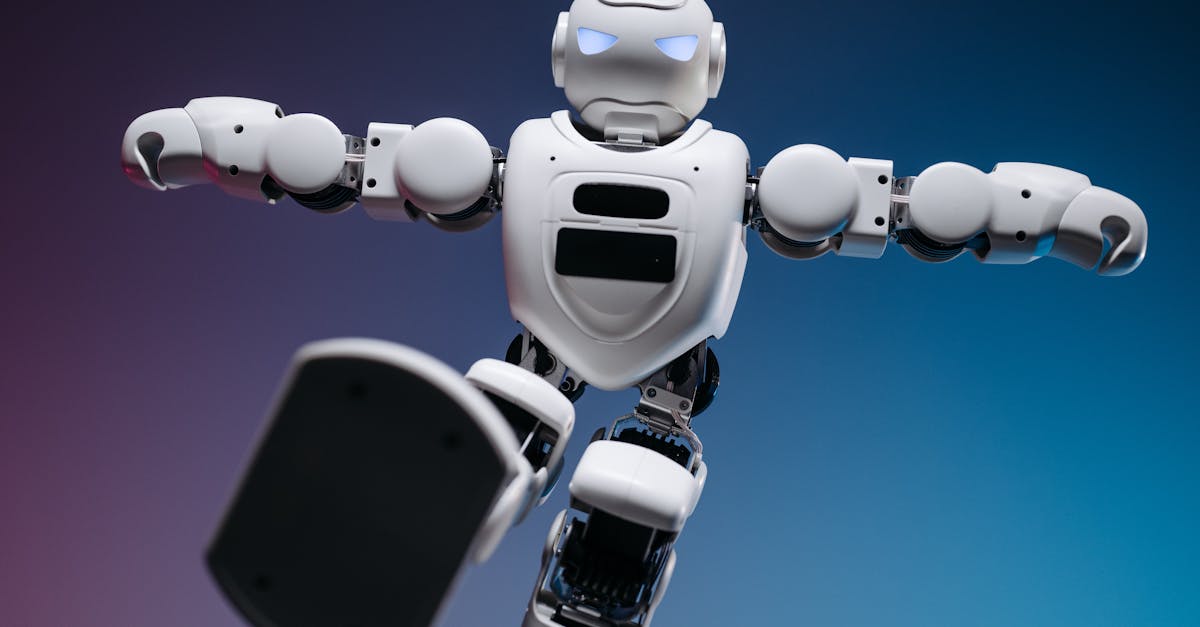
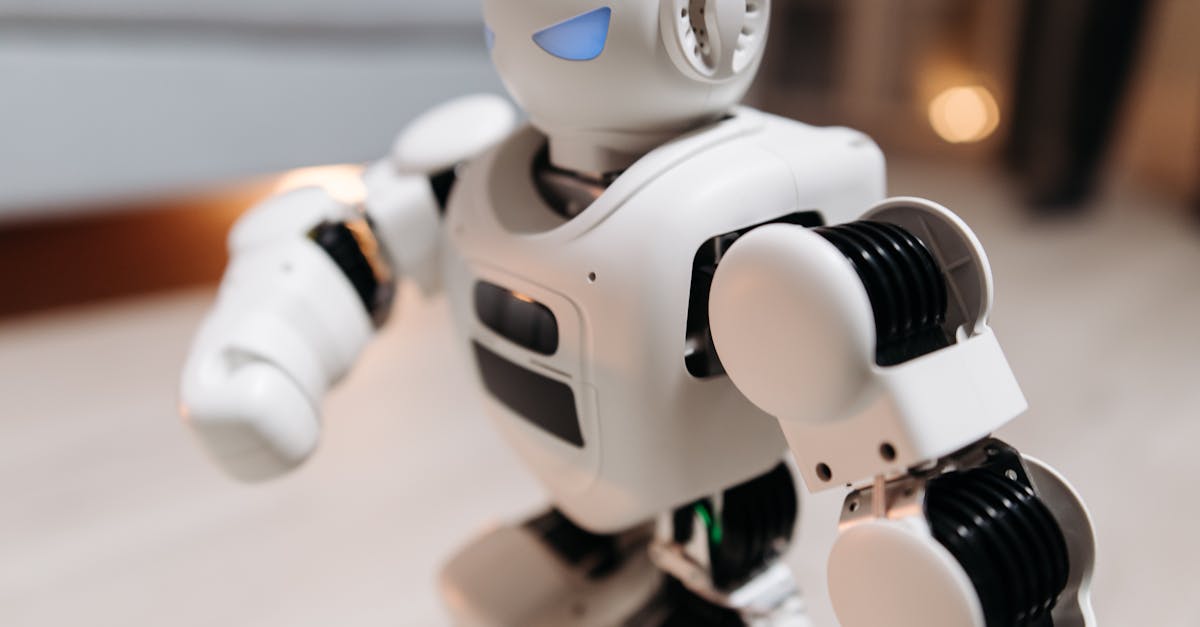
Tesla recently showcased significant advancements in its humanoid robot project, Optimus, during a recent internal demonstration. The Gen-2 prototype displayed improved dexterity in handling delicate objects, marking a shift from the earlier focus on basic locomotion. Engineers noted that the new actuator systems allow for faster response times, essential for complex assembly tasks. This development underscores the rapid pace of hardware iteration within Tesla’s robotics division. The updated vision system also demonstrated the ability to navigate unstructured environments with greater precision, leveraging neural networks trained on real-world data.
Economic Impact on Indian Manufacturing
The Indian automotive sector is watching closely as global manufacturers seek to automate labor-intensive processes. Industry analysts suggest that humanoid robots like Optimus could be integrated into Indian assembly lines within the next three years, provided regulatory frameworks align. Pricing estimates suggest the initial units will retail around $30,000 to $40,000 USD. For Indian manufacturers, this price point is competitive compared to traditional industrial arms, which often exceed $50,000 per unit.
Tech hubs in Bangalore and Pune are already scouting partnerships to localize the supply chain for such robots. Major Indian conglomerates are exploring collaborations to adapt the software for local manufacturing requirements, potentially lowering costs further through domestic production. This shift could significantly reduce the total cost of ownership for factories in India, where labor costs are rising rapidly.
Future R&D Trajectories and Collaborations
Looking ahead, the focus remains on scaling production and refining general-purpose AI. Tesla aims to deploy thousands of units in its own factories before the end of the decade. For the broader robotics community, this sets a benchmark for performance and cost-efficiency. Researchers in Indian institutions are now prioritizing similar AI models to compete in the global market.
RobotWale’s analysis indicates that Indian research labs are actively engaging in reverse engineering components to build cost-effective alternatives. If successful, this could position India as a key player in the humanoid robotics supply chain, attracting foreign investment for further innovation in the sector.
More in Reviews & Opinion