Tesla Unveils Optimus Gen 2 Humanoid with Improved Capabilities - RobotWale News
Tesla Unveils Optimus Gen 2 at Annual AI Event
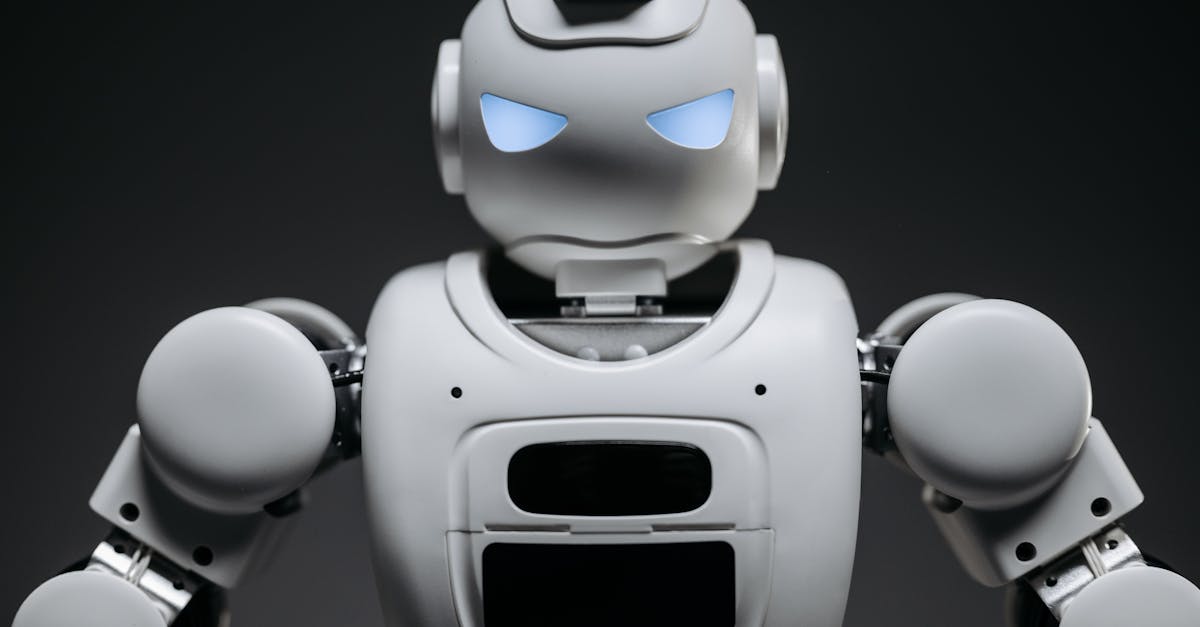
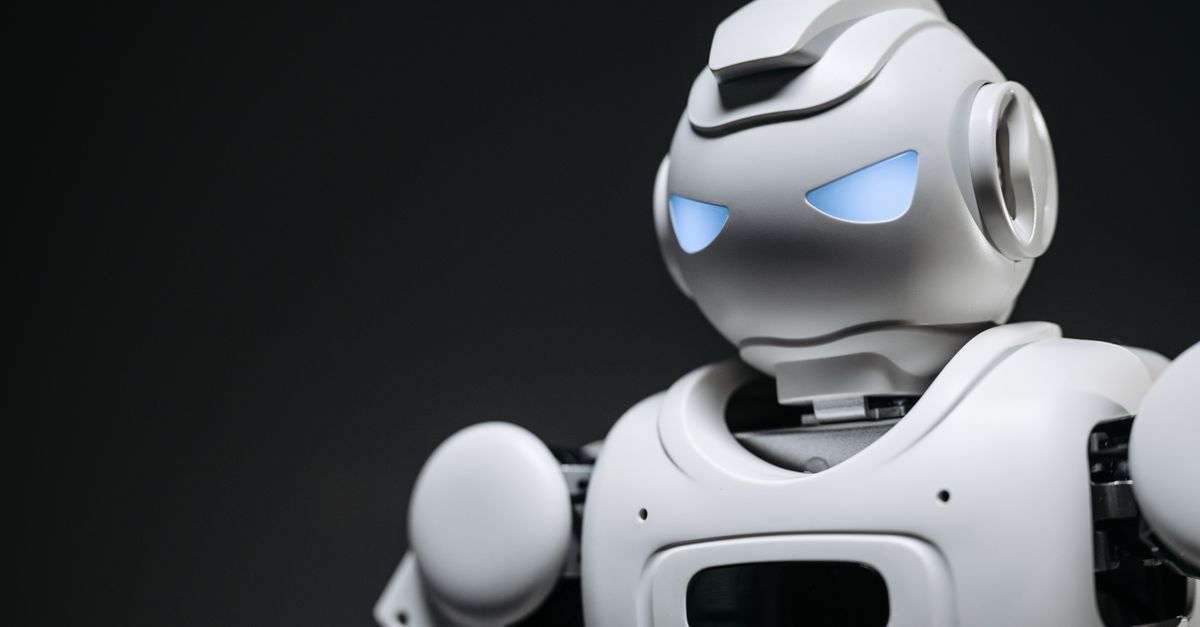
Tesla officially unveiled the second generation of its humanoid robot, Optimus, during a recent presentation event in Hawthorne, California. The new iteration addresses previous limitations in battery life and dexterity, positioning the robot for greater autonomy in industrial environments. This launch marks a pivotal moment in the race to commercialize humanoid robotics, as the company moves from prototype stages to functional utility. The demonstration highlighted the robot's ability to perform repetitive tasks that are often hazardous to human workers.
Enhanced Dexterity and Battery Life
The Optimus Gen 2 features a streamlined chassis design and a more efficient actuator system. Elon Musk stated that the robot can now walk faster and handle delicate objects with greater precision. The new hands boast 27 degrees of freedom, allowing the machine to pick up fragile items without crushing them. The company aims to reduce the manufacturing cost significantly compared to the Gen 1 prototype, targeting a price point under $20,000 for early adopters. Battery life has been extended to support longer shifts in factory settings, potentially reaching up to 10 hours of continuous operation per charge.
India Manufacturing Sector Implications
For India's manufacturing sector, this development is significant. With the government pushing for 'Make in India' in automation, local integrators are eyeing the Optimus for assembly line tasks. Major automotive component suppliers in Pune and Chennai are evaluating the tech. However, import duties and localization challenges remain hurdles. Industry analysts suggest that Indian robotics firms may partner with Tesla to assemble units domestically, leveraging the lower labor costs in the country to create a cost-effective supply chain. The Indian labor market is shifting, and high-volume automation is becoming necessary to compete globally.
Cost Analysis and Market Outlook
While the official price was not finalized, the target of under $20,000 could make it competitive against traditional automation systems in the Indian automotive and textile sectors. In Indian Rupees, this translates to approximately ₹1.66 million, which is still a premium investment for small and medium enterprises (SMEs) looking to automate. This pricing puts it in the range of semi-automated lines rather than full human replacement immediately.
RobotWale will continue to monitor the rollout and potential partnerships with Indian tech giants. The arrival of a functional humanoid at this price point could disrupt the labor-intensive sectors, prompting a shift in how Indian factories approach workforce management and safety protocols. Local players may need to adapt their value propositions to remain competitive against imported AI-driven hardware.
More in Reviews & Opinion