Tesla Unveils Optimus Gen 3 With Enhanced Dexterity, Eyes Indian Manufacturing Pilots - RobotWale News
Tesla Introduces Optimus Gen 3 With Upgraded Dexterity and Lower Production Costs
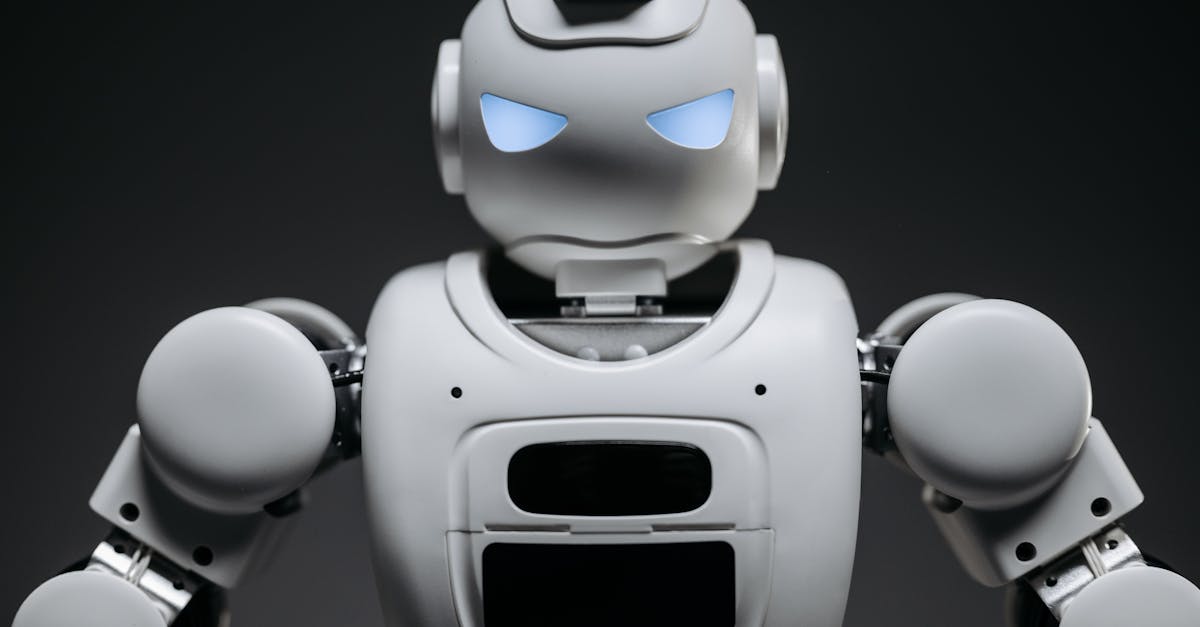
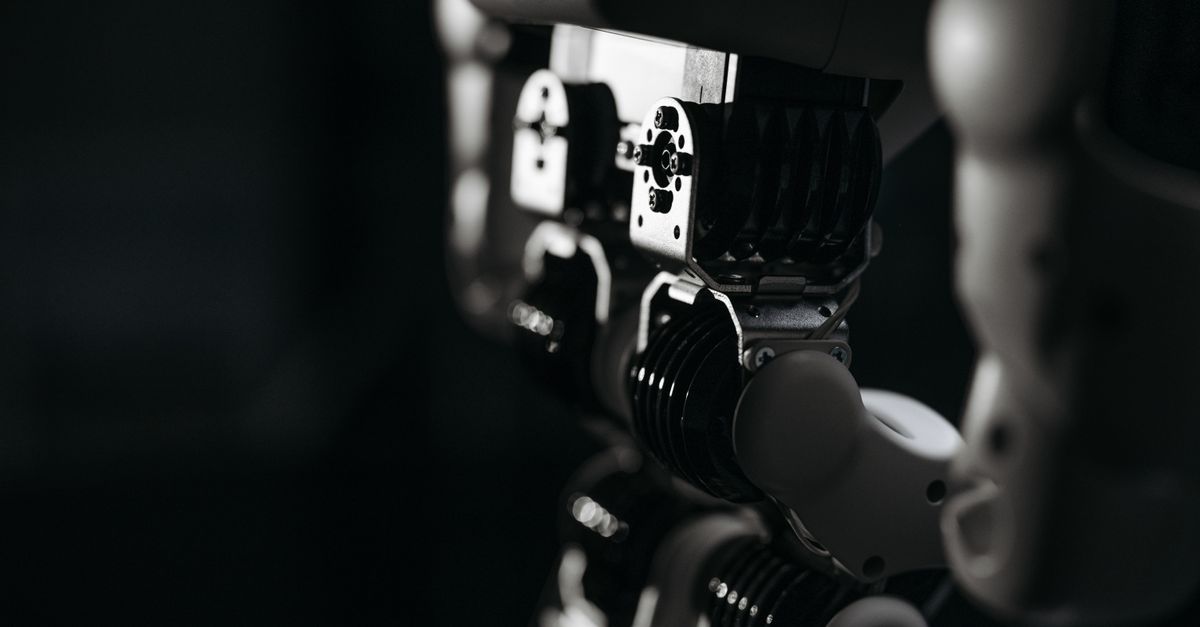
Tesla has officially unveiled the third iteration of its Optimus humanoid robot this week, marking a significant milestone in commercial robotics development. The new model features a redesigned actuator system that enables finer motor control and faster task execution. Engineers have integrated advanced force-feedback sensors in the hands and wrists, allowing the robot to handle delicate components such as electronic circuit boards and fragile automotive glass without damage. The update also includes an upgraded neural processing unit that reduces latency in real-time decision-making, improving navigation in unstructured industrial environments.
India Relevance and Market Pricing
While Tesla has not officially released a final retail price, industry analysts estimate the production cost to have dropped below $20,000 per unit, positioning Optimus Gen 3 as one of the most affordable humanoid platforms in the global market. This cost reduction is drawing immediate attention from Indian manufacturing and logistics firms. Several Tier-1 automotive suppliers in Tamil Nadu and Maharashtra have initiated preliminary discussions with Tesla’s enterprise division to explore pilot deployments in 2025. Indian logistics giants are also evaluating the robot for last-mile warehouse sorting, where labor shortages and rising wage costs have become critical operational bottlenecks.
Industry Adoption and Technical Benchmarks
The Gen 3 platform introduces a modular battery architecture that extends operational runtime to 12 hours on a single charge. Tesla’s software team has also open-sourced key simulation datasets, enabling Indian robotics startups to train custom manipulation models without heavy infrastructure investment. Early benchmark tests show a 40% increase in pick-and-place accuracy and a 25% reduction in power consumption during repetitive assembly tasks. With Indian policy frameworks now fast-tracking robotics imports under the Production-Linked Incentive scheme, domestic assemblers are preparing to establish local integration hubs. The convergence of reduced hardware costs, open software ecosystems, and favorable manufacturing incentives positions India as a strategic ground for humanoid robot deployment in South Asia.
More in Reviews & Opinion