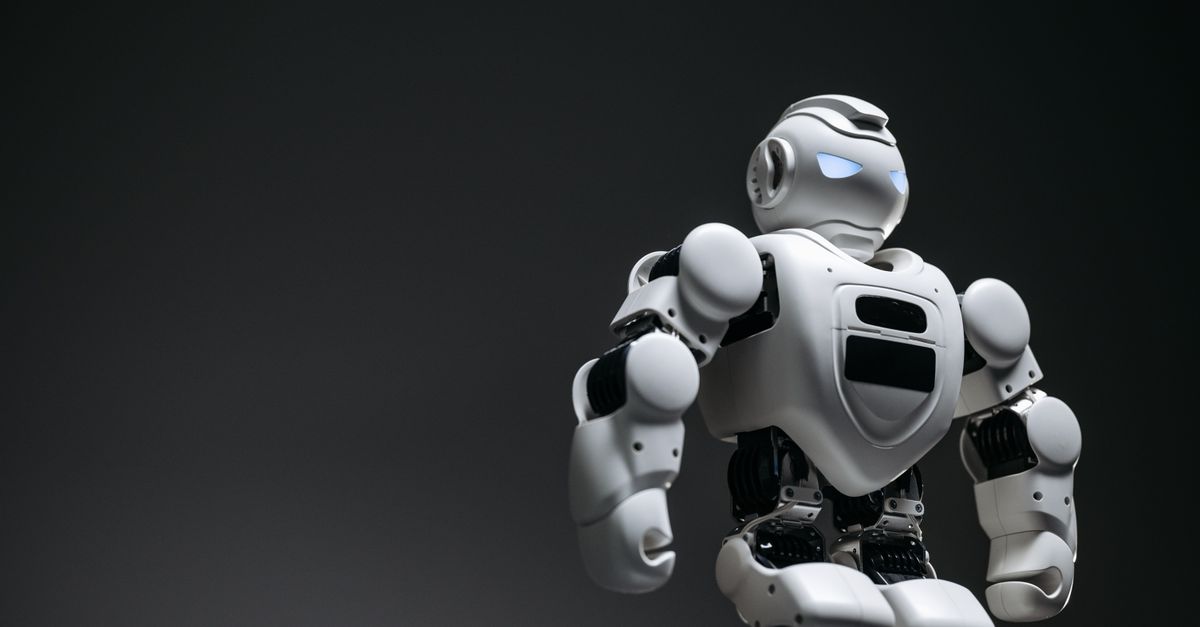
1X NEO: A Soft-Bodied Approach to Household Automation

The Shift from Spectacle to Utility
The humanoid robotics sector has moved past the era of purely academic demonstrations. Commercial viability now dictates hardware availability and pilot deployments over renderings. The 1X NEO, developed by 1X Technologies based in Norway, represents a specific niche within this landscape: a soft-bodied humanoid designed for household work. Unlike competitors focusing on rigid industrial durability, the NEO prioritizes compliance and safety in unstructured living environments. This review assesses the robot’s claims against available evidence, deployment status, and potential availability in the Indian market.
Design Philosophy and Soft-Bodied Architecture
The primary distinction of the 1X NEO lies in its mechanical architecture. Traditional humanoids rely on rigid actuators that can cause injury in close proximity to humans. 1X Technologies has implemented a hybrid actuation system. This involves soft materials in the limbs to absorb impact, combined with rigid structural elements for load-bearing. The robot features over 40 degrees of freedom, allowing for complex manipulation tasks. The soft exoskeleton design aims to mitigate the risk of damage to property and the operator.
Technical specifications released by the manufacturer indicate a height of approximately 1.7 meters. The arm range of motion is designed to mimic human reach, with torque limits set to prevent excessive force during interaction. The legs utilize a compliant actuation system that allows for energy-efficient walking. This is critical for battery life in residential settings where charging infrastructure may be limited.
Manufacturing details suggest the use of additive manufacturing for certain structural components. This allows for rapid iteration of the soft body segments. However, the durability of these soft materials in high-traffic environments remains a key performance indicator for future pilots. The company claims the structure can withstand minor collisions without structural failure, a significant departure from traditional metal chassis designs.
Autonomy and Software Stack
1X Technologies relies on a proprietary autonomy stack. The robot is designed to navigate open environments using visual data and sensor fusion. The software includes capabilities for object recognition, path planning, and manipulation. The company has demonstrated the NEO climbing stairs and handling household items in controlled settings. However, fully autonomous operation in a typical Indian home remains an unproven variable due to infrastructure differences.
The navigation system utilizes LiDAR and depth cameras to map the environment in real-time. This allows the robot to avoid dynamic obstacles, such as moving people or pets. The learning model is trained on simulation data before transfer to the physical hardware. This sim-to-real gap is a known challenge in the industry. The NEO is intended to operate without constant human supervision, but safety cutoffs are embedded in the software architecture.
Manipulation capabilities focus on common household objects. The hands are equipped with tactile sensors to detect grip force. This prevents crushing fragile items like glass or ceramic. The system logs interactions for remote monitoring by operators. This feature allows for human-in-the-loop intervention if the robot encounters an ambiguous situation. The goal is to achieve Level 4 autonomy in specific domains, such as cleaning or fetching items.
Safety Standards and Protocols
Safety is the core differentiator for the 1X NEO. The robot adheres to emerging ISO standards for collaborative robots. These standards define force limits and speed constraints for interaction zones. The soft body design inherently supports these requirements by reducing the kinetic energy of the limbs.
Emergency stop mechanisms are physically hardwired into the control system. If the battery voltage drops below a threshold, the robot locks its joints. This prevents unintended movement during power loss. The chassis includes sensors that detect contact with humans and immediately reduce motor torque. This is a critical requirement for deployment in residential spaces where children or pets may be present.
Regulatory compliance is a prerequisite for commercial shipping. The manufacturer must certify the device meets electrical safety standards in the destination country. In Europe, this involves CE certification. For India, the certification process involves Bureau of Indian Standards (BIS) compliance for electronics. Until these certifications are public, the robot cannot be legally imported for commercial use.
Commercial Status and Pilots
As of early 2024, the NEO is not available for general consumer purchase. Shipping hardware is prioritized for pilot programs with enterprise partners. The company has announced deliveries to select beta customers. This stage of deployment limits the availability of real-world reliability data. Claims regarding long-term durability remain theoretical until field data is published.
The deployment model suggests a lease or service-based approach rather than a direct sale. This aligns with the high cost of maintenance for soft-bodied actuators. Customers receive software updates remotely to improve performance. The hardware is expected to require periodic servicing to replace wear-prone soft components. This operational model requires a strong support infrastructure in the target market.
Third-party verification is limited. Independent reviewers have not yet published comprehensive teardowns. The manufacturer has released video footage of the robot performing tasks. While these videos demonstrate capability, they do not confirm the reliability of the system over months of operation. Buyers should note that pilot deployments often involve customized configurations that differ from the standard unit.
India Market Context and Pricing
For the Indian market, the NEO is currently positioned as a B2B offering. There is no official pricing announcement. Estimates based on similar class robotics suggest a landed cost between $150,000 and $200,000. Import duties in India could further increase this cost. The focus for Indian adoption will likely be high-end residential care or luxury hospitality rather than mass adoption.
The logistics of importing humanoid robots into India involve complex regulations. The Department of Electronics and Information Technology (DeitY) has not yet released specific guidelines for humanoid imports. This creates uncertainty for importers regarding customs clearance. Additionally, the need for specialized technicians to maintain soft actuators may require training programs in major cities like Bangalore or Mumbai.
Taxation on high-value electronics is a significant factor. Basic Customs Duty (BCD) and Integrated Goods and Services Tax (IGST) apply to imported robotics. Estimates suggest the final landed cost in INR could exceed ₹1.8 Crores. This pricing excludes the cost of installation and ongoing service contracts. For most Indian households, this remains out of reach. Potential early adopters are likely limited to high-net-worth individuals or corporate facilities.
Infrastructure readiness is another constraint. Many Indian homes have limited electrical outlets and uneven flooring. The NEO is designed for relatively smooth surfaces. Modifications to the home environment may be necessary to ensure safe navigation. This adds to the total cost of ownership. The robot’s battery life must be sufficient to handle daily tasks without frequent recharging.
Competitive Landscape
The 1X NEO competes in a crowded field of humanoid developers. Competitors include Tesla Optimus, Apptronik Apollo, and Figure AI. Each competitor prioritizes different aspects of the value chain. Tesla focuses on vertical integration and cost reduction. Figure AI focuses on general-purpose manipulation. 1X Technologies focuses on safety and soft-body interaction.
Tesla Optimus claims a target price under $20,000. This pricing is aggressive and has not been validated by shipping hardware. The 1X NEO is positioned at a higher price point due to the complexity of its soft actuators. The market segment for household robotics is currently fragmented. No single vendor dominates the residential sector.
The regulatory environment varies by country. In the US, the FDA does not regulate most robotics. In the EU, medical devices require strict certification. India remains in a transitional phase regarding robotics regulation. This ambiguity affects the speed of commercial adoption. Companies must navigate a patchwork of local laws.
Conclusion
The 1X NEO represents a significant step towards safe human-robot interaction. However, buyers must treat early claims with caution. Shipping hardware and pilot deployments provide a clearer picture than announcements. For India, the timeline for mass availability remains uncertain. The focus on soft-bodied design addresses safety concerns, but the cost and infrastructure requirements limit immediate adoption.
Investors and partners should monitor pilot deployments for reliability data. Independent testing is necessary to validate autonomy claims. Until then, the NEO remains a high-potential but unproven commercial product. The Indian market will likely see limited initial deployments in controlled environments.
References
- 1X Technologies Official Website - Product Specifications
- TechCrunch Coverage on 1X NEO Launch
- Bureau of Indian Standards (BIS) - Electronics Certification Guidelines
- Independent Industry Reports on Humanoid Robotics Deployment
✓ Key takeaways
- •Hands-on view of 1X NEO: A Soft-Bodied Approach to Household Automation inside our 1X NEO library.
- •Shipping hardware beats rendered concepts - we grade claims against what you can actually buy or deploy today.
- •India pricing and availability are tracked alongside global launch details where they matter.
References
Related articles
More in 1X NEO →