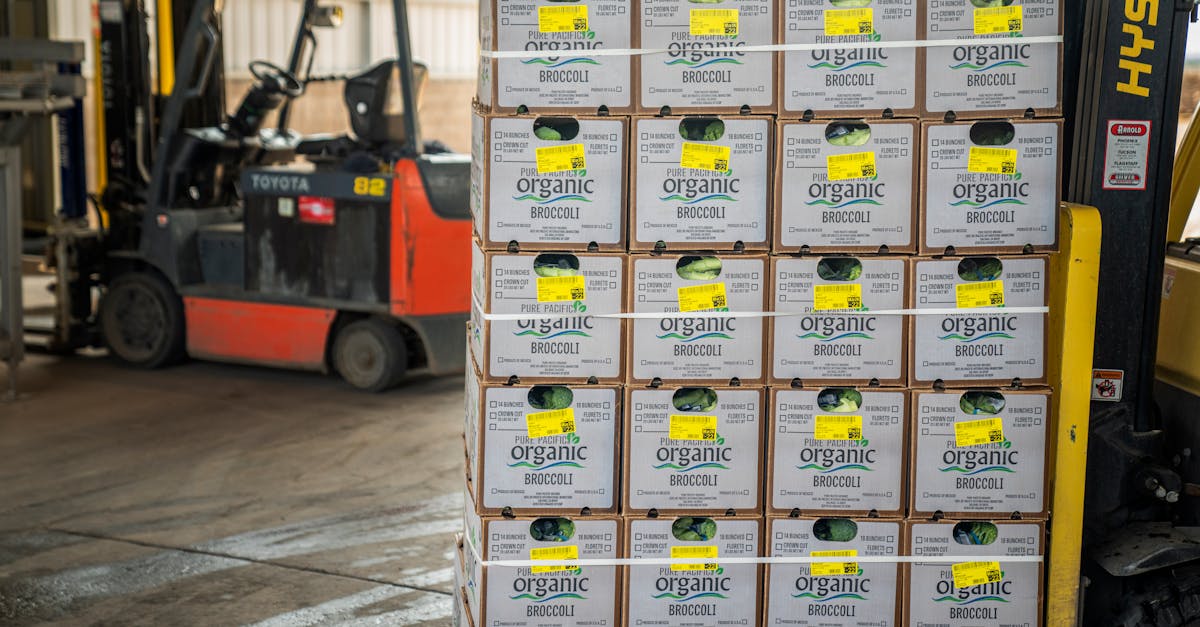
Case & Piece Picking: Shipping Reality vs. Marketing Hype
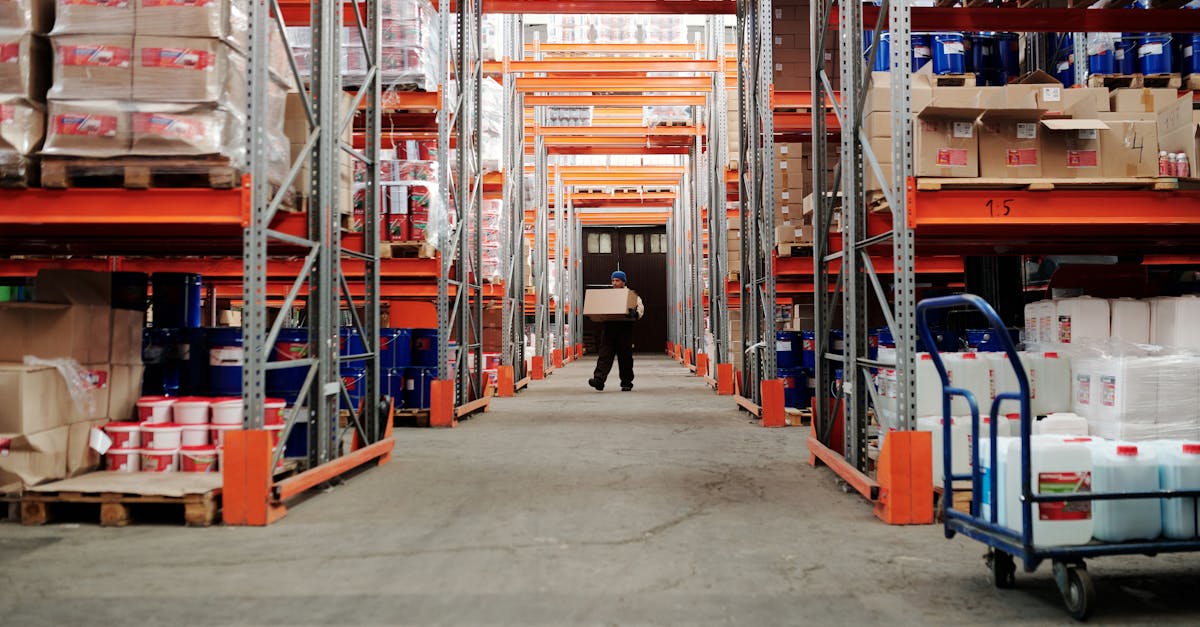
The State of Automated Picking in Warehouse Logistics
Case and piece picking remains the most labor-intensive task in warehouse logistics. While marketing materials often depict seamless robotic arms lifting boxes from infinity to infinity, the reality involves complex vision systems, gripper mechanics, and integration with existing Warehouse Management Systems (WMS). This article grades available solutions by shipping hardware, pilot deployments, and public announcements. The industry has moved past the concept phase for some players, but widespread adoption in emerging markets like India remains constrained by capital expenditure and infrastructure readiness.
Covariant: The AI Visionary
Covariant represents a shift from hard-coded programming to machine learning-based manipulation. Their Action Platform is not merely a research project; it is shipping hardware designed for general-purpose picking. Unlike traditional robots that require precise bin placement to function, Covariant systems utilize cameras to identify objects in unstructured environments. This reduces the need for custom tooling on the conveyor lines.
Regarding deployment status, Covariant has moved beyond the pilot phase. They have deployed systems for major retailers and logistics providers. Their approach focuses on the 'Action Model', which allows robots to generalize across different product shapes and packaging. This is a significant step forward for piece picking, where SKU variety is high.
However, the cost remains a barrier. Covariant does not publish a standard unit price, but industry estimates for robotic arms with AI integration typically range from $50,000 to $150,000 per unit excluding installation. In India, this landed cost would likely exceed ₹60 lakhs per cell due to import duties and integration fees. While the technology is viable, the ROI depends heavily on labor arbitrage reduction in high-cost cities like Mumbai or Bangalore.
Symbotic: The Integrated Giant
Symbotic has secured one of the most significant partnerships in recent automation history: a multi-year deal with Amazon. Symbotic's system is not a single arm but an ecosystem of mobile manipulation units and storage infrastructure. They deploy a grid-based system where robots move to the inventory, rather than inventory moving to the robots.
This approach has seen large-scale deployment in the United States. Symbotic claims to have completed over 100 deployments globally, primarily in North America and Europe. Their ability to handle cases and pieces within the same facility without line changes is a key selling point. The system automates the entire flow from receiving to shipping.
For India, the Symbotic model presents a significant infrastructure challenge. The system requires a dedicated facility with specific floor load-bearing capacities and high-speed Wi-Fi infrastructure. While the hardware is shipping and the pilots are transitioning to full operations, the CAPEX is prohibitive for mid-sized Indian warehouses. A full Symbotic installation can run into tens of millions of dollars. This limits its immediate relevance to large conglomerates planning greenfield fulfillment centers.
Traditional Pick-and-Place: The Workhorse
Beyond the AI-heavy solutions, traditional pick-and-place robots remain the backbone of the industry. These systems use SCARA or 6-axis arms equipped with specific end-effectors for known objects. They are less flexible than Covariant but significantly cheaper to deploy and maintain.
These robots are ideal for high-volume, low-SKU environments. For example, a single SKU of bottled water can be picked at high speeds using a traditional gripper. In India, this technology is already available through integrators like ABB and Fanuc. The pricing is more transparent, often ranging from ₹25 lakhs to ₹50 lakhs per arm including safety fencing.
The limitation is rigidity. If the box shape changes, the robot often requires reprogramming or a new gripper. For the Indian market, where SKU proliferation is increasing rapidly, this creates a maintenance bottleneck. However, for established e-commerce fulfillment centers, traditional pick-and-place offers a reliable path to automation without the 'black box' risks of AI.
India Market Feasibility & Pricing
Availability in India is the critical differentiator. Covariant and Symbotic do not have official country offices in India listed on their primary websites as of early 2024. This means deployments must be handled through global partners or local system integrators. The 'landed cost' includes import duties (typically 10-15% for robotics), GST (18%), and localization for Indian power grids and warehouse conditions.
For a typical case-picking cell in India, the estimated total cost of ownership (TCO) over five years is crucial. A hybrid approach is emerging: using traditional robots for the high-volume core and AI systems for the long-tail SKUs. However, the upfront CAPEX is the primary blocker. A fully automated warehouse capable of replacing a large manual workforce can cost ₹10 to ₹20 crores.
Furthermore, labor availability in India is still relatively cheap compared to the US or Europe. A warehouse in Tier-2 cities may not see the ROI for a ₹1 crore robotic system unless labor costs rise or regulatory pressure increases. This suggests that for the next 3 to 5 years, the adoption curve in India will be slow and concentrated in large e-commerce players.
Conclusion
The technology for case and piece picking is ready, but the economics are not fully solved for the mass market. Covariant and Symbotic offer shipping hardware and proven pilots, but their pricing structures place them out of reach for most Indian SMEs. Traditional pick-and-place remains the pragmatic choice for now. As component costs drop and local manufacturing ramps up, the gap between concept and deployment will narrow. Until then, buyers must prioritize hardware availability over marketing hype.
References
✓ Key takeaways
- •Hands-on view of Case & Piece Picking: Shipping Reality vs. Marketing Hype inside our Case & Piece Picking library.
- •Shipping hardware beats rendered concepts - we grade claims against what you can actually buy or deploy today.
- •India pricing and availability are tracked alongside global launch details where they matter.
References
Related articles
More in Case & Piece Picking →