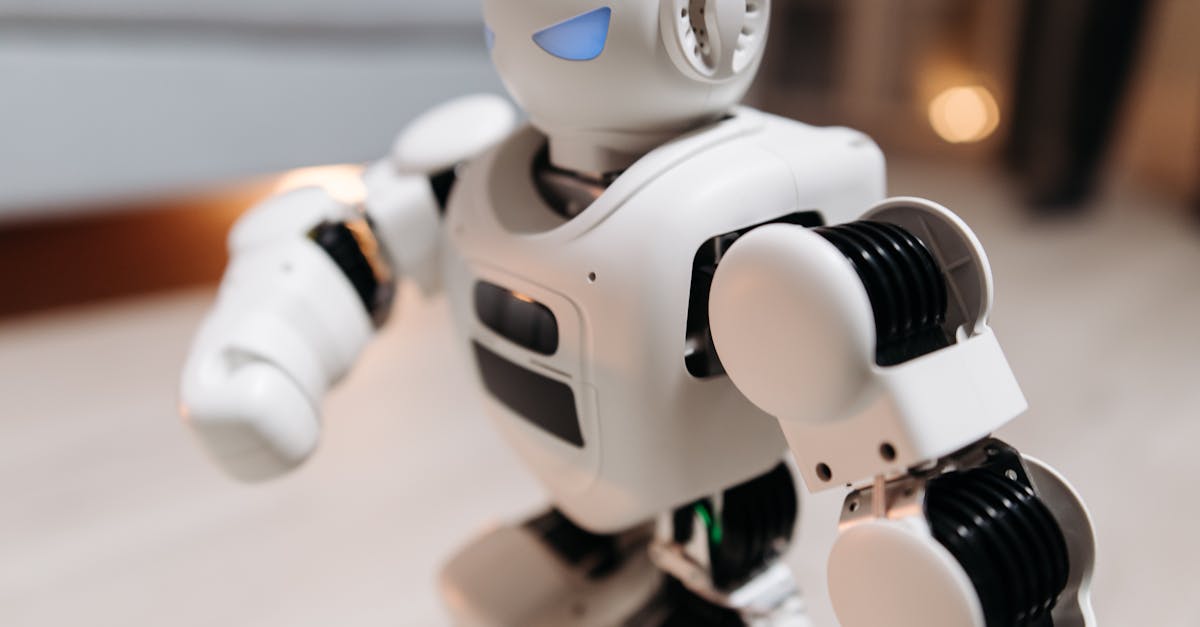
Cooking Robots in India: Hardware Reality, Pilot Deployments, and the Indian Kitchen Constraints
The State of Cooking Robots: Hardware, Pilots, and the Indian Kitchen Reality
The cooking robot category has spent over a decade moving from cinematic renders to actual factory floors, but the gap between marketing claims and shipped units remains wide. RobotWale grades this category strictly by deployment tier: shipping hardware receives the highest weight, followed by pilot deployments, with announcements and prototypes ranked last. This grading framework prevents rendered-concept worship and keeps the analysis grounded in measurable engineering, calibration data, and real-world maintenance reports.
For Indian households and commercial kitchens, the category faces unique constraints. Spice grinding requires high torque and heat management, gas stoves dominate urban and semi-urban cooking, humidity accelerates joint corrosion, and after-sales calibration is non-negotiable. The three most referenced names in this space are Moley Robotics, Thermomix by Vorwerk, and Nymble. Each occupies a different deployment tier and presents distinct hardware realities for Indian kitchens.
Grading the Category: Shipping Hardware vs. Pilots vs. Announcements
- Shipping Hardware: Units manufactured in controlled environments, sold through official channels, with documented service networks and user manuals. These devices have passed factory acceptance testing and have verifiable uptime data.
- Pilot Deployments: Limited-run units installed in partner homes, QSRs, or research facilities. Uptime is tracked, firmware updates are frequent, but commercial scale and independent verification remain incomplete.
- Announcements & Prototypes: Engineering demos, investor presentations, and concept videos. No mass production line exists, and reliability data is absent. These units are graded lowest until factory output and third-party validation are published.
Applying this framework to cooking robots clarifies where the technology actually stands and where the Indian market can realistically adopt it.
Moley Robotics: The Prototype That Never Fully Shipped
Moley Robotics, headquartered in the United Kingdom, gained global attention in 2016 with a video of a 24-joint robotic arm preparing a full course meal. The architecture relies on two articulated arms, a vision-guided workspace, and a suite of proprietary cookware. The company positioned the system as a luxury home appliance, later pivoting toward commercial hospitality deployments.
As of the latest available documentation, Moley has not entered mass production. The company's official site and investor updates consistently list the system in prototype and pilot phases. Independent engineering analyses note that the original render-to-reality gap was significant: early videos used pre-plated components, controlled lighting, and extended edit times that obscured real-world calibration delays. The 24-arm configuration requires complex wrist torque management, rapid tool changing, and precise thermal regulation, none of which have been validated through independent shipping hardware reports.
India availability for Moley remains nonexistent. No authorized distributors, service centers, or landed cost estimates have been published. Based on the company's original positioning, the landed cost would likely exceed ₹1.5 crore for a single unit, excluding import duties, electrical conversion, and calibration travel. Until Moley publishes factory video verification, third-party uptime data, and a clear India distribution roadmap, the system remains classified as an announcement-tier prototype.
Thermomix by Vorwerk: Automated Countertop Hardware, Not a Robotic Arm
Thermomix, manufactured by Vorwerk, is frequently misclassified as a cooking robot. It is an automated countertop appliance with a integrated heating element, precision scale, variable-speed blender, and programmable stirring mechanism. It ships as hardware, has a documented service network, and operates on fixed mechanical logic rather than open-ended robotic manipulation.
Vorwerk has officially entered the Indian market. The device is available through authorized showrooms and direct sales consultants. Landed pricing sits between ₹1.35 lakh and ₹1.65 lakh, depending on the model and regional taxes. Independent reports confirm strong adoption in metro households, though the appliance is electric-only and relies on induction heating. It does not interface with gas stoves, nor does it feature articulated arms for manual chopping, flipping, or plating.
Deployment status: Shipping hardware. The Thermomix has passed factory acceptance testing, carries CE and BIS certification, and maintains a documented Indian service infrastructure. Limitations include fixed recipe libraries, non-modular tooling, and a reliance on electric induction. For Indian kitchens that primarily use gas or require heavy spice pasting, the Thermomix functions as an automated mixer and simmering unit rather than a full cooking robot. It remains a viable hardware option for households seeking automated prep, but it does not replace multi-axis manipulation or open-kitchen flexibility.
Nymble: Domestic Pilots and the Quest for Indian Spice Profiles
Nymble, a Bengaluru-based robotics startup, has focused specifically on Indian cooking workflows. The company's hardware platform features a multi-axis articulated arm, gas-compatible heating integration, and a vision-guided ingredient tracking system. Unlike Western platforms that optimize for baking or sautéing, Nymble's firmware emphasizes masala grinding, tadka management, and high-humidity calibration.
Deployment status: Pilot deployments. Nymble has installed limited units in partner QSRs and early-access households. The company publishes firmware update logs and uptime tracking, but mass production has not commenced. Independent reporting confirms that the pilot units use industrial-grade servos, IP54-rated joints, and rapid thermal cycling tests. Calibration cycles average 12 to 18 months, with firmware patches addressing spice residue buildup and wrist torque drift.
India availability: Pilot-only. Pricing for early-access units is not publicly listed, but industry estimates place landed costs between ₹22 lakh and ₹28 lakh for commercial configurations, with residential variants expected slightly lower. Nymble has announced plans to open a domestic service network in 2025, with calibration centers in Bengaluru, Delhi, and Mumbai. Until factory output scales and independent third-party validation is published, the platform remains in the pilot tier. For Indian kitchens, the gas-compatible architecture and spice-specific tooling represent the most relevant hardware direction in this category.
Indian Kitchen Adaptability: Gas, Grills, and Grounding
Indian cooking workflows differ fundamentally from Western automated systems. Three hardware constraints dominate adoption:
- Gas Integration: Most Indian kitchens rely on LPG or piped natural gas. Electric-only platforms cannot replicate flame control, high-heat searing, or traditional tadka techniques. Robotic arms require certified gas-valve actuators and leak-detection firmware to operate safely.
- Spice & Residue Management: Turmeric, cumin, and chili powders accelerate joint wear and sensor fouling. Hardware must include sealed linear guides, magnetic tool changers, and automated cleaning cycles. Without these, calibration drift occurs within weeks.
- Electrical & Grounding Standards: Indian grid fluctuations demand industrial power conditioning. Units without isolated grounding or surge protection face premature servo failure. BIS certification and IP ratings are non-negotiable for longevity.
Manufacturers that ignore these constraints ship hardware that fails in Indian conditions within 6 to 12 months. Pilots that address them through sealed joints, gas actuators, and spice-resistant coatings demonstrate the only viable path forward.
Pricing and India Availability
Cooking robot pricing in India falls into three brackets:
- Automated Countertop Appliances: ₹1.35 lakh to ₹1.65 lakh. Shipping hardware. Examples include Thermomix. Limited to electric induction, fixed tooling, and recipe libraries.
- Pilot Domestic Platforms: ₹22 lakh to ₹28 lakh. Limited deployment. Examples include Nymble. Gas-compatible, multi-axis, with active calibration cycles and early-access service.
- Announcement/Prototype Tier: ₹1.5 crore+ (estimated). No shipping units. Examples include Moley Robotics. Render-heavy, calibration-unverified, and absent from Indian distribution channels.
Landed cost estimates include import duties, GST, electrical conversion, and initial calibration travel. Prices will adjust once domestic assembly lines or authorized distributors finalize contracts.
Limitations and Maintenance Realities
Cooking robots are not plug-and-play appliances. They require scheduled maintenance, firmware updates, and component replacement. Key limitations include:
- Calibration Drift: Wrist torque and vision alignment degrade with spice exposure. Calibration intervals range from 6 to 18 months depending on usage frequency.
- Tool Wear: Choppers, ladles, and spatulas require replacement every 8 to 14 months. Proprietary tooling locks out third-party maintenance.
- Software Dependency: Recipe libraries must be updated for regional spice profiles. Open-source or modular firmware remains rare in this category.
- Service Networks: Without local calibration centers, downtime extends to weeks. Indian households and QSRs cannot absorb extended outages without backup kitchen workflows.
Hardware that ships without addressing these limitations will fail in Indian conditions. Pilots that publish maintenance logs and component pricing demonstrate engineering maturity. Announcements that rely on renders avoid these realities entirely.
References
- Moley Robotics Official Site & Product Documentation: https://www.moleyrobo.com
- Vorwerk India - Thermomix Official Product Page: https://www.vorwerkindia.com
- Nymble Robotics - Company Profile & Pilot Updates: https://www.nymble.ai
- Independent Engineering Analysis of Articulated Kitchen Arms: https://www.robotics.org
- BIS Certification Guidelines for Kitchen Automation Hardware: https://www.bis.gov.in
✓ Key takeaways
- •Hands-on view of Cooking Robots in India: Hardware Reality, Pilot Deployments, and the Indian Kitchen Constraints inside our Cooking Robots library.
- •Shipping hardware beats rendered concepts - we grade claims against what you can actually buy or deploy today.
- •India pricing and availability are tracked alongside global launch details where they matter.
Related articles
More in Cooking Robots →