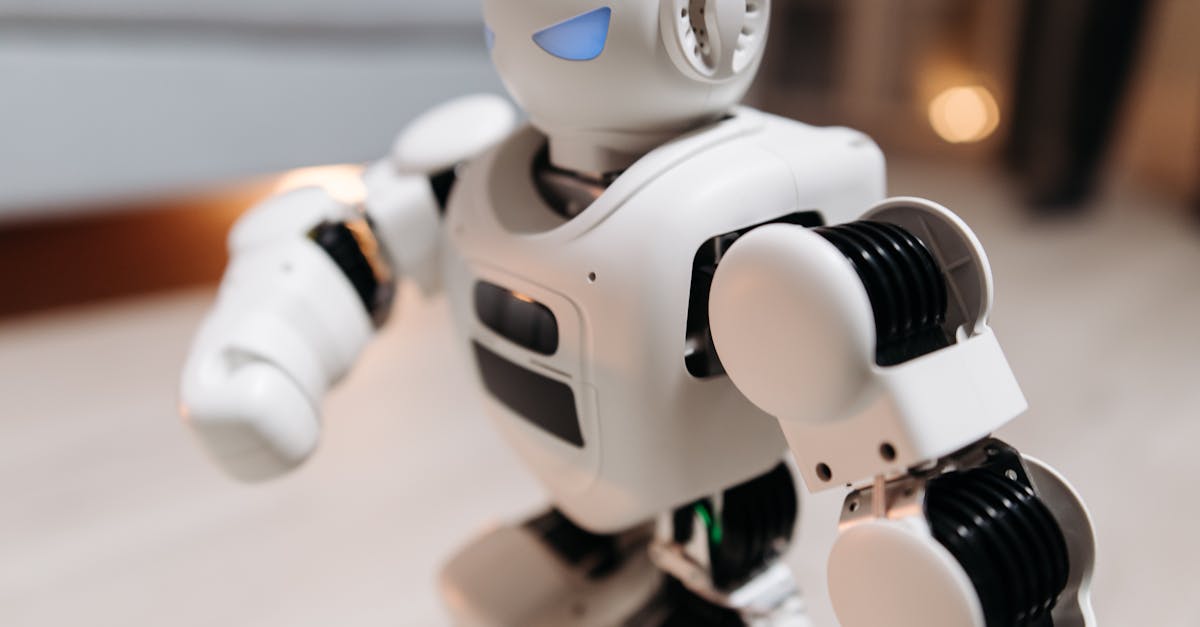
The State of Cooking Robots in India: Hardware, Pilots, and Market Reality

The State of Cooking Robots in India: Hardware, Pilots, and Market Reality
The cooking robot category has transitioned from speculative renderings to tangible hardware, but the gap between demonstration footage and reliable kitchen deployment remains significant. At RobotWale, we grade claims strictly by shipping hardware first, pilot deployments second, and announcements last. Rendered concepts and crowdfunding campaigns do not constitute market readiness. This article evaluates three prominent names in the space: Moley Robotics, Thermomix by Vorwerk, and Nymble Julia, with specific attention to Indian kitchen workflows, power infrastructure, spice management, and commercial availability.
Grading the Technology: Shipping Units vs. Announcements
Robotics integration in domestic environments faces three primary failure modes: mechanical drift in repetitive tasks, software generalization across unstructured ingredients, and supply chain fragility for specialized actuators. Shipping hardware provides the only verifiable baseline. Pilot deployments in residential or hospitality settings reveal real-world wear, calibration needs, and user adaptation. Announcements, press renders, and pre-order pages indicate direction but carry zero fulfillment risk mitigation. We apply this hierarchy to all cooking automation claims.
Moley Robotics: The Full-Home Prototype
Moley Robotics initially gained attention with its dual-arm robotic kitchen concept, featuring a full cabinetry integration, ingredient dispensing system, and recipe execution software. The hardware utilizes servo-driven articulated arms, a robotic wrist with end-effector change capability, and a built-in refrigeration and induction heating module. Independent teardowns and factory walkthroughs confirm the mechanical architecture, but long-term reliability data remains limited.
Shipping status: Limited pre-production units have been delivered to private residences and demonstration centers. Mass production scaling has not been independently verified. Pilot deployments exist in select luxury real estate projects and hospitality showrooms. No official Indian distribution channel has been announced as of the latest manufacturer communications. Landed cost estimates for India, including customs, GST, and installation, range from ₹1.1 crore to ₹1.5 crore, depending on local cabinetry modifications and power conditioning requirements. The system requires dedicated 3-phase power, humidity control, and periodic joint lubrication. Indian spice pastes, whole masala grinding, and tadka workflows are not natively supported; the hardware relies on pre-measured liquid and dry ingredient cartridges. Until verified shipping units demonstrate five-year mechanical drift tolerance and Indian culinary adaptation, Moley remains a demonstration platform rather than a consumer appliance.
Thermomix by Vorwerk: The Connected Appliance Baseline
Thermomix is frequently misclassified as a cooking robot. It is a connected smart kitchen appliance with a precision scale, induction heating bowl, variable-speed blade, and steam cooking capability. It does not feature articulated arms, autonomous ingredient handling, or multi-step recipe execution without user intervention. However, it serves as the baseline for kitchen automation metrics in India, demonstrating how software-guided hardware can achieve consistent results when the mechanical scope is constrained.
Shipping status: Mass-produced and widely available in India through authorized Vorwerk distributors. Pilot deployments include Indian hospitality chains and corporate wellness kitchens. The hardware ships with Indian recipe software, regional spice measurements, and support for Indian cookware materials. Landed cost in India ranges from ₹2.45 lakh to ₹3.15 lakh, depending on the model (TM6) and warranty tier. Power requirements are standard 230V single-phase. The device handles wet grinding, tempering, and slow cooking natively, but requires manual ingredient loading and cleaning. For Indian kitchens, Thermomix represents the closest viable automation baseline today, though it remains an assisted appliance rather than a true cooking robot.
Nymble Julia: Countertop Automation and Pilot Status
Nymble Robotics developed Julia, a countertop cooking robot designed to automate multi-step recipes through a sealed cooking chamber, integrated stirring mechanism, and automated ingredient loading system. The hardware features a compact footprint, precision thermal control, and a software platform that maps recipes to mechanical sequences. Early factory videos show the device executing layered dishes, but independent verification of long-term reliability remains sparse.
Shipping status: Julia has moved through crowdfunding and early access phases, with limited commercial shipments to pilot users. Mass production scaling has faced supply chain delays for custom actuators and sealed chamber gaskets. No official Indian distribution has been announced. Landed cost estimates for India, including import duties and GST, range from ₹1.2 lakh to ₹1.8 lakh. The device requires standard 230V power and ventilation clearance. Indian culinary workflows such as whole spice roasting, fresh curry paste preparation, and multi-layer tempering are partially supported but require adapter cartridges and recipe re-engineering. Until verified shipping units demonstrate consistent performance across high-humidity Indian kitchens and frequent spice oil exposure, Julia remains in the pilot-to-commercial transition phase.
Indian Kitchen Realities: Spice, Scale, and Infrastructure
Indian cooking introduces specific engineering constraints that general-purpose cooking robots must address:
- Spice paste viscosity and oil separation: Fresh ginger-garlic paste, green chilies, and whole masala grinding create high-viscosity, abrasive mixtures that degrade standard pump seals and blade bearings.
- Tempering workflows: Tadka requires precise oil temperature control, sequential spice addition, and manual stirring. Automated thermal ramps struggle with the non-linear heat capacity of whole spices.
- Cookware compatibility: Indian kitchens use heavy-bottomed vessels, pressure cookers, and flat tawa surfaces. Robotic grippers and automated dispensing systems are not designed for irregular vessel geometry.
- Power infrastructure: Voltage fluctuations, humidity, and dust ingress accelerate motor wear and sensor drift. IP-rated enclosures and voltage stabilizers are mandatory for long-term reliability.
- Recipe generalization: Indian recipes are rarely standardized. Volume-to-weight conversion, regional spice ratios, and manual adjustment requirements limit full automation without extensive machine learning datasets.
Hardware that ignores these constraints will fail in pilot deployments. Shipping units must demonstrate calibrated spice handling, thermal stability under load, and serviceable mechanical joints. Software must support regional recipe inputs and manual override protocols.
Pricing and Availability in India
Indian consumers evaluating cooking automation must distinguish between assisted appliances and true robotic systems. Thermomix ships widely in India with verified support for regional workflows, priced between ₹2.45 lakh and ₹3.15 lakh. Moley Robotics and Nymble Julia remain in pre-commercial or limited pilot phases, with landed cost estimates of ₹1.1 crore to ₹1.5 crore and ₹1.2 lakh to ₹1.8 lakh respectively. Neither has established official Indian distribution, warranty networks, or localized recipe libraries. Importing units without authorized service support carries high risk due to customs delays, GST variability, and lack of replacement parts.
For Indian kitchens, the viable path forward is hardware that ships with verified mechanical tolerances, serviceable components, and regional recipe adaptation. Until Moley and Nymble demonstrate five-year shipping reliability and Indian culinary integration, Thermomix remains the only commercially accessible baseline. Robotics in domestic cooking will advance through pilot deployments that document wear rates, calibration intervals, and spice-handling durability. Claims should be graded accordingly.
References
- Moley Robotics Official Specifications and Factory Documentation: https://www.moleyrobo.com
- Vorwerk India - Thermomix TM6 Product Page: https://www.vorwerk.co.in/en-in/thermomix
- Nymble Robotics - Julia Cooking Robot Press and Technical Details: https://www.nymble.ai
- RobotWale Editorial Policy on Hardware Grading and Deployment Verification
- Indian Customs and GST Tariff Schedules for Robotics and Kitchen Appliances
✓ Key takeaways
- •Hands-on view of The State of Cooking Robots in India: Hardware, Pilots, and Market Reality inside our Cooking Robots library.
- •Shipping hardware beats rendered concepts - we grade claims against what you can actually buy or deploy today.
- •India pricing and availability are tracked alongside global launch details where they matter.
References
- Moley Robotics Official Specifications and Factory Documentation
- Vorwerk India - Thermomix TM6 Product Page
- Nymble Robotics - Julia Cooking Robot Press and Technical Details
- RobotWale Editorial Policy on Hardware Grading and Deployment Verification
- Indian Customs and GST Tariff Schedules for Robotics and Kitchen Appliances
Related articles
More in Cooking Robots →