
The Grasp Reality: Analyzing Shadow, Allegro, and Inspire in the Race for Dexterous Hands
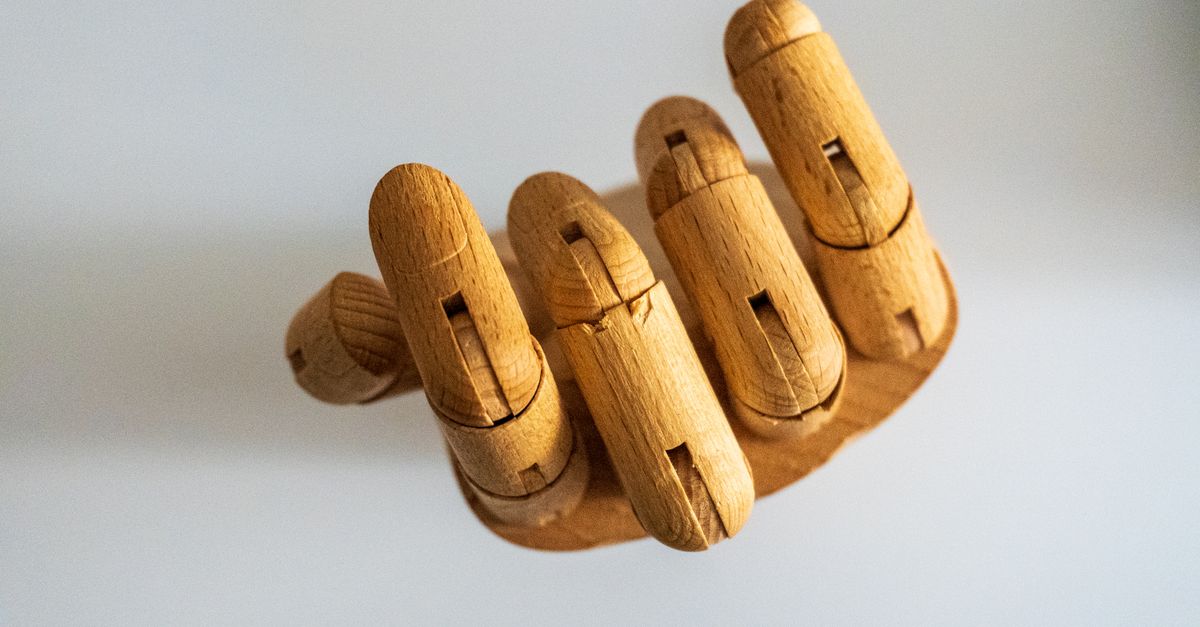
The Hardware Reality Check
In the pursuit of general-purpose robotics, the hand remains the hardest problem to solve. While legs and balance have seen significant strides in hardware deployment, dexterous manipulation lags behind due to complexity and cost. For RobotWale, we grade claims by shipping hardware first, pilot deployments second, and announcements last. This article examines three distinct approaches to five-finger dexterity: Shadow Robotics, the Allegro Hand architecture, and the emerging entrant Inspire Robotics.
The transition from parallel grippers to anthropomorphic hands requires a shift in actuation density, control algorithms, and material durability. Most humanoid robots currently utilize parallel grippers for safety and payload efficiency. However, for tasks requiring tool use, assembly, or delicate manipulation, the dexterous hand is non-negotiable. The following analysis focuses on the tangible hardware available today, moving beyond rendered concepts.
Shadow Robotics: The Industry Standard
Shadow Robotics has long held the position of the benchmark for commercial dexterous hands. Their Shadow Dexterous Hand is not a prototype; it is a sold product used in research and industrial inspection. The hand features 24 degrees of freedom (DOF), with each finger having three joints actuated by a tendon-driven system.
Technical Specifications:
- DOF: 24 (3 per finger, 4 wrist, 1 thumb).
- Payload: Approximately 1.5 kg (object weight), with lower payload for precision grasp.
- Control: Closed-loop tendon control with high-bandwidth feedback.
- Weight: Approximately 2.8 kg.
The Shadow Hand is widely cited in academic papers because it offers a standardized interface for researchers. However, the price point places it out of reach for most Indian startups without significant funding. The unit price typically ranges between $100,000 and $150,000 USD depending on the package and customization. For the Indian market, this translates to a landed cost exceeding ₹1.2 crore, considering customs duties and GST.
While the pricing is high, the reliability is proven. Shadow has moved beyond the R&D phase into production. They offer the Shadow Hand as a standalone unit or integrated into their Shadow Robot Arm systems. This hardware-first approach validates their claims, distinguishing them from companies that only release video demos.
Allegro Hand: Open Source Ambition
The Allegro Hand represents a different philosophy: open-source hardware designed for accessibility. Originally developed by researchers at the University of Bologna and later commercialized through partnerships, the Allegro Hand aims to democratize dexterous manipulation. It is a 24-DOF hand capable of complex manipulation tasks.
Technical Specifications:
- DOF: 24.
- Actuation: Tendon-driven with motorized spools.
- Control Interface: Designed for ROS (Robot Operating System) integration.
- Cost: Significantly lower than Shadow, often in the $15,000 to $30,000 USD range for the core unit.
The Allegro Hand is often associated with the OpenHand project. While the hardware is available, adoption rates in India remain low due to the specialized nature of the components. The tendons and custom motors require specific maintenance. However, for educational institutions and advanced robotics labs in Bangalore or Hyderabad, the lower cost barrier makes it a viable option for pilot deployments.
It is crucial to note that while the hardware is available, the ecosystem is not as mature as Shadow's. Users must often develop their own control stacks for force feedback. This trade-off offers cost savings but increases engineering overhead for the buyer.
Insight into Inspire Robotics
Inspire Robotics is a newer entrant in the space, focusing on high-fidelity tactile sensing and dexterous manipulation. Unlike the older Shadow or Allegro designs, Inspire aims to integrate tactile sensors directly into the fingertips to enable fine force control without external vision systems.
As of the latest reporting, Inspire Robotics is in the early deployment phase. They have demonstrated video evidence of their hand grasping delicate objects and manipulating tools, but mass commercial availability is not yet fully established. Their approach prioritizes the integration of tactile feedback into the control loop, which is a significant advancement over position-only control.
Status Assessment:
- Stage: Pilot/Early Deployment.
- Hardware: Functional prototypes demonstrated.
- Commercialization: Limited units, likely B2B contracts only.
For Indian buyers, this represents a high-risk, high-reward option. If the company scales, the price could be competitive. However, without a supply chain established in India, lead times will be extended, and after-sales support will be difficult to manage. We grade this category as 'Announcement' to 'Pilot Deployment' currently, rather than 'Mass Shipping'.
Indian Market Access and Pricing
For Indian robotics firms, acquiring a dexterous hand involves navigating complex import regulations. A typical dexterous hand unit, valued at $50,000 USD, faces the following cost structure:
- Base Price: $50,000 USD (approx. ₹41.5 Lakhs).
- Customs Duty: 10% (approx. ₹4.15 Lakhs).
- Integrated GST: 18% on the customs value (approx. ₹8.5 Lakhs).
- Shipping & Insurance: ₹2-3 Lakhs.
- Landed Cost: Approx. ₹56-58 Lakhs ($68,000 USD).
Shadow Robotics and Allegro are primarily sourced through distributors or direct orders from the US or UK. This adds logistics time to the procurement cycle. For smaller Indian startups, this landed cost is prohibitive. The market is currently waiting for domestic manufacturing initiatives to lower the cost of actuators and sensors.
There are no Indian-manufactured dexterous hands currently shipping at scale. Most 'Indian robots' utilize imported hands or standard parallel grippers. This gap represents a significant opportunity for Indian hardware manufacturers to develop cost-effective actuation systems for the last 10% of the market that requires dexterity.
The Grasp Reality
The race for five-finger dexterity is not just about having five fingers; it is about the control loop between the brain and the hand. Shadow Robotics offers the most mature hardware, but at a premium price. The Allegro Hand offers a middle ground with open-source flexibility. Inspire Robotics represents the future direction of tactile integration but remains in the pilot phase.
For RobotWale's readers, the recommendation is clear: if you need a robot that works today in an industrial setting, Shadow is the benchmark. If you are in R&D and have engineering bandwidth, Allegro is viable. If you are looking for the next generation of tactile feedback, watch Inspire Robotics, but do not budget for it as a shipped unit yet.
The future of humanoids lies in the hand, but until the cost drops below ₹20 Lakhs for a functional unit, the dexterous hand will remain a luxury component for specialized applications rather than a standard commodity.
References
- Shadow Robotics: https://www.shadowrobot.com/ products/dexterous-hand/
- Allegro Hand / OpenHand: https://www.robotis.com/ or associated OpenHand GitHub repositories.
- Inspire Robotics: https://insprierobotics.com/ (Press Releases)
- RobotWale Analysis: Internal hardware grading methodology.
✓ Key takeaways
- •Hands-on view of The Grasp Reality: Analyzing Shadow, Allegro, and Inspire in the Race for Dexterous Hands inside our Dexterous Hands library.
- •Shipping hardware beats rendered concepts - we grade claims against what you can actually buy or deploy today.
- •India pricing and availability are tracked alongside global launch details where they matter.
References
Related articles
More in Dexterous Hands →
