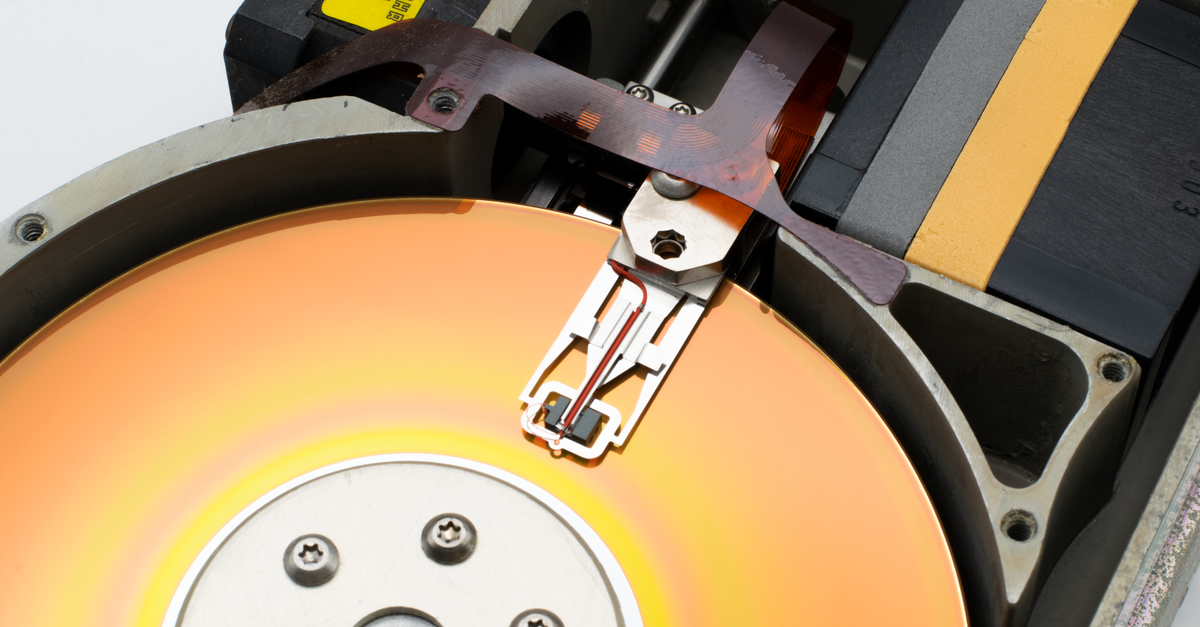
Harmonic Drives & Gearboxes: Precision Reducers in Industrial & Humanoid Arms
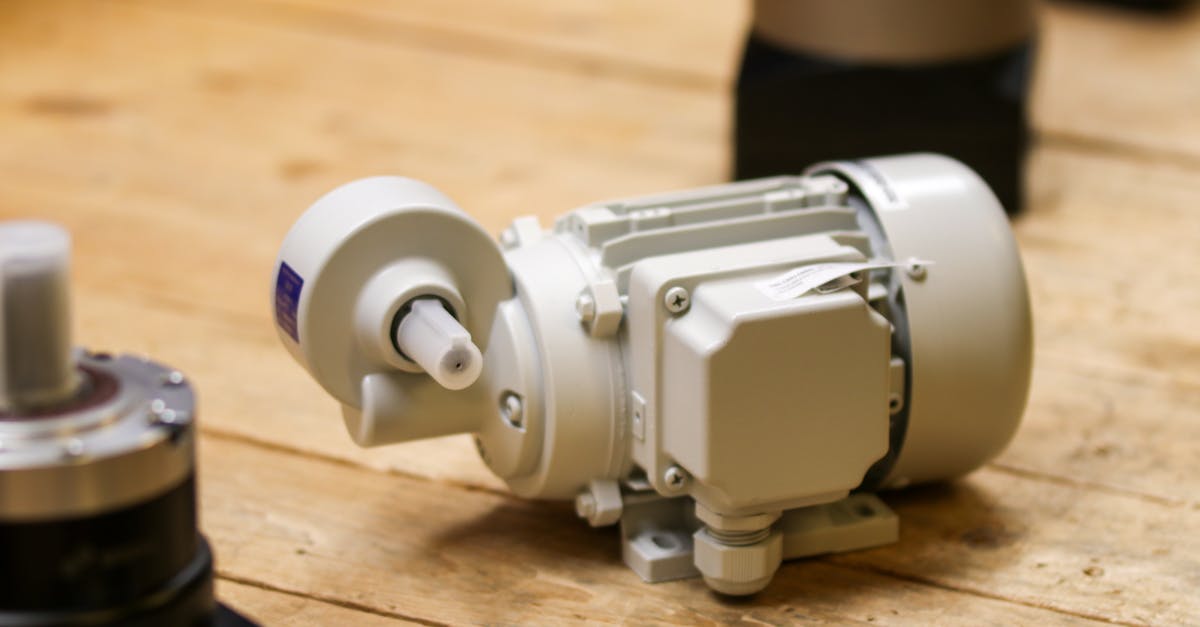
Harmonic Drives & Gearboxes: Precision Reducers in Industrial & Humanoid Arms
In the high-stakes environment of robotic automation, motion accuracy is non-negotiable. Harmonic drives, technically known as strain wave gearboxes, have established themselves as the standard solution for high-precision rotary motion in industrial robotics. Unlike traditional gear trains that rely on rigid meshing, harmonic drives utilize controlled elastic deformation to transmit torque. This mechanism allows for extreme reduction ratios within a compact form factor, making them indispensable for the joints of modern manipulators.
The Technical Architecture
The operation of a harmonic drive relies on three core components: the wave generator, the flex spline, and the circular spline. The wave generator is an elliptical input that deforms the thin-walled flex spline, causing it to engage with the internal teeth of the rigid circular spline. As the wave generator rotates, the point of engagement travels around the circumference, inducing rotation in the flex spline at a reduced speed. This design enables single-stage reduction ratios between 30:1 and 320:1.
Compared to planetary gearboxes, harmonic drives offer superior zero-backlash performance. In planetary systems, small gaps between gear teeth allow for slight movement without load transfer, known as backlash. In applications like welding or precision assembly, this margin of error is unacceptable. Harmonic drives eliminate this gap through the pre-stress of the flex spline. However, the reliance on elastic deformation introduces fatigue concerns. The flex spline undergoes cyclic bending, which can lead to material fatigue over time.
The history of this technology dates back to the 1950s, with patents filed by C.W. Musser. Over the decades, the manufacturing precision required for the wave generator has become a barrier to entry for new competitors. Major players like Harmonic Drive Systems (HDS) and Nabtesco maintain tight control over proprietary tolerances, ensuring that the supply chain remains concentrated among established manufacturers.
Industrial Robotics Applications
Current deployment data shows harmonic drives dominating the R2 through R6 axes of 6-axis industrial arms. Major manufacturers such as ABB, KUKA, and Fanuc specify these units for wrist and shoulder joints where payload capacity must be maintained without compromising positional accuracy. The compactness of the drive allows for a higher payload-to-weight ratio, a critical metric in factory floor logistics.
In the Indian manufacturing sector, automotive and electronics assembly lines are primary adopters. These industries require high repeatability for tasks like spot welding and screw driving. While Indian integrators are increasingly using domestic sources for structural components, precision gearboxes remain an import dependency. The lack of local manufacturing capacity for high-grade wave generators limits the ability to service or replace these units within the country quickly.
Furthermore, the thermal characteristics of harmonic drives must be managed in continuous duty cycles. The friction inherent in the meshing of the flex spline generates heat, which can affect the viscosity of the lubricant and the structural integrity of the elastomer components. In high-speed applications, cooling systems are often integrated into the gearbox housing to maintain performance ratings.
Humanoid Robotics Considerations
The transition to humanoid robotics has complicated the harmonic drive narrative. While Boston Dynamics' Atlas robot utilizes harmonic drives to manage the high torque required for dynamic movement, the durability under high-impact loads remains a point of contention. The cyclical deformation that enables precision also makes the system sensitive to shock loads.
Tesla's Optimus project, for instance, has reportedly explored alternative transmission mechanisms to reduce cost and improve resilience. Mass production of humanoid robots requires cost structures that harmonic drives struggle to meet due to complex manufacturing tolerances. While the torque density is superior, the replacement cost and maintenance intervals are higher compared to planetary reducers.
In human-like applications, the trade-off often shifts from pure precision to longevity. A walking robot encounters ground impact forces that far exceed the static loads of a factory arm. If the flex spline cracks due to shock, the entire joint fails. This risk has led some manufacturers to reconsider harmonic drives for the upper limbs, which are more static, while using planetary or direct drives for the legs, which are more dynamic.
Market Availability in India
In India, harmonic drives are sourced through authorized distributors in major industrial hubs. Companies like Harmonic Drive Systems (HDS) do not have manufacturing plants in India, meaning all units are imported. Sourcing is typically handled through partners in Delhi, Mumbai, and Bengaluru. Lead times for standard sizes can range from 8 to 12 weeks due to international shipping and customs clearance.
Pricing is a significant barrier for smaller Indian automation houses. A standard unit capable of 10-20 Nm of torque typically costs between ₹1.2 lakh and ₹2.5 lakh, depending on the brand and volume. Larger units rated for 100 Nm and above can exceed ₹5 lakh. These costs often exclude GST and handling charges, which can add an additional 18% to the landed cost.
The supply chain for these components is fragile. Disruptions in the US or Japanese supply chains directly impact Indian automation projects. Furthermore, the lack of a standardized repair ecosystem means that damaged units often require factory-level refurbishment, increasing downtime costs. Import duties on precision machinery components currently stand at 10%, adding to the overall cost of ownership.
Indian robotic integrators are increasingly looking for alternatives to mitigate these risks. Some are exploring cycloidal reducers from domestic manufacturers, which offer similar torque density but with a different failure mode. However, the availability of these alternatives is often limited to specific torque ranges, leaving high-precision applications reliant on imported harmonic drives.
Future Outlook
The industry is exploring hybrid solutions to address the limitations. Direct-drive motors are gaining traction for low-load applications, offering zero backlash without the fatigue risks of harmonic drives. However, they suffer from lower torque density. Some manufacturers are developing hybrid transmissions that combine planetary stages with harmonic elements to balance cost and performance.
For Indian robotics startups, the reliance on imported harmonic drives increases the barrier to entry. With the government promoting Make in India, the domestic manufacturing of precision gear components remains a priority. Until local production scales, the cost and availability of harmonic drives will remain a critical factor in the economic viability of Indian robotic deployments.
As the humanoid sector matures, the demand for cost-effective, durable transmission systems will likely outpace the supply of traditional harmonic drives. Innovation in materials science, particularly in elastomer durability, will be the key to extending the lifecycle of these components in high-stress environments.
References
- Harmonic Drive Systems (HDS) - Official Product Specifications: https://www.harmonicdrive.net
- Nabtesco Corporation - Industrial Gearbox Manufacturing: https://www.nabtesco.co.jp
- Robotics India Association - Market Analysis Reports: https://roboticsindia.org
- Indian Customs Tariff - Import Duties on Machinery: https://cbic.gov.in
✓ Key takeaways
- •Hands-on view of Harmonic Drives & Gearboxes: Precision Reducers in Industrial & Humanoid Arms inside our Harmonic Drives & Gearboxes library.
- •Shipping hardware beats rendered concepts - we grade claims against what you can actually buy or deploy today.
- •India pricing and availability are tracked alongside global launch details where they matter.
References
Related articles
More in Harmonic Drives & Gearboxes →