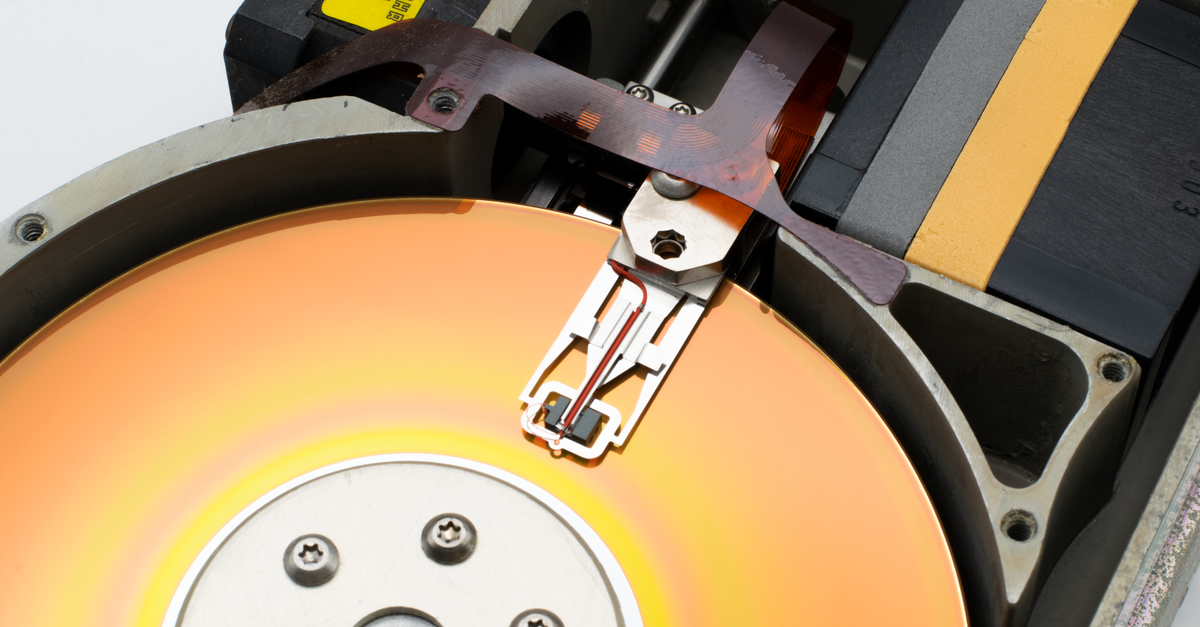
Harmonic Drives & Gearboxes: Precision Reducers Powering Modern Robotics

How Harmonic Drives Work: Mechanical Principles
Harmonic drives, formally known as strain-wave gearboxes, operate on a fundamentally different principle than conventional planetary or cycloidal reducers. Instead of rolling elements or meshing teeth, they rely on controlled elastic deformation of a thin-walled flexspline. The system comprises three primary components: the wave generator, the flexspline, and the circular spline. When the elliptical wave generator rotates inside the flexspline, it forces the flexible cup into an elliptical shape. This deformation causes the flexspline teeth to engage with the internal teeth of the circular spline along two opposing arcs. As the wave generator continues to turn, the engagement point travels around the circumference, producing a precise reduction ratio without backlash.
The kinematic relationship is governed by the difference in tooth counts between the circular spline (Nc) and the flexspline (Nf). The reduction ratio is calculated as (Nc - Nf) / Nf. Because the engagement involves multiple teeth simultaneously, typically 30 to 40 percent of the circumference, torque capacity per unit volume is exceptionally high. This mechanical architecture makes harmonic drives the default choice for joint actuators in collaborative robots, surgical arms, and humanoid prototypes where compact packaging and zero-backlash motion are non-negotiable.
Core Components and Kinematics
The flexspline is manufactured from high-cycle fatigue steel, often heat-treated to withstand millions of elastic cycles. Its geometry is precision-machined to ensure uniform wall thickness, as local stress concentrations directly determine service life. The circular spline is a rigid ring, typically with two more teeth than the flexspline, providing the fixed reaction surface. The wave generator consists of an elliptical cam mounted on a high-speed bearing. The bearing's outer race contacts the flexspline's inner surface, transmitting torque while allowing the elastic deformation to propagate. Kinematic accuracy depends heavily on bearing preload, spline tooth profile modifications, and thermal stability during sustained operation.
Torque Density and Backlash Performance
Industrial harmonic drives routinely achieve torque densities between 25 and 40 Nm/kg at the output flange, depending on ratio and load class. Backlash in properly preloaded units is typically specified at less than 1 arc-minute, with some high-precision variants claiming sub-arc-second repeatability under controlled laboratory conditions. However, real-world backlash increases with wear, lubricant breakdown, and thermal expansion. Manufacturers grade units by preload class: standard preload for general automation, and heavy preload for high-dynamic or high-vibration applications. Heavy preload reduces backlash but accelerates flexspline fatigue. Selection must balance stiffness requirements against expected cycle life, which is often rated between 10,000 and 25,000 hours in manufacturer datasheets under nominal loading.
Market Landscape and Manufacturer Tiers
The harmonic drive market is consolidated among established Japanese and European industrial component suppliers. Grading claims by shipping hardware first reveals a clear hierarchy of verified products, followed by pilot-stage integrations, and finally early-stage announcements that lack mechanical validation.
Global Leaders and Verified Shipping Hardware
Harmonic Drive Systems (HD Systems) remains the reference point for strain-wave gearing. Their CX, CXG, and CSD series are widely documented in factory videos, on-stage torque demonstrations, and independent robotics teardowns. Units ship with standardized mounting interfaces, integrated encoders, and grease-lubricated seals rated for continuous operation. Neugart (now part of Wittenstein) offers the PSH and PSK series, which prioritize modular integration with standard servo motors. Their spec sheets provide explicit thermal derating curves and mounting tolerance stacks. Sumitomo Heavy Industries and Nabtesco dominate the RV reducer segment for high-torque industrial arms, but their harmonic product lines are similarly documented through verified shipping hardware and published load curves.
Indian Distribution and Landed Cost Estimates
Indian manufacturers source harmonic drives through authorized industrial automation distributors, direct factory channels, and regional automation integrators. Major distributors operate in Chennai, Bengaluru, Pune, and Delhi-NCR, with stock levels varying by ratio and load class. For standard industrial harmonic drives (ratios 30:1 to 100:1, output torque 20 to 100 Nm), approximate landed cost estimates in India range from ₹45,000 to ₹1,80,000 per unit. These figures include base pricing, customs duties, IGST, and domestic freight. Landed cost estimates are flagged as indicative; actual pricing depends on encoder integration, preload class, and volume commitments. Budget variants from secondary manufacturers often list at ₹25,000 to ₹40,000 but typically lack published fatigue life data or thermal derating curves. Indian robotics teams should verify bearing preload specifications and flexspline material certifications before procurement.
Deployment Grading: Shipping Hardware vs. Pilots vs. Announcements
Evaluating harmonic drive claims requires a strict evidence hierarchy. Shipping hardware represents the baseline for technical validation. Units that have passed factory acceptance testing, carry traceable serial numbers, and include published load curves qualify at this tier. Pilot deployments include humanoid prototypes and collaborative arms where harmonic joints are integrated but not yet mass-produced. At this stage, torque density and cycle life claims should be treated as preliminary; on-stage demonstrations often use short duty cycles and optimized control loops that mask thermal saturation. Announcements from early-stage robotics firms frequently cite harmonic drives in press releases without disclosing ratio selection, preload class, or encoder resolution. These claims sit at the lowest tier until verified by independent testing or published spec sheets.
Grading framework in practice:
- Shipping Hardware: HD Systems CX series, Neugart PSH series, and equivalent units with published datasheets, factory videos, and traceable supply chains. Validated for torque density, backlash, and thermal performance.
- Pilot Deployments: Indian humanoid startups and research labs integrating harmonic joints for proof-of-concept platforms. Claims are provisional; duty cycle limits and thermal management are often unreported.
- Announcements: Budget robotics firms and concept vehicles citing harmonic drives in marketing materials. These lack independent torque testing, fatigue validation, or published integration guidelines.
Integration Considerations for Indian Manufacturers
Harmonic drive selection extends beyond ratio and output torque. Thermal management is critical in India's ambient climate; units operating near rated torque must include heat dissipation features or duty cycle limits. Preload selection dictates stiffness versus fatigue life trade-offs. High preload reduces backlash but increases internal friction and operating temperature. Encoder mounting must account for flexspline deflection; some manufacturers recommend strain-isolated coupling to prevent encoder drift during dynamic loads. Lubrication type matters: factory-greased units offer maintenance-free operation but limit top speed and thermal range; oil-lubricated variants support higher duty cycles but require sealed housing and periodic inspection.
Indian assembly lines should verify mounting tolerance stacks, especially for flange concentricity and bolt preload specifications. Mismatched tolerances induce uneven tooth engagement, accelerating flexspline fatigue. Supply chain lead times for imported units typically range from 8 to 14 weeks; domestic stock is limited to common ratios. Teams designing for Indian manufacturing should factor in calibration procedures, thermal derating curves, and spare flexspline inventory. Harmonic drives are precision components, not commodity fasteners. Specification accuracy, preload verification, and thermal modeling determine long-term reliability more than marketing claims.
References
- Harmonic Drive Systems Inc. Official Technical Specifications and Datasheets. https://www.harmonicdrive.net
- Neugart GmbH. PSH and PSK Series Product Catalog and Thermal Derating Guidelines. https://www.neugart.com
- Nabtesco Corporation. Harmonic Drive Technology and Load Curve Documentation. https://www.nabtesco.co.jp li>Sumitomo Heavy Industries, Ltd. Cyclo and Strain-Wave Gearing Technical Papers. https://www.shi.co.jp
- SKF India Ltd. Industrial Bearing and Precision Reducer Distribution Channels. https://www.skf.com/in
- Indian Robotics Association. Component Sourcing and Import Duty Guidelines for Automation Hardware. https://www.robindia.org
✓ Key takeaways
- •Hands-on view of Harmonic Drives & Gearboxes: Precision Reducers Powering Modern Robotics inside our Harmonic Drives & Gearboxes library.
- •Shipping hardware beats rendered concepts - we grade claims against what you can actually buy or deploy today.
- •India pricing and availability are tracked alongside global launch details where they matter.
Related articles
More in Harmonic Drives & Gearboxes →