Humanoids in Logistics: Shipping Hardware vs. Conceptual Promises

The Shipping Reality Check
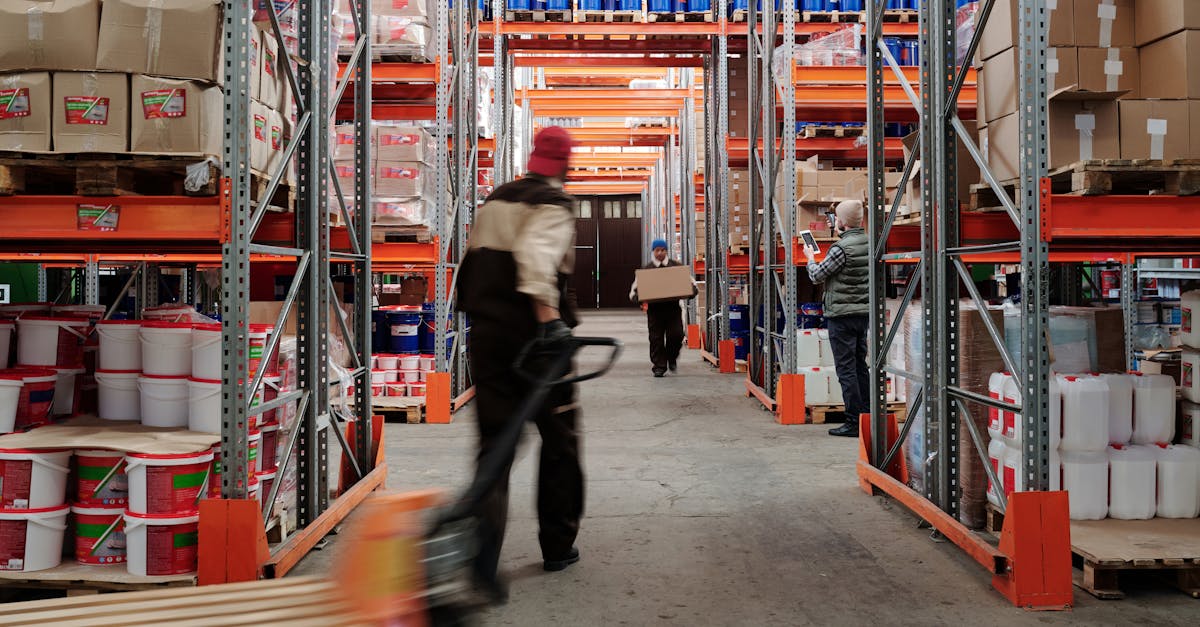
As the humanoid robotics sector matures, the narrative is shifting from concept to capability. However, the logistics sector demands reliability over novelty. For RobotWale, the metric for success is not how many press releases are issued, but how many units are shipped and deployed in active environments. We grade claims by shipping hardware first, pilot deployments second, and announcements last. In the warehouse and logistics space, three names dominate the conversation: Figure Robotics, Apptronik, and Agility Robotics. This report examines the current deployment status of these platforms, their specific utility in logistics workflows, and the realistic timeline for adoption in the Indian market.
While the technology promises a labor solution to the global shortage of warehouse staff, the hardware must prove it can handle the physical variability of a distribution center. The following analysis breaks down the actual deployment status of the leading players in this specific vertical.
Figure Robotics: The Amazon Pipeline
Figure AI has established one of the most high-profile partnerships in the sector, collaborating with Amazon Robotics. The company’s focus has been on general-purpose manipulation within the warehouse environment. The Figure 01 and Figure 02 models represent the current generation of hardware capable of handling tasks such as sorting, packing, and moving packages.
Figure 01 and 02 Specs
According to manufacturer specifications released during public demonstrations, the Figure 01 is designed for dexterity and strength. The Figure 02, which has been the subject of more recent deployment announcements, aims to improve speed and reliability. Key specifications include a dual-arm configuration, a battery life targeting 8-hour shifts, and the ability to handle standard shipping containers. The company claims a target unit price of approximately $25,000 USD to $30,000 USD, though this is subject to volume adjustments.
However, the critical distinction lies in the deployment timeline. While Figure has announced a partnership with Amazon, the actual number of units installed in operational Amazon warehouses remains a closely held metric. Public reports indicate that Figure has begun shipping units to Amazon for testing purposes, but large-scale commercial integration is not yet complete. The focus remains on refining the software stack for complex manipulation tasks before wider rollout.
Deployment Status
As of late 2024, Figure has moved beyond the prototype phase into limited pilot deployments. The primary use case involves sorting and moving items on the warehouse floor. The hardware is being tested for its ability to integrate with existing warehouse management systems (WMS). The company has not released a full public census of deployed units, but independent reporting suggests a small fleet is operational at select Amazon facilities. This represents the "shipping hardware" tier, where the hardware is physically present, but the ROI calculation is still being validated.
Apptronik and Apollo: Walmart and Beyond
Apptronik’s Apollo robot has been positioned specifically for logistics and material handling. The company has secured partnerships with major retailers, most notably Walmart. Apollo is designed to handle the repetitive task of loading and unloading trucks, a high-risk area for human workers.
Walmart Pilot Details
In 2024, Apptronik announced a pilot program with Walmart. The goal was to deploy Apollo units to assist with the loading of delivery trucks. This is a specific, high-value use case where the robot operates in a semi-structured environment. The pilot aimed to demonstrate that the robot could handle the physical strain of lifting heavy boxes without fatigue. Reports from the pilot indicate that the units were deployed for specific shifts, allowing for data collection on uptime and task completion rates.
The hardware specifications for Apollo include a height of approximately 1.7 meters and a payload capacity suitable for standard parcels. The control system is designed for teleoperation as a fallback, ensuring safety in public-facing areas. While the pilot showed promise, the transition from pilot to full fleet deployment requires a level of reliability that has not yet been publicly quantified in terms of mean time between failures (MTBF).
Deployment Status
Apptronik’s deployment strategy focuses on specific logistics nodes rather than general warehouse wandering. The company has announced plans to expand the pilot beyond Walmart, but the volume of units shipped remains in the single-digit or low double-digit range for logistics applications. The company has also pursued a partnership with UPS, further solidifying its position in the shipping and logistics vertical. The focus here is on the "heavy lifting" aspect of logistics, rather than the last-mile delivery.
Agility Robotics: Digit in the Supply Chain
Agility Robotics, now part of Boston Dynamics, has a long history with the Digit platform. Digit was originally designed for construction and logistics. The acquisition by Boston Dynamics has led to a consolidation of R&D, potentially accelerating the roadmap for the logistics sector.
Agility’s Logistics Focus
Digit is known for its bipedal locomotion and ability to navigate uneven terrain, which makes it suitable for logistics environments that are not fully paved. The robot is designed to move goods between trucks and storage areas. Agility has demonstrated Digit working in warehouse settings, moving pallets and boxes. The hardware features a hydraulic and electric hybrid system, allowing for high power output.
However, the cost of the hardware remains a significant barrier. While exact pricing is often proprietary, industry estimates place the unit cost higher than the humanoid competitors, reflecting the complexity of the hydraulic systems. The deployment status for Digit in logistics is more mature than Figure or Apptronik in terms of public demonstrations, but the commercial scale is still nascent.
Deployment Status
Agility Robotics has deployed Digit units for pilot programs with select logistics partners. The focus has been on validating the robot’s ability to operate in semi-structured environments. The company has not yet announced a mass rollout to logistics partners, indicating that the technology is still in the validation phase. The acquisition by Boston Dynamics suggests a strategic pivot towards broader industrial applications, including logistics.
The India Context: Availability and Cost
For Indian readers, the question of availability is paramount. Currently, no humanoid robot from Figure, Apptronik, or Agility is officially available for purchase in India through a direct channel. These units are primarily deployed in North America and parts of Europe.
Import Regulations and HS Codes
Importing humanoid robots into India falls under the Directorate General of Foreign Trade (DGFT) regulations. The likely HS Code is 8479 (Machines and mechanical appliances having individual functions). Import duties on robotics hardware typically range from 5% to 10% for capital goods, subject to specific concessions. However, regulatory scrutiny regarding safety and certification is increasing.
Approximate INR Pricing
Estimating the landed cost for the Indian market requires converting US MSRP and adding import duties, GST, and logistics.
- Figure AI: Estimated US price $25,000 - $30,000. Landed cost in India approx. ₹25 Lakhs to ₹35 Lakhs INR.
- Apptronik Apollo: Estimated US price $40,000 - $50,000. Landed cost in India approx. ₹35 Lakhs to ₹45 Lakhs INR.
- Agility Digit: Estimated US price $50,000+. Landed cost in India approx. ₹45 Lakhs+ INR.
Conclusion: The Path Forward
The humanoid robotics sector in logistics is at a critical juncture. Figure, Apptronik, and Agility have moved beyond the concept phase into pilot deployments. However, the gap between a pilot and a fleet remains significant. For the Indian market, the hardware is not yet commercially available, and the regulatory landscape is still forming.
RobotWale’s grading system prioritizes shipped hardware. While announcements are frequent, the hardware must prove itself in the warehouse. Until the units are deployed at scale and the ROI is proven, the sector remains in the validation phase. For investors and industry leaders, the focus should remain on the pilot deployment data rather than the press releases.
As the technology matures, the logistics industry will likely see a shift from human-centric workflows to hybrid systems. The next 12 to 24 months will be critical in determining whether these platforms can achieve the reliability required for mass adoption.
✓ Key takeaways
- •Hands-on view of Humanoids in Logistics: Shipping Hardware vs. Conceptual Promises inside our Humanoids in Logistics library.
- •Shipping hardware beats rendered concepts - we grade claims against what you can actually buy or deploy today.
- •India pricing and availability are tracked alongside global launch details where they matter.
References
Related articles
More in Humanoids in Logistics →