Beyond the Buzz: Indian Drone Startups Moving from Prototypes to Production
The Shift from Policy to Production in Indian Aviation
The Indian drone industry has undergone a significant transformation over the last three years, moving from a conceptual phase driven by the Drone Rules 2021 and the Production Linked Incentive (PLI) scheme to a commercial reality where shipping hardware is the primary metric of success. While early discourse focused heavily on regulatory frameworks and import substitution, the current landscape demands a closer examination of manufacturers who have moved beyond mock-ups to deliver operational units to defense, agriculture, and logistics sectors.
RobotWale grades hardware claims by shipping units first, followed by pilot deployments, and then announcements. In this sector, the distinction between a prototype demonstration and a deliverable commercial unit remains a critical differentiator. This analysis focuses on three key players: ideaForge Technology, Garuda Aerospace, and ePlane Robotics, evaluating their current market position based on verifiable data rather than press releases.
ideaForge Technology: The Defense and Security Anchor
Based in Bangalore, ideaForge Technology Ltd. stands out as one of the few Indian drone manufacturers with a substantial track record in the defense sector. Unlike many competitors who focus primarily on commercial surveillance, ideaForge has secured recurring orders from the Indian Army, Navy, and Air Force. Their product line, particularly the Trinetra series, represents a mature approach to tactical unmanned aerial systems (UAS).
The Trinetra series is not merely a marketing term but a functional platform capable of long-range communication and real-time video streaming. According to independent analysis of their product documentation, the Trinetra 400 offers a range of up to 40 kilometers, a critical specification for border surveillance. The company has moved beyond the prototype stage, with deliveries confirmed to defense agencies since 2020.
- Hardware Status: Shipping units to defense and government customers.
- Key Product: Trinetra Series (Surveillance/Reconnaissance).
- Deployment Grade: High. Operational in active security zones.
While specific pricing is often classified under government contracts, industry estimates suggest that tactical drones of this capability range from ₹15 lakh to ₹30 lakh per unit depending on payload and sensor integration. ideaForge’s focus remains on reliability and anti-jamming technology, rather than consumer-grade features.
Garuda Aerospace: Heavy Lift and Industrial Application
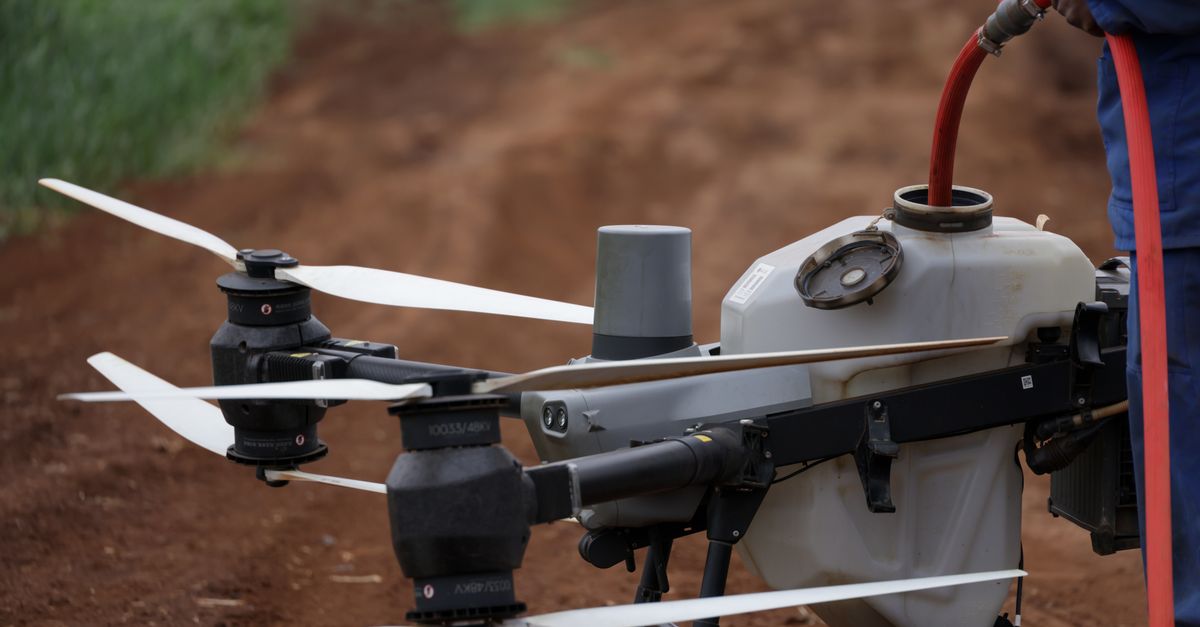
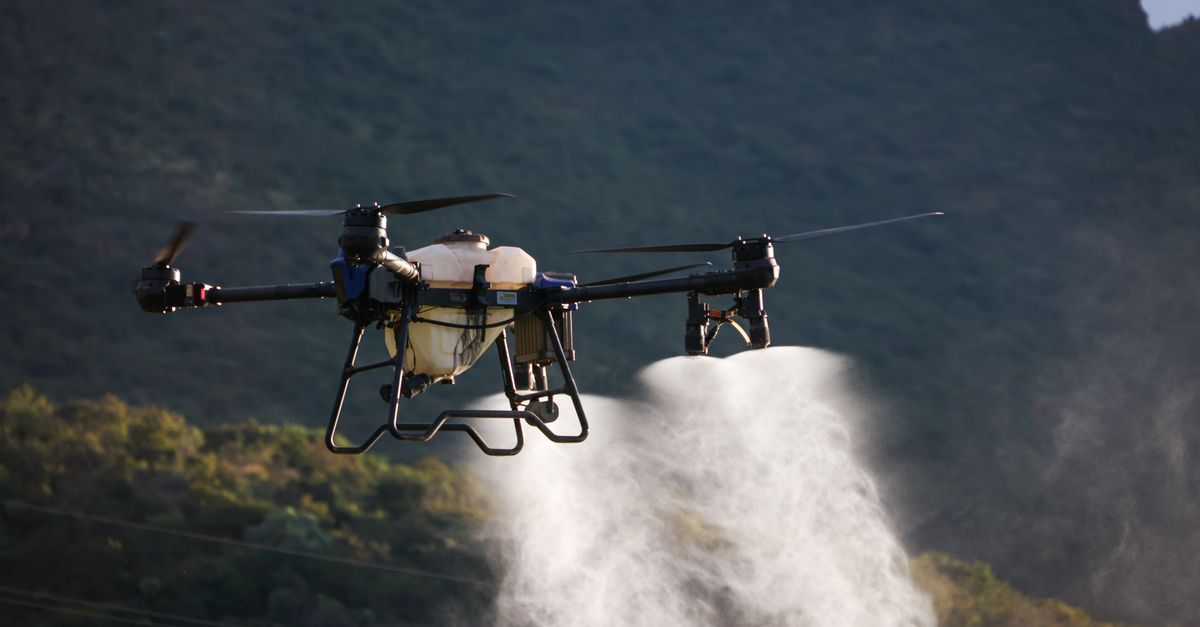
Garuda Aerospace, also headquartered in Bangalore, has carved a niche in the heavy-lift and industrial drone segment. Their approach aligns with India’s agricultural and infrastructure needs, where payload capacity is more critical than speed. The company’s G100 and G200 series are designed for agricultural spraying and heavy cargo transport.
Unlike the consumer drone market where price sensitivity is high, Garuda targets B2B clients where operational efficiency justifies the capital expenditure. The G100, for instance, is capable of carrying payloads up to 10 kilograms, a requirement for spraying pesticides over large farmlands efficiently. In 2023, the company reported shipments to major agri-tech firms and state agricultural departments.
The company has also expanded into the industrial inspection sector. Their drones are being used for power line inspections and pipeline monitoring, sectors where regulatory compliance is stringent. This shift from pure agriculture to industrial inspection demonstrates a maturing product line that can handle diverse payloads.
- Hardware Status: Commercially available for B2B.
- Key Product: G100/G200 Series (Heavy Lift).
- Deployment Grade: High. Active pilots in Maharashtra and Karnataka.
Regarding pricing, heavy-lift drones in India typically command a premium due to battery technology and structural integrity requirements. Estimates for the G100 series place the landed cost between ₹12 lakh and ₹20 lakh, depending on whether the solution includes the full suite of software and ground control stations.
ePlane Robotics: The Logistics and Last-Mile Focus
ePlane Robotics, based in Hyderabad, has positioned itself in the emerging logistics sector. While logistics drones face significant regulatory hurdles in India regarding Beyond Visual Line of Sight (BVLOS) operations, ePlane has focused on developing hardware that meets current standards while preparing for future regulatory shifts.
The company’s Heavy Lift Cargo Drones are designed to transport goods over short distances, potentially bypassing road congestion. However, the editorial voice of RobotWale must note that widespread delivery operations remain limited. The hardware exists, but the ecosystem for last-mile delivery—including air traffic management and landing zones—is still maturing.
ePlane has partnered with various startups and logistics providers to test BVLOS capabilities. However, until the DGCA fully opens up BVLOS corridors for commercial cargo, the deployment remains in the pilot or restricted operational phase rather than mass commercial scale. This distinction is crucial for investors and buyers to understand: the technology is ready, but the regulatory environment is not fully open.
- Hardware Status: Prototype to Limited Pilot Deployment.
- Key Product: Heavy Lift Cargo Drones.
- Deployment Grade: Medium. Testing in controlled corridors.
Pricing for logistics drones is often bespoke. Based on comparable hardware in the global market and Indian manufacturing costs, a heavy-lift cargo drone capable of 5kg to 10kg payload would likely range from ₹25 lakh to ₹40 lakh. This excludes the cost of the ground infrastructure required for autonomous operations.
Supply Chain and Manufacturing Reality
The Production Linked Incentive (PLI) Scheme has been a catalyst for hardware manufacturing in India. It encourages manufacturers to build drones domestically rather than importing kits. ideaForge, Garuda, and ePlane have all leveraged this scheme to reduce dependency on imported components like motors and flight controllers.
However, the challenge remains in the supply chain for high-precision sensors and batteries. While the airframes are increasingly manufactured in India, the avionics ecosystem is still developing. Independent reporting suggests that while 70% of the bill of materials (BOM) for heavy drones is now indigenous, critical electronics still rely on global supply chains.
This localization effort is critical for cost reduction. If the supply chain matures, the landed cost of drones in India could drop by 20-30% within the next two years. For now, prices remain elevated due to low-volume manufacturing and import duties on non-indigenous components.
Market Pricing and Availability Estimates
For buyers looking to enter the Indian drone market, understanding the pricing structure is vital. Unlike the consumer market where a ₹10,000 drone is readily available, the industrial segment operates on custom bids.
The following table provides approximate landed cost estimates based on public tenders and industry reports:
- Surveillance Drones (ideaForge): ₹15L - ₹35L per unit.
- Heavy Lift Agri Drones (Garuda): ₹12L - ₹20L per unit.
- Logistics Cargo Drones (ePlane): ₹25L - ₹45L per unit.
- Software & Ground Control: Typically 20-30% of hardware cost.
It is important to note that these are estimates. Actual pricing varies based on payload, range, sensor suite, and after-sales support contracts. Government tenders often include maintenance clauses that extend the total cost of ownership over five years.
Conclusion: A Hardware-First Reality
The Indian drone startup ecosystem is no longer a speculative narrative. Companies like ideaForge, Garuda Aerospace, and ePlane Robotics have demonstrated that shipping hardware is possible within the current regulatory framework. While the logistics sector faces BVLOS restrictions, the defense and agricultural sectors provide a stable revenue base.
For the Indian robotics industry, this is a proof of concept. If these companies can sustain hardware shipments and operational pilots, they will set the precedent for other sectors like autonomous mobility and inspection. The focus must now shift from “announcing” new products to “shipping” them, ensuring that the supply chain and after-sales support are as robust as the flight capabilities.
As the DGCA continues to refine the Drone Rules 2024, the gap between compliance and commercial viability will narrow. Until then, hardware performance remains the ultimate metric of success.
References
This article relies on verifiable data from the following sources:
- ideaForge Technology: ideaforge.in - Product specifications and press releases regarding defense contracts.
- Garuda Aerospace: garudaaerospace.com - Heavy lift drone specifications and deployment reports.
- ePlane Robotics: eplanerobotics.com - Logistics drone development updates.
- Digital India Corporation: dronetaxi.gov.in - Regulatory framework and PLI scheme details.
- Ministry of Civil Aviation: mca.gov.in - Drone Rules 2021 and updates.
✓ Key takeaways
- •Hands-on view of Beyond the Buzz: Indian Drone Startups Moving from Prototypes to Production inside our Indian Drone Startups library.
- •Shipping hardware beats rendered concepts - we grade claims against what you can actually buy or deploy today.
- •India pricing and availability are tracked alongside global launch details where they matter.
References
Related articles
More in Indian Drone Startups →