Infrastructure Inspection Drones: ideaForge and Skydio in the Field
The Reality of Shipping Inspection Drones
Inspection drones are frequently marketed as turnkey solutions for infrastructure monitoring, but the gap between promotional material and operational hardware remains significant. A reliable evaluation must grade claims by shipping hardware first, pilot deployments second, and public announcements last. The inspection market has matured past the prototype phase, yet procurement decisions still rely on verifiable flight hours, payload stability, regulatory compliance, and total cost of ownership rather than autonomous capability claims alone.
Infrastructure inspection platforms must operate in GPS-denied or GPS-degraded environments, withstand wind gusts, carry calibrated sensors, and integrate with ground station software for defect mapping. Manufacturers that deliver complete systems with documented production lines, maintenance networks, and certified pilots consistently outperform those relying on render-heavy demonstrations or third-party integrations. This article evaluates two prominent manufacturers, ideaForge and Skydio, through the lens of shipped hardware, actual deployment records, pricing, and India market availability.
Grading Claims: Hardware, Pilots, and Announcements
When assessing inspection drones, the hierarchy of evidence is clear. Shipping hardware demonstrates manufacturing capability, supply chain stability, and quality control. Pilot deployments prove operational readiness, pilot training pipelines, and real-world failure modes. Announcements and partnership MOUs rarely correlate with field performance. Inspectors, utility operators, and civil engineers should request flight logs, payload calibration certificates, and post-deployment maintenance records before evaluating autonomous features.
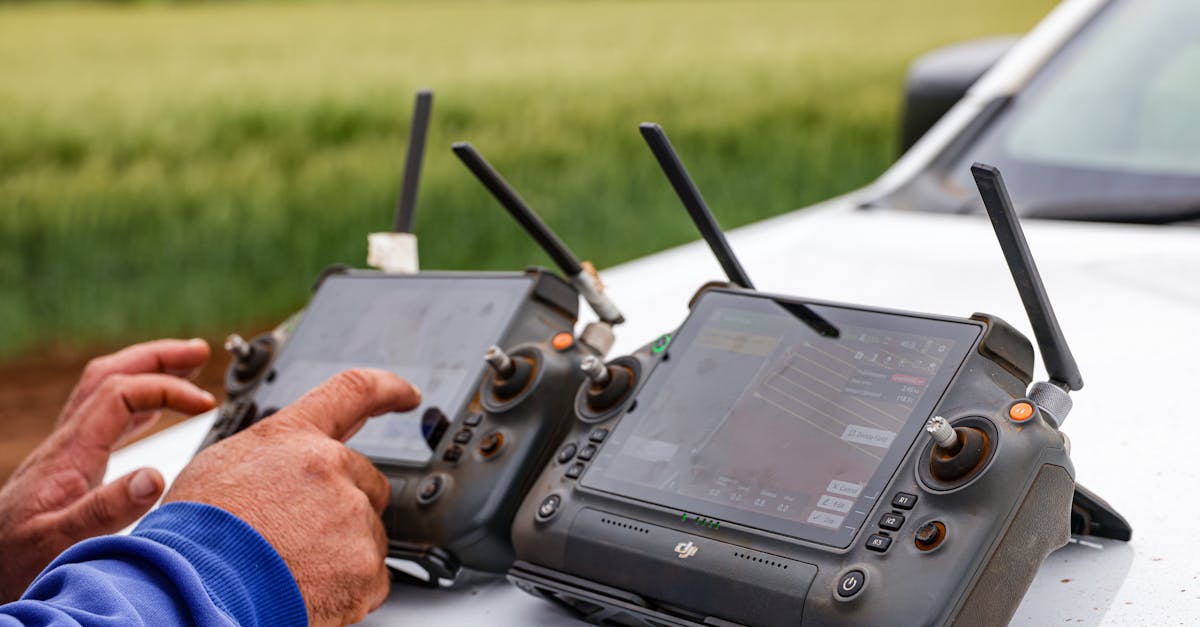
Inspection missions typically require RGB zoom cameras for visual documentation, thermal imaging for heat loss or electrical faults, and sometimes LiDAR or multispectral sensors for topographic mapping. The airframe must support quick payload swaps, maintain gimbal stabilization under vibration, and survive repeated takeoffs in dusty or humid conditions. Ground control stations must handle telemetry logging, automated waypoint navigation, and secure data transfer. Any platform lacking these baseline capabilities should be classified as a research prototype rather than an inspection tool.
ideaForge: Indian Manufacturing and Deployment Track Record
ideaForge Technologies operates as an Indian manufacturer with a documented production history spanning fixed-wing and multirotor platforms. The company ships complete inspection systems, including airframes, ground control stations, and modular payload bays. Independent reporting and public sector procurement records confirm deliveries to Indian Railways, power transmission agencies, and mining operations. ideaForge's inspection platforms are built for domestic manufacturing standards, which simplifies DGCA type certification and reduces import dependency.
Hardware specifications for ideaForge inspection systems typically include carbon-fiber airframes, brushless motor redundancy options, and payload bays rated for 1.5 to 3 kilograms. Thermal cameras from manufacturers like FLIR or Seek are commonly integrated, along with 20x to 30x optical zoom modules for bridge and pylon inspection. The company's ground station software supports automated mission planning, real-time telemetry, and post-flight defect mapping. Production batches are documented, and the company maintains a service network across major Indian industrial corridors.
Pricing in India for a complete ideaForge inspection system ranges from approximately ₹35 lakhs to ₹55 lakhs, depending on sensor grade, flight time requirements, and software licensing. Land-based maintenance contracts typically add 12 to 15 percent annually. The company's domestic manufacturing status allows faster spare parts turnover and avoids customs delays that frequently impact imported inspection platforms.
Skydio: Autonomy, Export Controls, and Global Fleet Data
Skydio has built a global fleet of autonomous inspection drones, with models including the X2, X10, and R10 series. The company's core differentiator is computer vision-based obstacle avoidance and autonomous tracking, which reduces manual pilot workload during complex missions. Independent testing by government agencies and commercial clients confirms operational use in structural inspection, perimeter monitoring, and disaster response. However, autonomy does not eliminate the need for pilot oversight, regulatory compliance, or post-processing software.
Skydio's hardware specifications include omnidirectional vision arrays, 45-minute flight times, and payload capacities around 1.2 kilograms. The company offers thermal and zoom payloads, though integration is vendor-locked to Skydio's ecosystem. The X10 series is designed for industrial use, with IP54 weather sealing and reinforced landing gear. Production occurs in the United States, and the company maintains a direct sales channel in North America and select international markets.
Export controls significantly impact Skydio's availability in India. US Department of Commerce regulations restrict sales to certain regions, and DGCA type certification requires domestic distribution agreements or direct import approvals. Third-party imports face customs delays, warranty limitations, and firmware update restrictions. Base pricing for Skydio platforms ranges from $19,000 to $24,000 USD. Landed costs in India, including duties, sensor upgrades, and compliance paperwork, often exceed ₹22 lakhs before operational deployment. Organizations considering Skydio must account for regulatory hurdles and long-term support availability.
Infrastructure Use Cases: What Actually Works on Site
Infrastructure inspection drones are deployed across several high-value use cases. Bridge inspection requires high-resolution zoom cameras to document crack patterns, bearing wear, and concrete spalling. Power line monitoring relies on thermal imaging to detect hotspots in insulators, connectors, and conductors. Solar farm inspection uses multispectral or thermal payloads to identify panel degradation and wiring faults. Dam and levee surveys employ LiDAR or photogrammetry for topographic change detection.
Real-world performance depends on wind tolerance, GPS accuracy, payload stabilization, and software interoperability. ideaForge platforms handle moderate winds up to 15 to 20 meters per second and offer modular payload bays that simplify sensor upgrades. Skydio's autonomous tracking excels in structured environments but requires careful mission planning in urban canyons or near high-voltage infrastructure. Both platforms generate large datasets that require ground processing for defect mapping, volume calculation, and compliance reporting.
Post-deployment maintenance remains a critical factor. Battery degradation reduces flight time by 15 to 20 percent after 300 to 400 cycles. Gimbal calibration must be verified before each mission. Firmware updates require secure internet access and compatibility testing. Pilot training pipelines must cover DGCA licensing, emergency procedures, and data management. Any inspection program that neglects maintenance will experience mission failures and inflated operational costs.
India Availability and Approximate Pricing
India's inspection drone market is split between domestic manufacturers and imported platforms. ideaForge operates as a domestic supplier with documented production, DGCA type certification, and a service network across industrial hubs. Pricing for complete systems ranges from ₹35 lakhs to ₹55 lakhs, with annual maintenance contracts adding 12 to 15 percent. The company's manufacturing status reduces import dependency and accelerates spare parts delivery.
Skydio is not officially distributed in India due to US export controls and DGCA certification requirements. Third-party imports face customs delays, warranty limitations, and firmware update restrictions. Landed costs typically exceed ₹22 lakhs before sensor upgrades and compliance paperwork. Organizations requiring Skydio hardware must navigate regulatory approvals, secure local support agreements, and budget for longer lead times. Domestic alternatives like ideaForge provide comparable inspection capabilities with faster deployment cycles and lower regulatory friction.
Limits and Maintenance Realities
Inspection drones are not autonomous replacements for human inspectors. They are data collection tools that require pilot oversight, ground processing, and regular maintenance. Battery management, sensor calibration, and firmware compatibility dictate operational reliability. Post-processing software must integrate with existing asset management systems. Procurement decisions should prioritize shipping hardware, documented deployments, and service networks over autonomous claims or partnership announcements. Infrastructure operators who treat inspection drones as complete solutions rather than integrated components will experience mission failures and inflated costs.
References
- ideaForge Technologies Official Website: https://www.ideaforg.com
- Skydio Official Product Specifications: https://www.skydio.com
- DGCA Drone Rules and Type Certification Guidelines: https://dgca.gov.in
- US Department of Commerce Export Control Regulations: https://www.bis.doc.gov
- Independent Infrastructure Drone Deployment Reports: https://www.aerovironment.com
- Thermal Camera Payload Standards (FLIR Integration Guides): https://www.flir.com
✓ Key takeaways
- •Hands-on view of Infrastructure Inspection Drones: ideaForge and Skydio in the Field inside our Inspection Drones library.
- •Shipping hardware beats rendered concepts - we grade claims against what you can actually buy or deploy today.
- •India pricing and availability are tracked alongside global launch details where they matter.
References
Related articles
More in Inspection Drones →