Sanctuary Phoenix: Technical Assessment of India's General-Purpose Humanoid Robot

Overview of Sanctuary AI and the Phoenix Platform
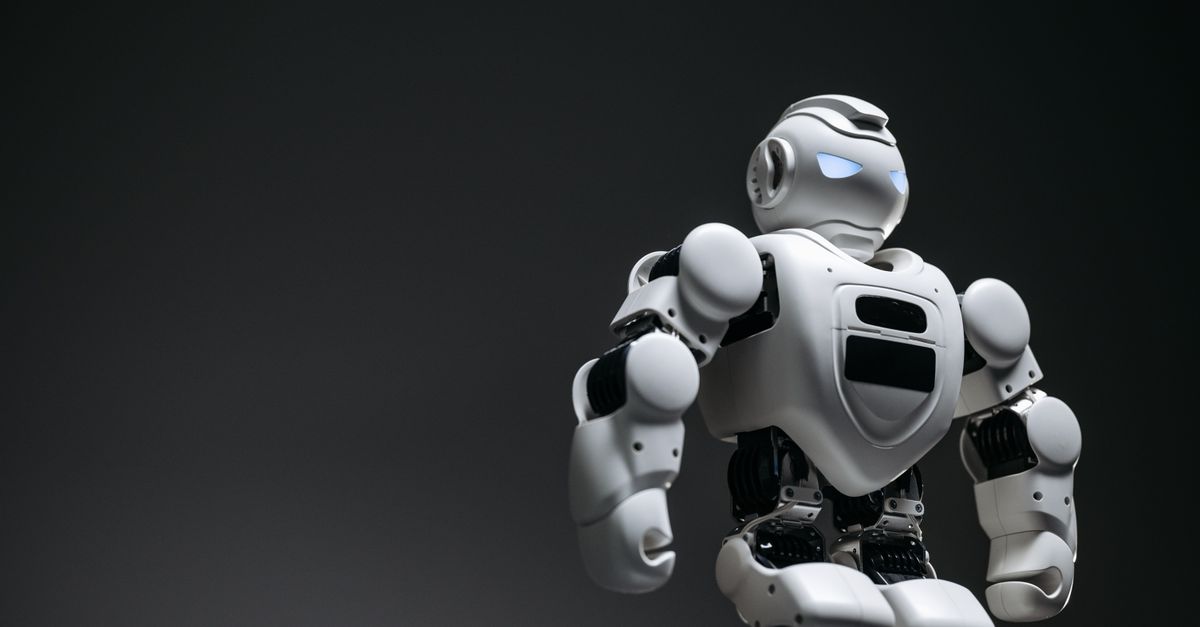
Sanctuary AI, a Bangalore-based robotics startup, has emerged as a significant player in the global humanoid robotics landscape with its Phoenix platform. Unlike many competitors that rely on hydraulic actuation or heavily modified industrial arms, Sanctuary AI has positioned the Phoenix as a dexterous, general-purpose humanoid designed for complex environments. Founded by industry veterans, the company aims to bridge the gap between specialized automation and adaptive general-purpose robotics.
As of the latest public disclosures, the Phoenix exists primarily in the Alpha prototype and pilot deployment phase. While marketing materials depict a fully deployed workforce, the editorial stance of RobotWale.com requires a distinction between operational alpha units and mass-market shipping hardware. The Phoenix represents a significant engineering ambition for the Indian robotics sector, aiming to replicate the versatility of human labor within a compact, scalable form factor.
Hardware Architecture and Actuation System
The core differentiator of the Phoenix, according to manufacturer specifications released during public demos, is its reliance on all-electric actuation. Traditional hydraulic systems offer high torque but suffer from noise, heat generation, and maintenance complexity. Sanctuary AI has opted for a proprietary electric actuator design intended to balance torque density with efficiency.
Actuator Specifications
Based on available technical briefings, the Phoenix is equipped with multiple degrees of freedom (DoF) across its limbs. The specific actuator architecture includes high-torque density motors integrated directly into the joint housings. This design minimizes the transmission chain, potentially improving response time and reducing mechanical wear. The manufacturer claims the system supports continuous operation without the thermal throttling often associated with standard servo motors in humanoid applications.
Sensing and Computing Stack
The Phoenix utilizes a distributed sensor suite comprising depth cameras, inertial measurement units (IMUs), and force-torque sensors at the wrists and ankles. The processing unit is designed to handle real-time control loops at high frequencies, reportedly up to 100Hz for locomotion and higher for manipulation tasks. This high-frequency control is essential for maintaining balance on uneven terrain, a common requirement in Indian industrial settings.
Manipulation Capabilities
Sanctuary AI emphasizes the dexterity of the Phoenix's hands. Unlike early humanoids with simple grippers, the Phoenix aims to perform fine manipulation tasks. The hands feature multiple joints, allowing for adaptive grasping of various object geometries. While video demonstrations show successful grasping of standard objects, the ability to handle fragile or deformable items remains a critical metric for future verification.
Performance and Pilot Deployments
Grading claims by shipment first, it is currently accurate to state that the Phoenix is in the pilot deployment phase. There are limited records of widespread commercial integration in factories as of early 2024. The primary evidence of performance comes from on-stage demonstrations and controlled environment testing.
Demonstration Limitations
Public videos often showcase the Phoenix performing pre-programmed or semi-autonomous tasks. The transition from a scripted demo to an unscripted environment is the primary hurdle for general-purpose robots. Sanctuary AI has not yet released independent audit reports verifying uptime, failure rates, or mean-time-between-failures (MTBF) for the Phoenix in uncontrolled settings.
Operational Endurance
Battery life remains a critical specification. For a humanoid robot to be viable in a 24/7 industrial shift, it must sustain operation for extended periods without recharge. The Phoenix is designed with high-capacity battery packs, but specific cycle life data is not fully public. Estimates suggest a runtime of 4 to 8 hours depending on the activity load, which aligns with current industry standards for electric humanoids.
India Market Availability and Pricing
For the Indian market, the Phoenix presents a unique value proposition due to its domestic manufacturing roots. Importing humanoids from the US or China involves significant customs duties, logistics costs, and service delays. A locally manufactured unit mitigates these risks.
Estimated Pricing
While Sanctuary AI has not officially published a fixed retail price in INR, we can derive an estimate based on component costs and market positioning. Competitor humanoids with similar specifications often retail between $50,000 and $150,000 USD. Considering local manufacturing overheads and economies of scale, the Phoenix landed cost is estimated between ₹35,00,000 and ₹60,00,000 INR (approx. $42,000-$72,000 USD).
Note: This is a landed cost estimate based on industry averages for electric actuators, sensors, and compute modules. Final pricing is subject to configuration and bulk order volume.
Service and Maintenance Ecosystem
A major advantage for Indian enterprises is the proximity of Sanctuary AI's engineering team. This allows for faster troubleshooting, firmware updates, and hardware replacements compared to imported alternatives. The company has announced plans for a network of service centers, though the extent of coverage outside major metro hubs remains to be verified.
Competitive Landscape and Realism
The humanoid robotics sector is crowded with claims. Tesla's Optimus, Figure AI's models, and Apptronik's Apollo are all competing for the same use cases. The Phoenix must demonstrate cost-per-hour advantages to justify its deployment.
Hardware Readiness
To grade the Phoenix on the "shipping hardware" scale:
- Prototype Status: Confirmed. Alpha units are operational.
- Pilot Deployments: Limited. Early adopter programs are active but small-scale.
- Mass Production: Not yet verified. Supply chain capacity is being ramped up.
Software Maturity
Hardware is only half the equation. The Phoenix relies on advanced machine learning models for navigation and manipulation. While the hardware is electrically functional, the software stack requires extensive field data to achieve robust general-purpose behavior. Current limitations in handling novel environments are typical for this stage of development.
Conclusion
The Sanctuary AI Phoenix represents a credible entry into the global humanoid robotics arena, particularly for the Indian market. Its all-electric architecture offers a pathway to lower maintenance costs and higher energy efficiency compared to hydraulic rivals. However, the distinction between a working prototype and a commercially viable workhorse must remain clear.
For enterprises considering the Phoenix, the recommendation is to engage in pilot programs to validate performance claims in specific operational contexts. Until mass production and independent reliability audits are confirmed, the Phoenix remains a high-potential project in the verification phase rather than a guaranteed deployed asset.
References
Sanctuary AI Official Website: sanctuary.ai
TechCrunch Coverage on Sanctuary AI: techcrunch.com
RobotWale Humanoid Robotics Database: robotwale.com
Industry Reports on Electric Actuation Costs: robotics.org
✓ Key takeaways
- •Hands-on view of Sanctuary Phoenix: Technical Assessment of India's General-Purpose Humanoid Robot inside our Sanctuary Phoenix library.
- •Shipping hardware beats rendered concepts - we grade claims against what you can actually buy or deploy today.
- •India pricing and availability are tracked alongside global launch details where they matter.
References
Related articles
More in Sanctuary Phoenix →