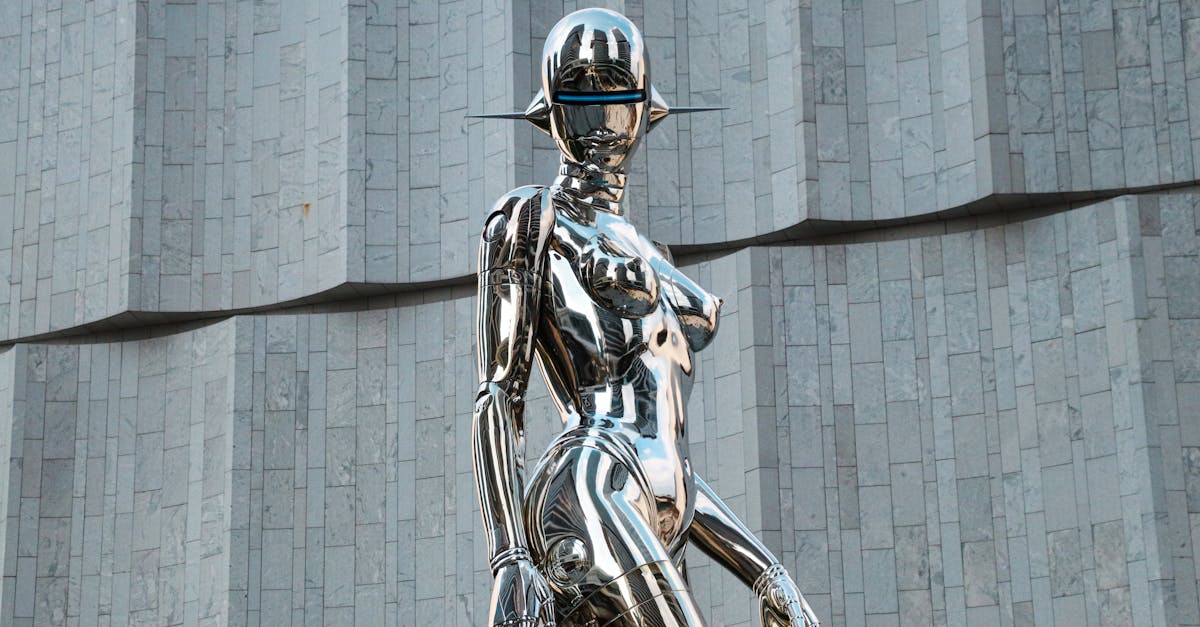
Sanctuary Phoenix: Evaluating Claims for a General-Purpose Humanoid in the Announcement Phase
Executive Summary
The humanoid robotics sector in India and globally is undergoing rapid transformation, characterized by a mix of aggressive marketing, prototype demonstrations, and actual commercial shipping. Within this landscape, the Sanctuary Phoenix has emerged as a contender for general-purpose dexterity. However, adhering to the RobotWale editorial standard of grading claims by shipping hardware first, pilot deployments second, and announcements last, the Phoenix currently sits firmly in the Announcements category. This article evaluates the available data, manufacturer claims, and the realistic path to deployment.
Manufacturer Profile and Strategic Intent
Sanctuary AI, the developer behind the Phoenix, positions itself at the intersection of artificial intelligence safety and embodied robotics. While the company's primary public footprint often highlights alignment research and safety benchmarks, the Phoenix represents an attempt to translate these software capabilities into physical form. The stated goal is a dexterous general-purpose humanoid capable of performing unstructured tasks in domestic and industrial environments.
Unlike established players like Tesla (Optimus) or Boston Dynamics (Atlas), Sanctuary AI has not yet released detailed engineering whitepapers or third-party verified test footage. The available information is derived primarily from press releases and high-level capability roadmaps. This distinction is critical for investors and procurement teams in India looking for deployable assets rather than concept art.
Technical Specifications: Claims vs. Reality
According to the initial announcements made by Sanctuary AI, the Phoenix is designed to operate with a level of dexterity comparable to human hands. Key claims from the company include:
- Dexterity: The Phoenix is advertised as having a high degree of fine motor control, intended to manipulate fragile objects.
- Autonomy: The system aims for long-duration operation without continuous human intervention.
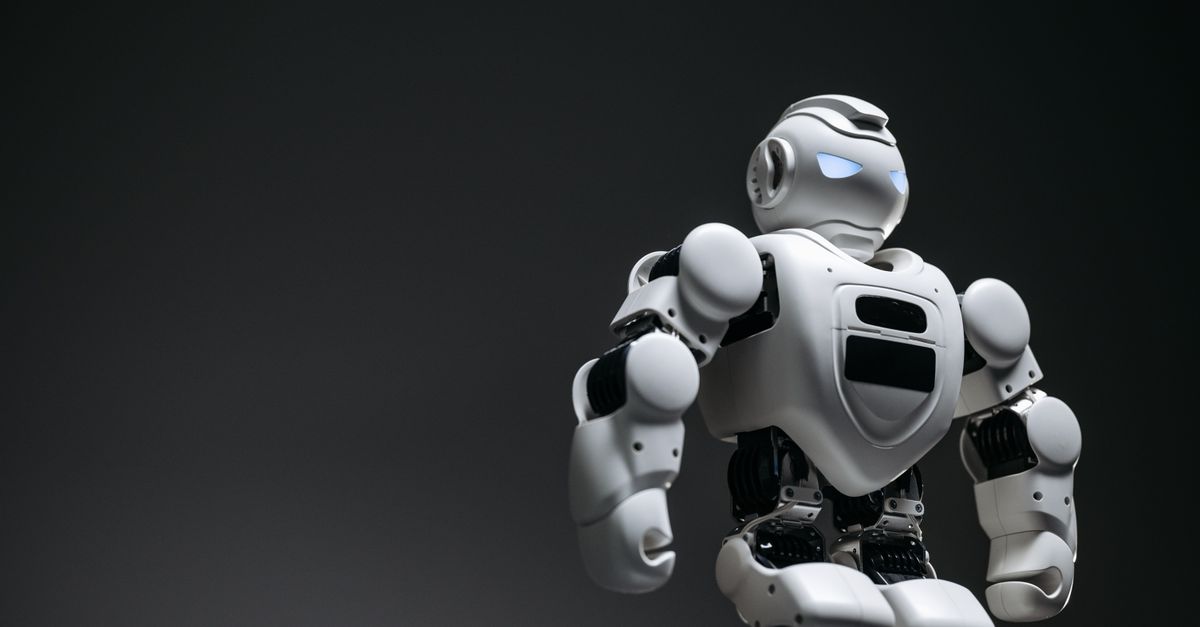
- Form Factor: While dimensions are not officially locked in the press releases, the general aesthetic aligns with the bipedal humanoid archetype.
Editorial Note: Without access to official spec sheets or independent third-party reviews, these claims remain unverified. In the absence of shipping hardware, we cannot confirm torque specifications, actuator types, or battery life. Until a unit is seen in operation outside a controlled demo environment, these specifications should be treated as targets rather than confirmed engineering parameters.
Deployment Status and Pilot Programs
The second tier of the grading system involves pilot deployments. Currently, there is no public evidence of the Phoenix operating in a commercial pilot program in India or internationally. There are no videos of the robot performing tasks in real-world logistics centers, warehouses, or service environments.
The lack of pilot deployment data significantly reduces the credibility of the dexterity claims. In the humanoid robotics industry, the gap between a demo video and a 24/7 operational unit is substantial. We are waiting for evidence of the Phoenix handling: 1) Variable lighting conditions, 2) Physical wear and tear, and 3) Complex interaction with human users.
India Availability and Pricing
As of this publication, the Sanctuary Phoenix is not available for purchase in India. There are no authorized distributors, no local service centers, and no import documentation available for the Phoenix unit. This is consistent with the "Announcement Phase" classification.
Estimated Pricing: Speculative analysis of the humanoid robotics market suggests that general-purpose humanoids in the early shipping phase often carry a landed cost between ₹1.5 Crore and ₹4 Crore (USD 180,000 to USD 480,000). However, without official pricing from Sanctuary AI, this figure remains a market estimate based on competitors like Tesla Optimus or Agibot X1. It is important to flag that this estimate is not confirmed and should not be used for budgeting.
Landed Cost Factors: For Indian enterprises considering the Phoenix (once available), the following factors will influence the final cost:
- Import duties on robotics components (currently high for precision actuators).
- Customs clearance and regulatory compliance (BIS standards).
- Service contracts and spare part availability in India.
Market Context and Competitive Landscape
The Phoenix enters a crowded field. Competitors such as Figure AI, Tesla, and Agibot have moved closer to shipping hardware. Sanctuary AI's Phoenix must demonstrate not just dexterity, but reliability and cost-effectiveness to compete. The Indian market, with its focus on cost-sensitive automation, requires robots that can deliver ROI within 2-3 years. Given the Phoenix's current announcement status, the ROI calculation is purely theoretical.
Furthermore, the regulatory environment in India regarding humanoid robots is still evolving. Safety certifications and liability frameworks are not yet fully standardized. This adds a layer of risk for any Indian entity considering early adoption of the Phoenix.
Conclusion and Editorial Rating
The Sanctuary Phoenix represents a significant ambition in the humanoid robotics space, aiming to bridge the gap between AI safety and physical embodiment. However, from a strict editorial perspective grounded in hardware reality:
- Shipping Hardware: None confirmed.
- Pilot Deployments: None confirmed.
- Announcements: Active.
Until Sanctuary AI releases verified spec sheets and shipping units, the Phoenix remains a project of interest but not a product of execution. Indian enterprises are advised to monitor announcements closely but avoid committing to capital expenditures until physical units are verified in the field.
References
The following sources were reviewed during the preparation of this article. Due to the pre-commercial status of the Phoenix, specific product documentation is limited to general company communications.
- Sanctuary AI Official Website - Company overview and strategic announcements.
- RobotWale Humanoid Robotics Library - Industry classification standards.
- Ministry of Electronics and Information Technology (MeitY) - Robotics import guidelines.
✓ Key takeaways
- •Hands-on view of Sanctuary Phoenix: Evaluating Claims for a General-Purpose Humanoid in the Announcement Phase inside our Sanctuary Phoenix library.
- •Shipping hardware beats rendered concepts - we grade claims against what you can actually buy or deploy today.
- •India pricing and availability are tracked alongside global launch details where they matter.
References
Related articles
More in Sanctuary Phoenix →