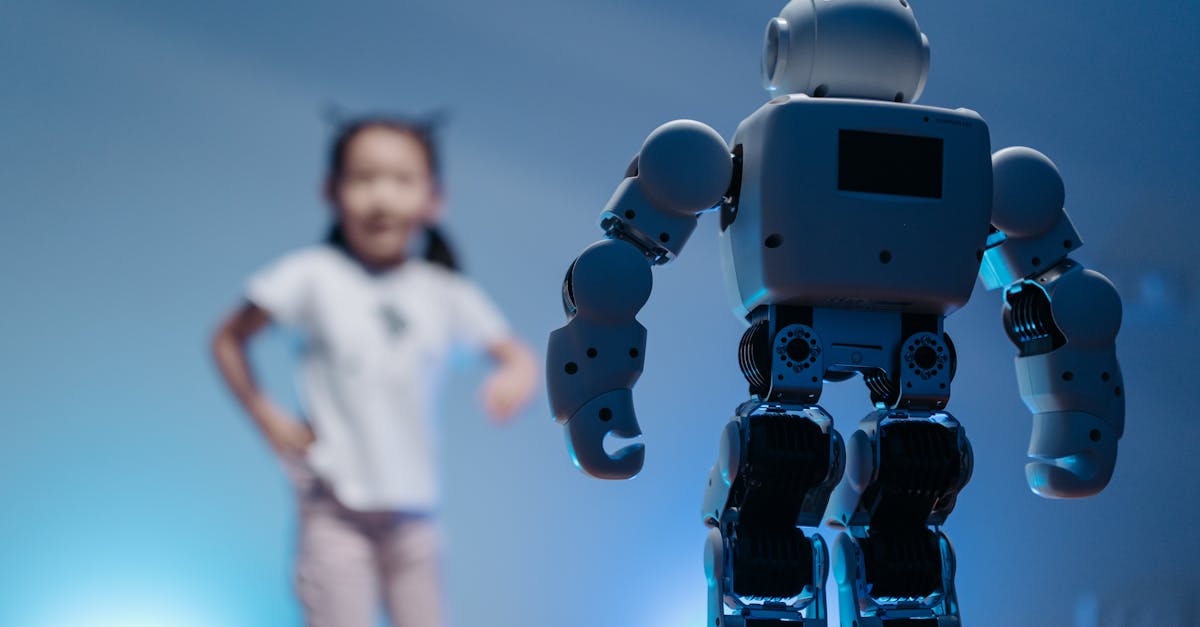
Unitree H1 & G1: Assessing the Value of China’s Affordable Humanoids
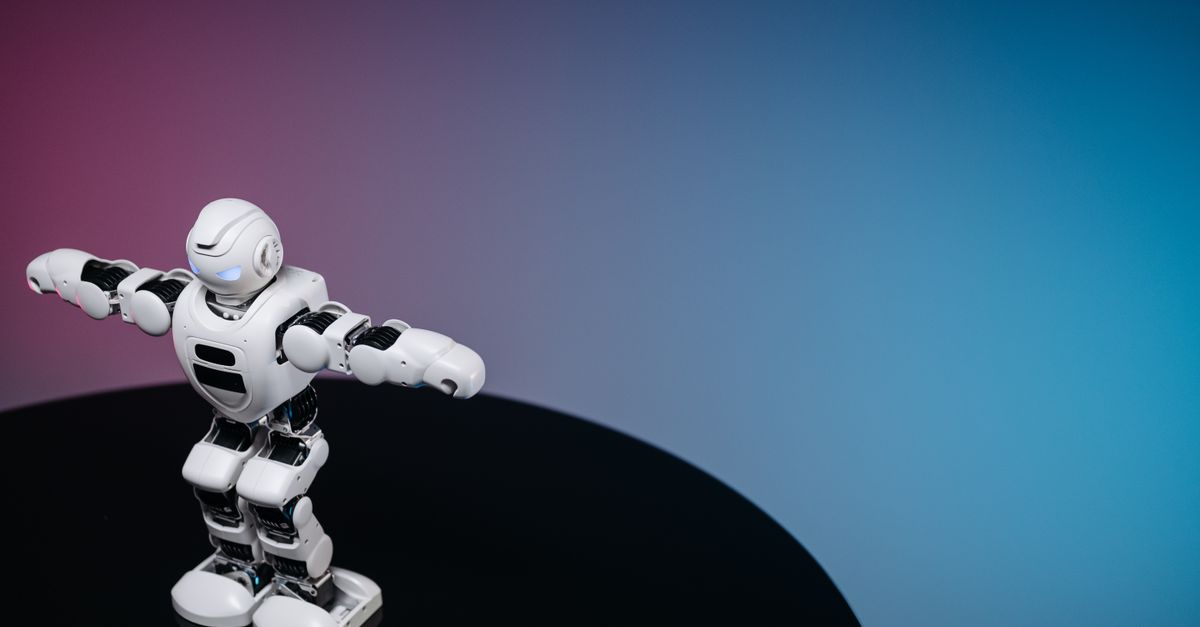
Market Entry and Hardware Strategy
Unitree Robotics, a Shenzhen-based manufacturer primarily known for its quadruped platforms, entered the humanoid sector with a focus on cost-efficiency and technical performance. Unlike many competitors that rely on renderings or prototype announcements, Unitree’s H1 and G1 models have transitioned into the shipping category, offering tangible hardware for research and development. This analysis focuses on verified specifications, deployment data, and the realistic cost structure for organizations looking to integrate these systems.
Unitree H1: The High-Performance Research Platform
The H1 represents Unitree’s flagship all-electric humanoid. Unveiled in late 2023, the H1 distinguishes itself through its actuation density and power-to-weight ratio. The robot stands approximately 1.75 meters tall and weighs roughly 70 kilograms. Its design prioritizes dynamic motion over static humanoid aesthetics, featuring a simplified face and exposed structural components in many configurations.
Technical Specifications
- Height: 1.75 meters
- Weight: ~70 kg (without hands)
- Max Walking Speed: Up to 10 km/h (in lab conditions)
- Actuation: All-electric, with high-torque joint motors
- Endurance: Approximately 45 minutes per charge
The H1 is equipped with 40 degrees of freedom (DoF), allowing for complex mobility including running, jumping, and recovering from pushes. However, it is important to note that the H1 is primarily marketed towards research institutions rather than consumer deployment. The hardware is designed for algorithm training rather than long-term commercial service tasks.
Unitree G1: The Accessible Research Tool
Released shortly after the H1, the G1 targets a significantly lower price point while retaining core mobility features. The G1 is shorter at 1.27 meters and weighs around 22.6 kilograms. This reduction in scale directly impacts the cost of the actuation hardware and the battery capacity required.
Technical Specifications
- Height: 1.27 meters
- Weight: ~22.6 kg
- Max Walking Speed: Up to 8 km/h
- Configuration: Available with or without hands
The G1 has been widely adopted in university robotics labs due to its affordability. It supports standard ROS (Robot Operating System) integration, making it a viable tool for teaching and development. Unlike the H1, the G1 is more suited for indoor environments due to its lower weight and reduced power consumption.
Commercial Viability and Pricing
The most significant differentiator for the Unitree H1 and G1 is pricing. The H1 was initially listed at approximately $90,000 USD. This places it below traditional industrial arms and high-end research platforms, though significantly above consumer-grade toys. The G1 has been priced between $4,000 USD for the base version and up to $9,000 USD for the version equipped with hands.
This pricing strategy disrupts the industry standard. Competitors like Boston Dynamics’ Atlas (historically) or Tesla’s Optimus (in its prototype phases) have not publicly confirmed commercial pricing for equivalent capabilities. By offering a hardware solution at these price points, Unitree has forced the market to re-evaluate the cost of research-grade mobility.
India Availability and Cost Estimation
For Indian research labs, universities, and enterprises, the landed cost involves more than just the USD conversion. Import duties for robotics fall under the HSN code 8505, with customs duties varying between 10% to 25% depending on the classification. Additionally, the Goods and Services Tax (GST) in India is applicable at 18% for high-tech machinery.
Estimates for the landed cost in India are as follows:
- Unitree G1: Approximately ₹3.5 to ₹5.5 Lakhs (Base to Hands Config)
- Unitree H1: Approximately ₹85 to ₹95 Lakhs
Note: These figures are estimates based on current exchange rates (approx. ₹83/$) and regulatory duties. Actual costs may vary based on the importer, shipping method, and specific exemptions for educational institutions.
Deployment Status and Real-World Data
While the H1 has demonstrated the ability to run and recover from falls in video demos, independent verification of its stability in unstructured environments remains limited. The robot is currently shipping to research partners globally. There is no public data confirming large-scale commercial pilot deployments in factories or public spaces as of early 2024.
The G1, conversely, has seen broader adoption in academic settings. It has been utilized for gait analysis and reinforcement learning research. However, like many robots in this class, the software stack requires significant customization for specific tasks. The hardware does not offer out-of-the-box general-purpose manipulation capabilities comparable to advanced arms like the Humane or Tesla Optimus in their mature forms.
Competitive Landscape Analysis
The H1 and G1 compete directly with other all-electric humanoids. The primary comparison lies with the Tesla Optimus Prototype, the Agility Robotics Digit (though Digit is quadrupedal), and the Figure 01. While Tesla emphasizes AI integration and Figure emphasizes manipulation, Unitree emphasizes mechanical robustness at a lower price point.
However, critics point out that the H1 and G1 rely heavily on open-source software ecosystems. Unlike closed-loop systems offered by some competitors, Unitree provides access to hardware interfaces, which requires a higher level of engineering expertise from the end user. This accessibility reduces the barrier to entry but increases the operational complexity.
Conclusion
The Unitree H1 and G1 represent a shift in the humanoid robot industry towards affordability without sacrificing core mobility. They are not yet replacement solutions for general-purpose labor but serve as critical tools for advancing the underlying technology. For Indian entities seeking to enter the humanoid space, the G1 offers a viable entry point, while the H1 remains a high-cost research investment. Continuous monitoring of their deployment updates is recommended before committing to long-term integration strategies.
✓ Key takeaways
- •Hands-on view of Unitree H1 & G1: Assessing the Value of China’s Affordable Humanoids inside our Unitree H1 & G1 library.
- •Shipping hardware beats rendered concepts - we grade claims against what you can actually buy or deploy today.
- •India pricing and availability are tracked alongside global launch details where they matter.
References
Related articles
More in Unitree H1 & G1 →