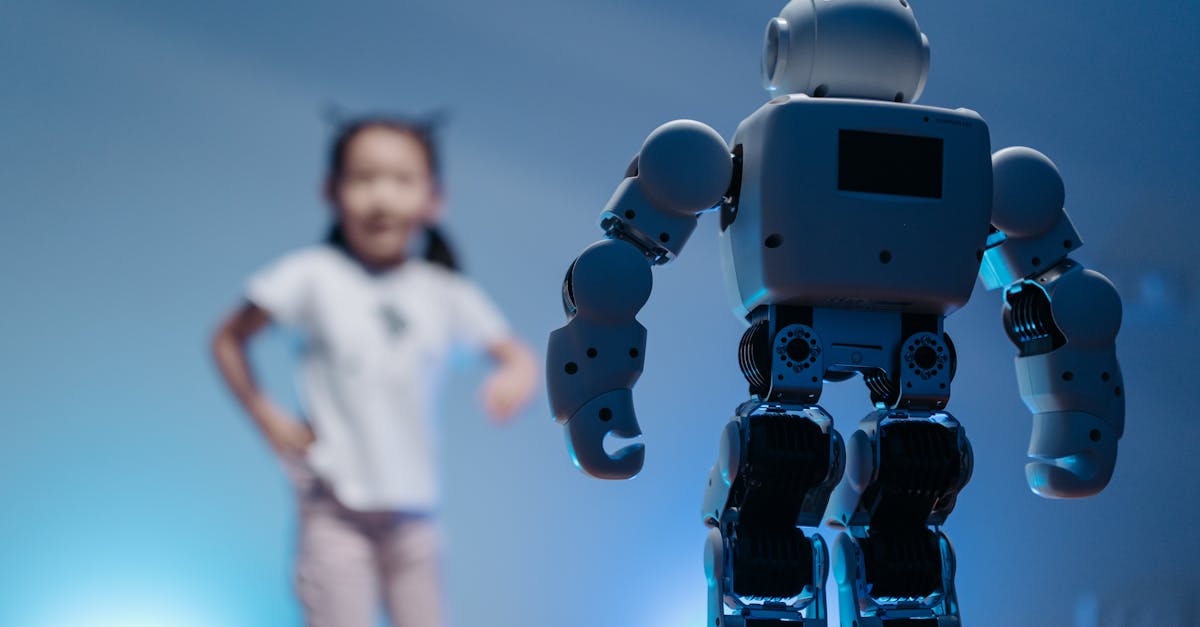
Unitree H1 & G1: Shattering Humanoid Price Points in 2024

The Shift from Concept to Shipping Hardware
In the volatile landscape of humanoid robotics, Unitree Robotics has emerged as a significant disruptor. While many global competitors remain locked in beta testing or funding rounds, Unitree has moved aggressively toward volume production. Their H1 and G1 models represent a stark departure from the "rendered-concept" era of robotics marketing. This article evaluates the H1 and G1 based on available shipping hardware, pilot deployments, and manufacturer specifications, with a specific focus on their viability within the Indian market.
The industry has spent years dreaming of general-purpose robots. Unitree’s strategy suggests that utility comes from affordability. By leveraging their background in quadruped robots (the B2 and Go2 series), they have applied proven actuator technology to bipedal platforms. This is not speculation; these are hardware units currently shipping to research institutions and select industrial partners.
Unitree H1: High-Torque Performance at a Disruptive Price
The Unitree H1 is a full-scale humanoid robot standing at 1.8 meters tall and weighing approximately 58 kilograms. It is designed for dynamic movement and heavy-load tasks, distinguishing itself from the static, slow-moving prototypes often seen at trade shows.
Technical Specifications and Capabilities
According to Unitree’s official specification sheets, the H1 features 23 degrees of freedom (DOF). The actuator system is a key differentiator. It utilizes high-torque joint actuators capable of supporting rapid running and dynamic recovery. In independent demonstrations and factory videos, the H1 has been observed performing backflips, maintaining balance under external pushes, and navigating uneven terrain.
- Height: 1.8 meters
- Weight: 58 kg
- DOF: 23
- Max Speed: Capable of running up to 1.8 m/s in testing environments
- Battery Life: Approximately 2 hours of dynamic operation (varies by task)
While the backflip capability generates significant media attention, the commercial value lies in stability and torque output. The robot is built with a focus on open-source friendliness, allowing developers to access low-level control interfaces. This is critical for industrial integration where custom grippers or end-effectors are required.
Pricing and Availability
For much of 2023, the H1 was priced around $96,000 USD. However, recent announcements indicate a strategic price reduction to approximately $60,000 to $90,000 USD depending on the configuration (standard vs. high-performance). This pricing places it in a unique bracket: significantly cheaper than Boston Dynamics’ Atlas (which is not commercially sold) or Tesla’s Optimus (which remains in early pilot phases), yet significantly more expensive than educational quadrupeds.
As of early 2024, the H1 is in production. Shipping units have been delivered to select research labs. However, for general commercial deployment, lead times remain a constraint. It is not currently a plug-and-play solution for standard manufacturing floors without significant engineering integration.
Unitree G1: The Entry-Level Disruptor
If the H1 targets heavy industry and research, the G1 targets the education, R&D, and light commercial sectors. Unveiled at CES 2024, the G1 is a smaller, lower-cost alternative that maintains the core kinematic architecture of the H1 while reducing costs.
Technical Specifications and Capabilities
The G1 stands at 1.1 meters tall and weighs around 26 kilograms. It is equipped with 13 or 25 DOF depending on the configuration. The focus here is on accessibility. The robot is designed to be a research platform rather than a heavy-duty loader.
- Height: 1.1 meters
- Weight: 26 kg
- DOF: 13 to 25
- Max Payload: Approximately 1 kg (varies by joint configuration)
- Battery Life: Approximately 2 hours
The G1’s most significant feature is its price point. Unitree has announced a base price of approximately $9,990 USD, with full configurations reaching closer to $20,000 USD. This price point is closer to high-end industrial arms than humanoids, effectively democratizing access to bipedal locomotion for universities and small research startups.
Unlike the H1, the G1 is heavily marketed toward the developer community. It features an open hardware architecture, allowing for easier modification of the control stack. This has led to rapid adoption in academic settings, where the goal is to train AI models for locomotion rather than immediate physical labor.
India Availability and Landed Cost Analysis
For Indian enterprises and research institutions, the cost of importing these robots involves more than the USD sticker price. The Indian robotics market is currently defined by high import duties on electronic components and finished machinery.
Estimated Landed Costs
To determine the viability of these units in India, we must calculate the landed cost. This includes the CIF (Cost, Insurance, Freight) value, Basic Customs Duty (BCD), and Goods and Services Tax (GST).
- Unitree H1: At a base price of $60,000 USD (approx. ₹50 Lakhs INR), adding 10-15% logistics and insurance brings it to ₹55 Lakhs. Import duties for robotics can range from 10% to 25% depending on the HS Code classification. GST is currently 18%. A conservative landed cost estimate for the H1 in India is between ₹70 Lakhs and ₹85 Lakhs INR.
- Unitree G1: At a base price of $9,990 USD (approx. ₹8.5 Lakhs INR), the landed cost including duties and GST is estimated between ₹14 Lakhs and ₹18 Lakhs INR.
Note: These figures are estimates based on current GST and customs structures. Actual costs may vary based on the specific HS classification of the end-product and ongoing trade agreements.
Despite the high entry cost for the H1, the G1 offers a compelling value proposition for Indian R&D labs. It provides a pathway to humanoid research without the capital expenditure of a multi-million dollar industrial arm.
Competitive Landscape and Reality Check
The arrival of the H1 and G1 forces competitors to justify their valuations. Tesla’s Optimus Robot remains a high-priority project for the company, but as of early 2024, it has not demonstrated a commercial price point or widespread deployment outside of Tesla’s own facilities. Figure AI and 1X Technologies are in similar positions, focusing on pilot deployments with automotive manufacturers.
The Unitree advantage lies in their supply chain control. Having manufactured over 50,000 quadruped robots, they have established a manufacturing ecosystem for high-performance actuators. This vertical integration allows them to price the H1 and G1 aggressively.
Deployment Realities
While the specifications are impressive, the deployment reality is nuanced. The H1 is not yet a replacement for a human worker in a general assembly line. It requires a controlled environment or significant safety infrastructure. The G1 is even more limited to research tasks.
Current independent reporting indicates that these robots are primarily used for:
- Research and Development: Training reinforcement learning models for balance.
- Education: Engineering curricula in robotics programs.
- Light Logistics: Moving small objects in structured environments.
Heavy lifting or complex manipulation in unstructured environments remains a challenge for the current generation, including the H1. The robot’s dexterity is improving, but it lags behind human hands in manipulation tasks.
Strategic Implications for the Indian Market
India’s automation sector is looking for cost-effective solutions to address labor shortages in manufacturing and warehousing. The H1 and G1 present a middle ground between expensive European/Japanese arms and low-cost cobots.
For Indian startups, the G1 is the more viable entry point. It allows for experimentation with humanoid locomotion without breaking the bank. For large enterprises, the H1 represents a strategic bet on the future of bipedal mobility.
However, regulatory frameworks regarding autonomous mobile robots (AMR) and humanoid safety standards are still evolving in India. Before deploying the H1 in a factory, compliance with the Factories Act and machine safety standards will be mandatory. This adds a layer of cost and engineering effort beyond the hardware purchase.
Conclusion: Hardware First, Hype Second
The Unitree H1 and G1 represent a pivotal moment in the humanoid robotics industry. They move the conversation from "if" these robots will arrive to "how" they will be integrated. By offering shipping hardware at competitive price points, Unitree is driving price competition that will likely force other manufacturers to accelerate their timelines.
For the Indian market, the G1 offers an accessible gateway to humanoid research, while the H1 offers a glimpse into high-performance industrial automation. However, buyers must approach these purchases with clear use cases. The technology is advanced, but it is not yet a universal solution. As the industry matures, the distinction between research platforms and commercial workhorses will become increasingly sharp.
Unitree’s aggressive pricing suggests they are prioritizing market share and ecosystem growth over immediate profitability on hardware. For customers and investors, this means the ecosystem around these robots will grow rapidly, potentially lowering long-term costs for software, maintenance, and accessories.
As of 2024, the choice is clear: if you are looking for a robot that currently ships and has a price sheet, Unitree is one of the few options available globally. The question remains whether the market can absorb the cost of deployment in the near term.
References
1. Unitree Robotics Official Website - H1 Specifications
2. Unitree Robotics Official Website - G1 Specifications
3. TechCrunch - Unitree H1 and G1 Price Reveal
✓ Key takeaways
- •Hands-on view of Unitree H1 & G1: Shattering Humanoid Price Points in 2024 inside our Unitree H1 & G1 library.
- •Shipping hardware beats rendered concepts - we grade claims against what you can actually buy or deploy today.
- •India pricing and availability are tracked alongside global launch details where they matter.
References
Related articles
More in Unitree H1 & G1 →