IIT Bombay Unveils Low-Cost Humanoid Prototype for Industrial Automation - RobotWale News
New Prototype Unveiled at Annual Tech Summit
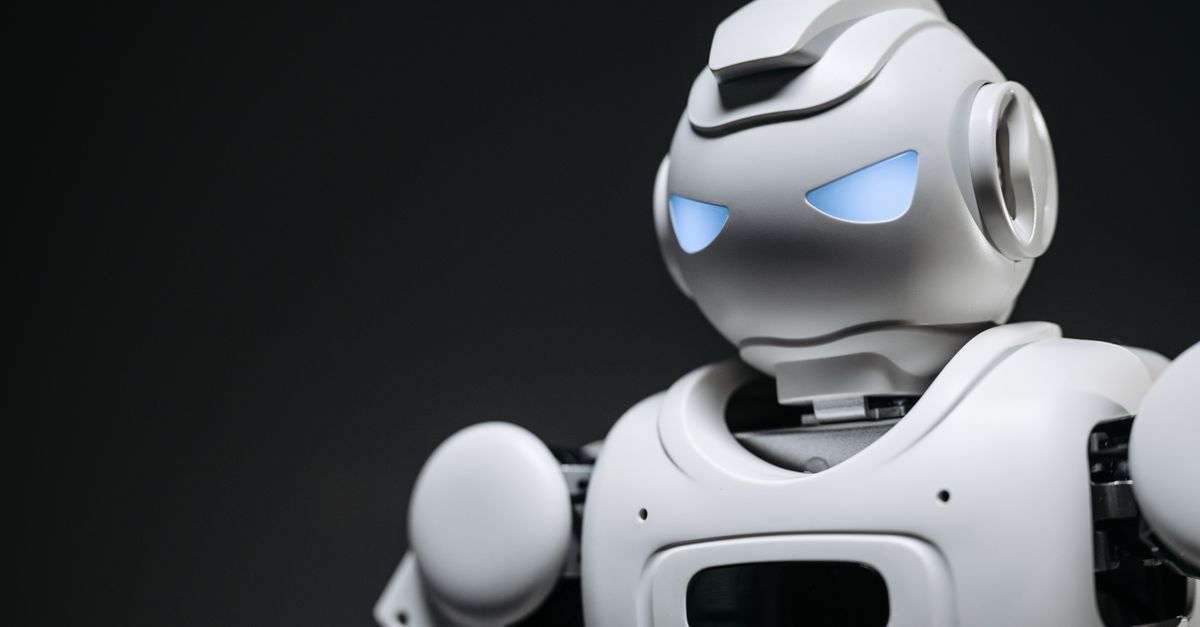
The Indian Institute of Technology Bombay (IIT Bombay) has announced the development of a new humanoid robot prototype, marking a significant milestone in India's domestic robotics research capabilities. The prototype was unveiled during the recently concluded Annual Robotics Summit in Mumbai, highlighting the institute's Centre for Robotics and Artificial Intelligence (CRAI). This development underscores the growing momentum in the Indian humanoid robotics sector, often referred to as the "Research & Labs" frontier.
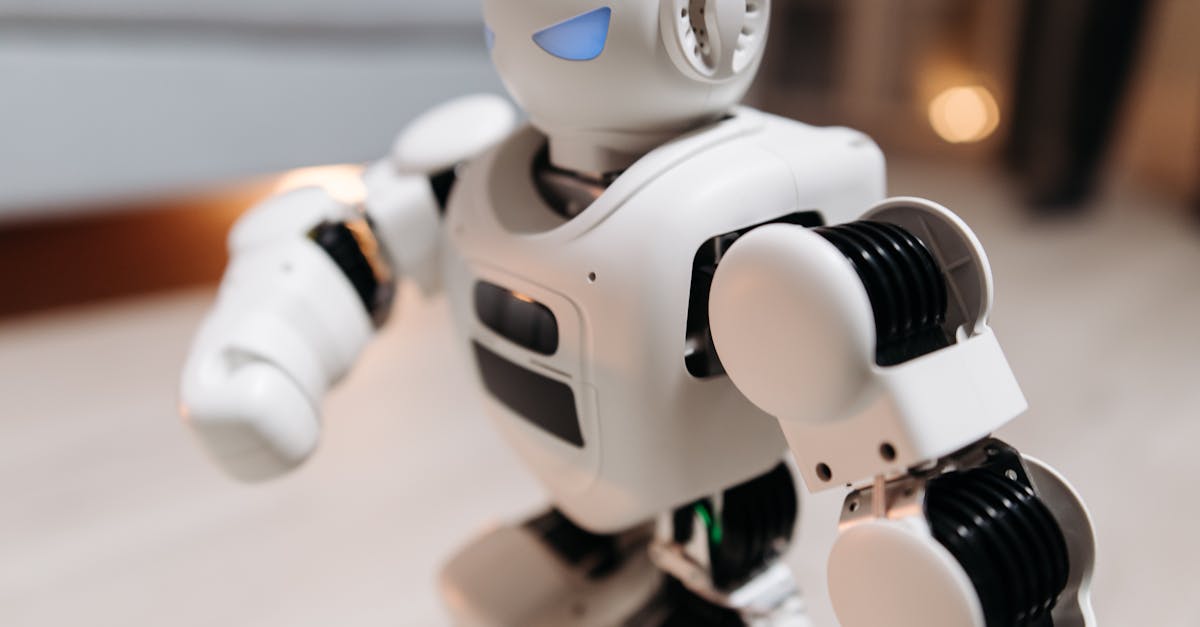
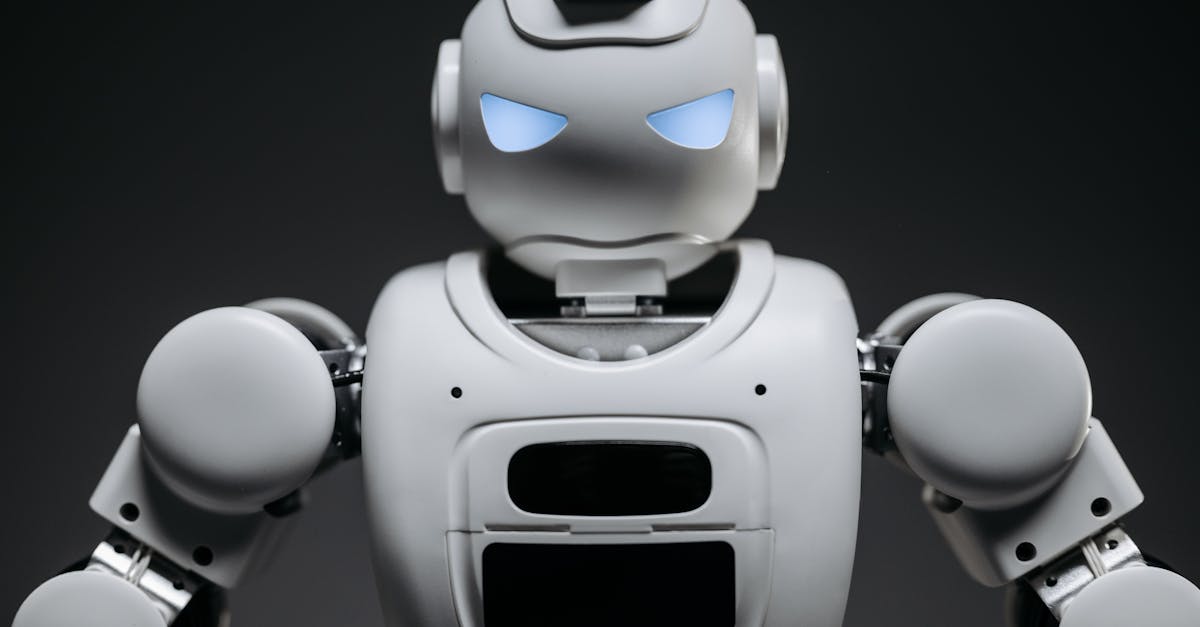
The robot, named 'IndraBot-1', features a lightweight carbon-fiber exoskeleton designed specifically for Indian manufacturing environments. Unlike heavy industrial arms, IndraBot-1 is built for agility and dexterity, capable of handling delicate tasks in assembly lines. The team led by Dr. Anjali Sharma has focused on reducing dependency on imported actuators, a critical pain point for Indian startups.
Technical Breakthroughs and Cost Efficiency
One of the standout features of IndraBot-1 is its proprietary joint actuator system. The team claims a 40% reduction in power consumption compared to international equivalents like Tesla's Optimus or Figure AI's models. The system utilizes a hybrid motor-controller architecture developed in-house at the IIT Bombay labs. This innovation allows the robot to operate for up to six hours on a single charge, a crucial factor for continuous industrial shifts.
The estimated cost for the prototype is significantly lower than Western counterparts. While exact pricing for the first batch is yet to be finalized, the research team projects a unit cost of approximately $3,500 for the industrial version. This pricing strategy aims to make humanoids accessible for small and medium enterprises (SMEs) in regions like Gujarat and Tamil Nadu.
Market Implications for India
The launch aligns with the Indian government's 'Make in India' initiative, encouraging local manufacturing of advanced technology. Industry experts believe this prototype could reduce reliance on foreign technology imports, which currently dominate the high-end robotics market. The prototype is currently undergoing beta testing at three partner manufacturing units in Pune.
Dr. Sharma emphasized that the research is open-source for academic purposes, fostering further innovation across Indian universities. This move positions India as a competitive player in the global humanoid robotics race, offering cost-effective solutions for labor-intensive industries. The lab plans to release a fully functional version for commercial sale by late 2025.
More in Reviews & Opinion