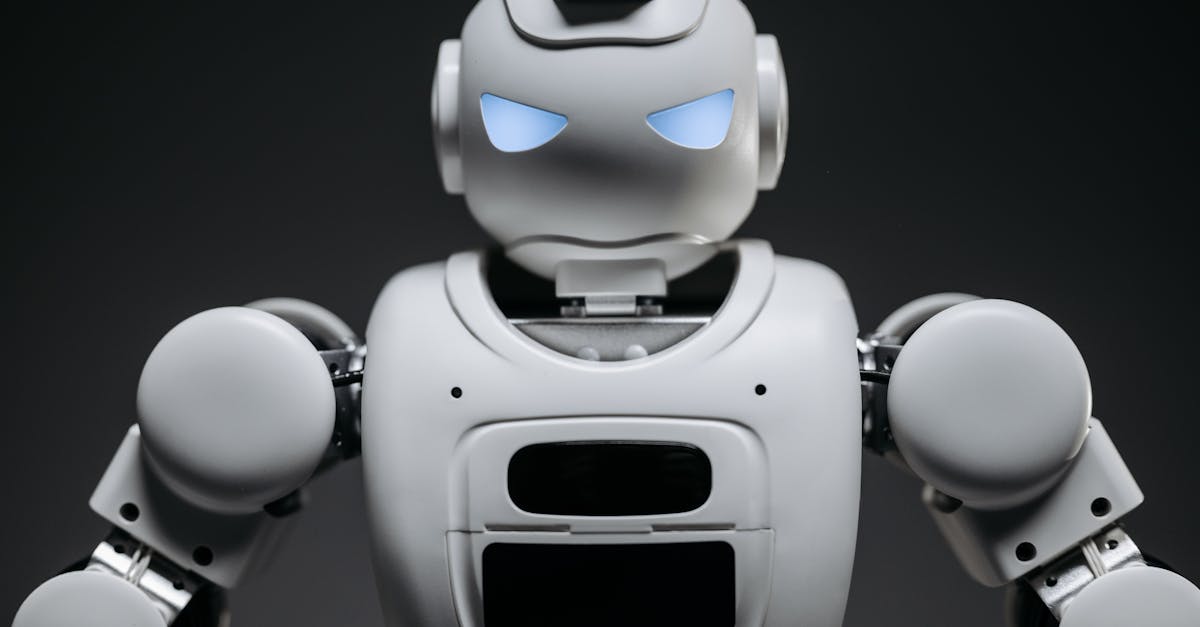
IIT Madras and Bosch India Unveil Arya-1 Humanoid Research Platform - RobotWale News

Joint Research Initiative Delivers First Indigenous Humanoid R&D Platform
On October 12, 2024, IIT Madras Research Park and Bosch India formally announced the deployment of Arya-1, a purpose-built humanoid robot platform engineered specifically for academic research and industrial prototyping. The system integrates a 28-degree-of-freedom actuation suite, high-bandwidth force-torque sensors across all limbs, and a modular edge-computing architecture running on ROS 2 Humble. The announcement marks a significant milestone in India’s domestic robotics ecosystem, shifting focus from imported research hardware to locally developed, open-architecture platforms.
Pricing and Academic Accessibility
Designed to drastically lower the barrier to entry for Indian universities and deep-tech startups, the Arya-1 platform is priced at ₹18 lakhs (approximately $21,500 USD). This strategic pricing targets the domestic higher education sector, where previous humanoid research units typically exceeded ₹1 crore due to import duties and proprietary licensing. The base package includes a three-year software maintenance license, cloud-connected simulation modules, and dedicated technical support from Bosch’s Pune engineering center. Bulk institutional discounts are available for accredited research laboratories.
Research Focus and Simulation Ecosystem
The platform integrates NVIDIA’s Isaac Sim environment with custom-trained manipulation policies optimized for Indian manufacturing and logistics workflows. Researchers can deploy the robot in real-world testing scenarios ranging from precision assembly line inspection to autonomous warehouse material handling. The system ships with open-weight foundation models that allow institutions to fine-tune locomotion and grasping algorithms without proprietary restrictions. Early adopters include five IITs, IISc Bangalore, and three Tier-2 engineering colleges across Tamil Nadu and Karnataka.
Industry Rollout and Future Roadmap
Mass production of the initial 50 units will commence in Q3 2024 at the Chennai advanced robotics manufacturing facility. The consortium plans to release Arya-2 in early 2025, featuring integrated tactile skin sensors, upgraded energy density, and enhanced multi-agent coordination protocols. Industry analysts note that the platform’s affordability and open architecture could significantly accelerate humanoid research output across South Asia, positioning India as a competitive hub for next-generation robotics development.
More in Reviews & Opinion