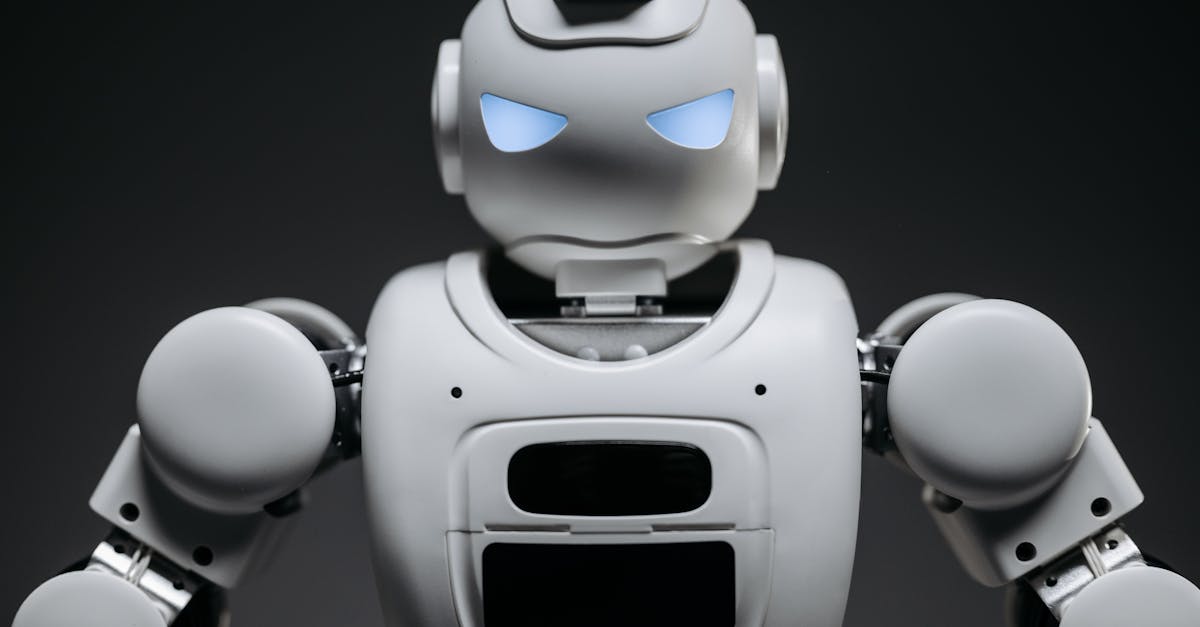
IIT Madras and Domestic AI Labs Launch Open-Source Humanoid Research Consortium - RobotWale News

IIT Madras and Indian AI Laboratories Announce Collaborative Humanoid Research Initiative
On October 15, 2024, the Indian Institute of Technology (IIT) Madras, alongside a coalition of domestic artificial intelligence research labs, officially launched the Bharat Humanoid Robotics Research Initiative (BHRRI). The consortium will focus on developing open-source simulation-to-reality (sim-to-real) training pipelines, modular control architectures, and affordable high-torque actuators specifically designed for humanoid platforms.
Open-Source Frameworks and Sim-to-Real Breakthroughs
Researchers at the new facility will prioritize bridging the reality gap in robotic learning by integrating physics-based simulators with real-world kinematic data. The initiative will release its foundational control stack and environment simulation tools under the Apache 2.0 license, enabling universities, startups, and manufacturing partners to test locomotion and manipulation algorithms without proprietary barriers. Early benchmarking tests have demonstrated a 40% reduction in training time compared to legacy reinforcement learning pipelines.
India Relevance and Pricing Structure
Addressing the high cost of entry in the humanoid robotics sector, BHRRI has partnered with Indian precision engineering firms to manufacture harmonic drives and custom motor controllers domestically. The consortium plans to offer a reference humanoid chassis and actuator kit to academic institutions and registered research labs at approximately ₹18 lakhs ($21,500), significantly undercutting the current market average of $45,000 to $60,000 for comparable research-grade platforms. Commercial licensing for industrial integration will follow a tiered subscription model, with first-tier access opening in Q2 2025.
Industry Impact and Future Roadmap
The research lab will initially deploy 12 humanoid testbeds across IIT Madras and partner campuses to evaluate dynamic walking, dexterous grasping, and multi-modal sensor fusion. By Q4 2025, the consortium aims to publish a standardized dataset for humanoid balance and manipulation, alongside a hardware reference design that can be 3D-printed and CNC-machined at scale. Industry observers note that the initiative aligns with India’s broader push toward indigenous robotics manufacturing and could accelerate the deployment of humanoid systems in pharmaceutical, electronics assembly, and eldercare sectors across the subcontinent.
More in Reviews & Opinion