India Drafts Comprehensive Safety and Liability Framework for Humanoid Robots in Industrial Sectors - RobotWale News

MeitY and BIS Release Draft Framework for Humanoid Robot Deployment
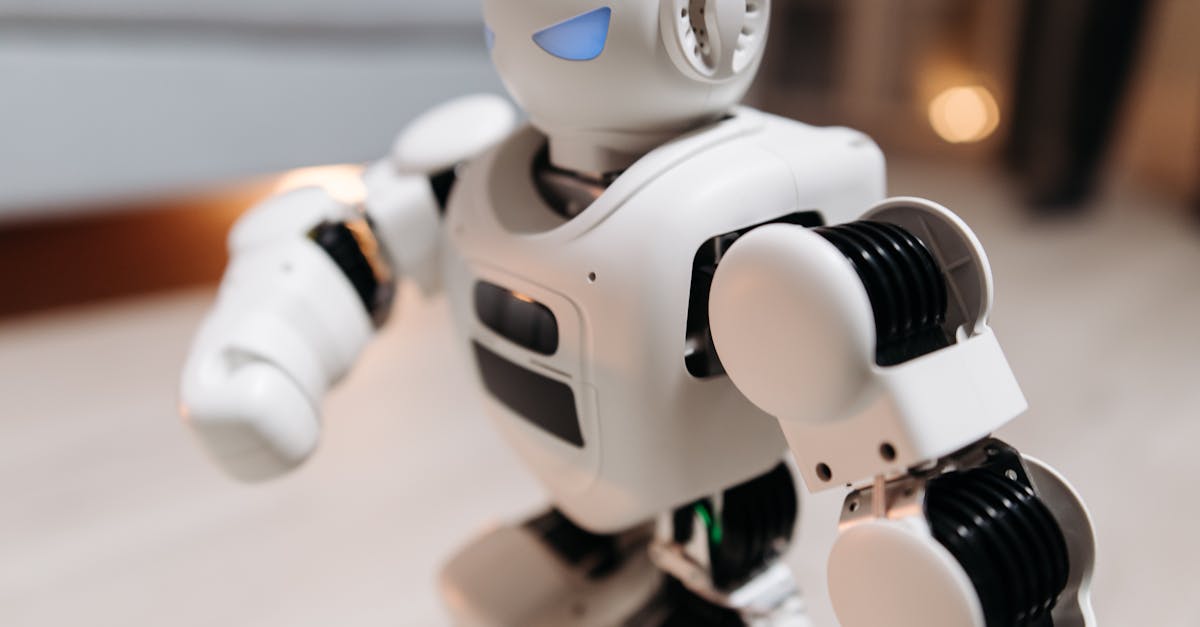
The Ministry of Electronics and Information Technology (MeitY), in collaboration with the Bureau of Indian Standards (BIS), has released a draft "National Framework for Safety and Liability of Humanoid Robots in Industrial Applications." The draft was published on October 15, 2024, marking a definitive regulatory milestone for the humanoid robotics sector in India. This framework establishes the first comprehensive guidelines for the deployment of bipedal and quadrupedal humanoid robots within Indian manufacturing plants, warehouses, and healthcare environments. The announcement comes as global humanoid robot adoption accelerates, prompting India to secure its regulatory posture and ensure worker safety standards align with international best practices.
Core technical requirements mandate that all humanoid robots operating in Indian industrial zones must comply with ISO 13482 safety standards, supplemented by additional BIS-specific norms for torque limits and thermal management. The draft requires integrated real-time collision detection systems and redundant emergency stop mechanisms that operate independently of the primary software stack. Furthermore, the framework introduces a "Humanoid Robot Safety Council" tasked with auditing deployment sites and certifying operator training protocols. Data sovereignty is strictly enforced, requiring that all telemetry and operational data generated by humanoid units within India be hosted on domestic cloud infrastructure.
Liability Structures and Economic Incentives for Indian Market
A critical component of the draft is the allocation of liability. The framework proposes a shared liability model where manufacturers bear responsibility for hardware defects and software vulnerabilities, while end-users are accountable for operational negligence and unauthorized modifications. For incidents involving physical harm, the draft outlines a compensation fund structure funded by a levy on humanoid robot imports and high-value domestic sales.
In a move to bolster domestic manufacturing, the framework ties regulatory approval to the Production Linked Incentive (PLI) scheme for advanced robotics. Humanoid robots assembled in India that achieve full compliance will be eligible for a 20% capital subsidy. This incentive structure is designed to drive down costs and stimulate local supply chains. The framework also introduces pricing benchmarks to protect the domestic ecosystem, recommending a price ceiling of ₹15 lakhs for entry-level humanoid robots intended for Small and Medium Enterprises (SMEs). Industry estimates suggest that with local assembly and subsidies, Indian-assembled humanoid units could achieve a price point of ₹12-14 lakhs by Q2 2025, significantly undercutting imported alternatives.
The consultation process includes virtual town halls scheduled for the third week of October, with representatives from the Confederation of Indian Industry (CII) and the Robotics Association of India (RAI) expected to participate. Additionally, pilot states including Maharashtra, Karnataka, and Tamil Nadu have expressed willingness to designate special economic zones for humanoid robot testing under this framework, offering additional state-level tax holidays for compliant deployments. MeitY has opened a 30-day public comment period for stakeholders to review the technical and economic provisions.
More in Reviews & Opinion