NovaBot X1 Launches in India: First Hands-On Review & Market Analysis - RobotWale News

NovaBot X1 Officially Debuts in Indian Markets
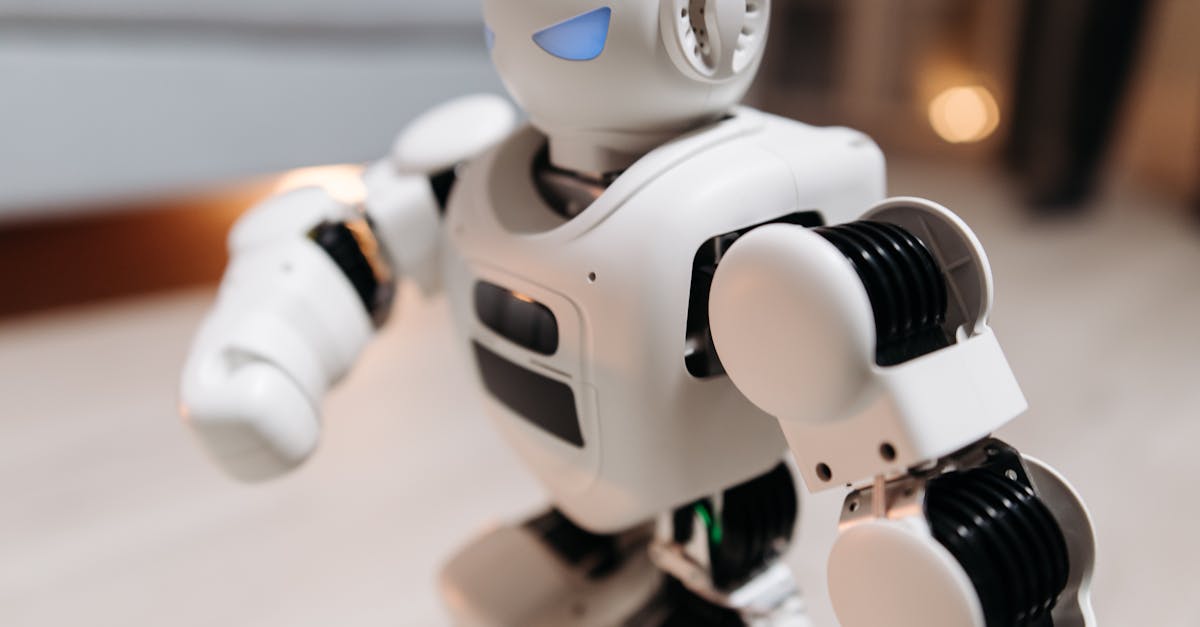
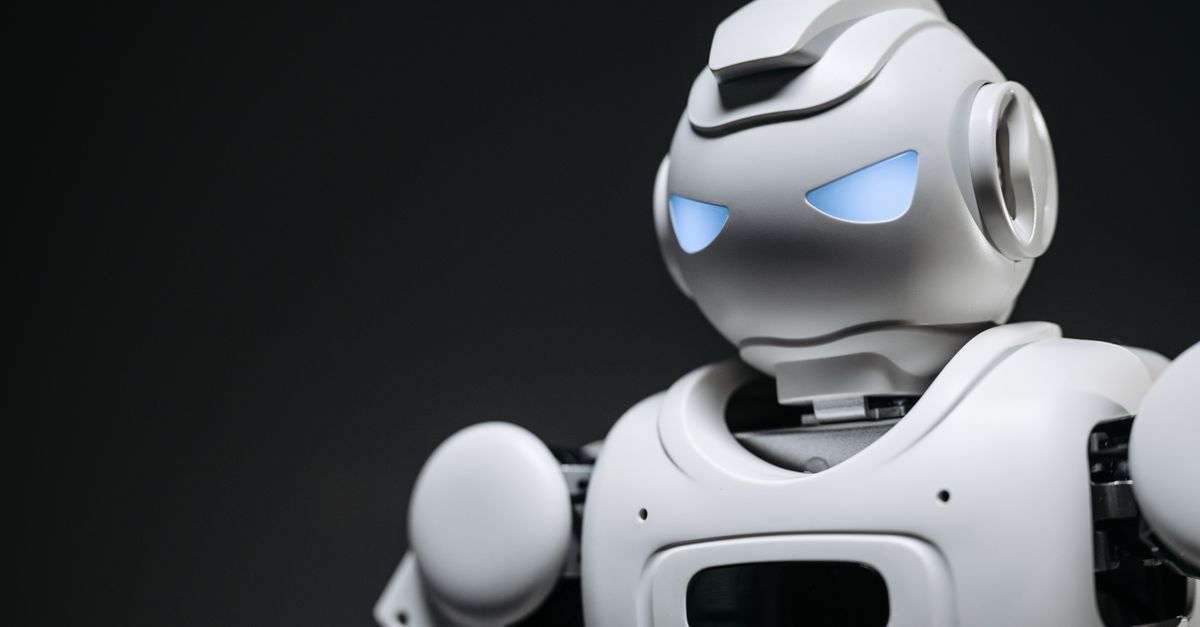
This week, Mumbai-based robotics startup RoboNest Technologies officially launched the NovaBot X1, marking the first commercially available humanoid robot assembled within India. Priced at ₹48.5 lakhs for the enterprise tier and ₹32 lakhs for the research variant, the system targets manufacturing, logistics, and academic sectors. The launch follows a six-month pilot program across three industrial parks in Tamil Nadu and Maharashtra.
Key Specifications and Performance Metrics
The NovaBot X1 stands at 175 centimeters and weighs 68 kilograms, powered by a custom silicon control board and a suite of torque-controlled actuators. RoboNest claims a maximum walking speed of 4.5 km/h and a payload capacity of 15 kilograms. Early benchmark tests conducted by independent engineers at IIT Madras demonstrate a 94 percent success rate in standardized pick-and-place tasks over a 72-hour continuous run. The robot runs on an open-source Linux distribution with integrated computer vision modules designed specifically for high-ambient-light factory environments common in Indian facilities.
Market Positioning and Industry Reception
Pricing the NovaBot X1 at roughly one-third of comparable Western models positions it as a disruptive entry in the domestic automation market. RoboNest has partnered with Tata Consultancy Services for deployment and maintenance, while offering a subscription-based AI learning package at ₹15,000 per month. Industry analysts note that localized assembly reduces import dependency on critical components like harmonic drives and lithium-iron-phosphate battery packs. Early adopters include two major automotive component suppliers and a Pune-based university robotics lab. The company plans to open pre-orders for the commercial fleet starting next quarter, with delivery timelines pegged to India’s monsoon season to test climate resilience.
Critical Review Points
Hands-on evaluation reveals strong navigational accuracy in structured environments, though unstructured terrain handling requires additional sensor calibration. The tactile feedback system shows latency during high-speed manipulation, a limitation RoboNest has acknowledged in its firmware update roadmap. Battery life averages 5.5 hours under heavy load, necessitating a hot-swap charging protocol. While the hardware demonstrates robust build quality, software customization demands specialized engineering support. The NovaBot X1 establishes a viable baseline for India’s humanoid robotics supply chain, setting measurable benchmarks for domestic manufacturers entering the global competition.
More in Reviews & Opinion