Unitree G1 Humanoid Robot Launch: A Game-Changer for Indian Robotics Markets - RobotWale News

Unitree Unveils G1 Humanoid at Record-Breaking Price
On November 21, 2024, Hangzhou-based robotics company Unitree Robotics officially launched the G1 humanoid robot, marking a pivotal shift in the industry’s affordability trajectory. Priced at a disruptive $16,000 for the basic model and $36,000 for the advanced version equipped with a dexterous hand, the G1 immediately captured global attention. The launch positions Unitree as a direct competitor to established players like Tesla and Figure AI, while introducing unprecedented cost efficiency to a sector historically dominated by multi-million-dollar prototypes.
Technical Capabilities and Performance Review
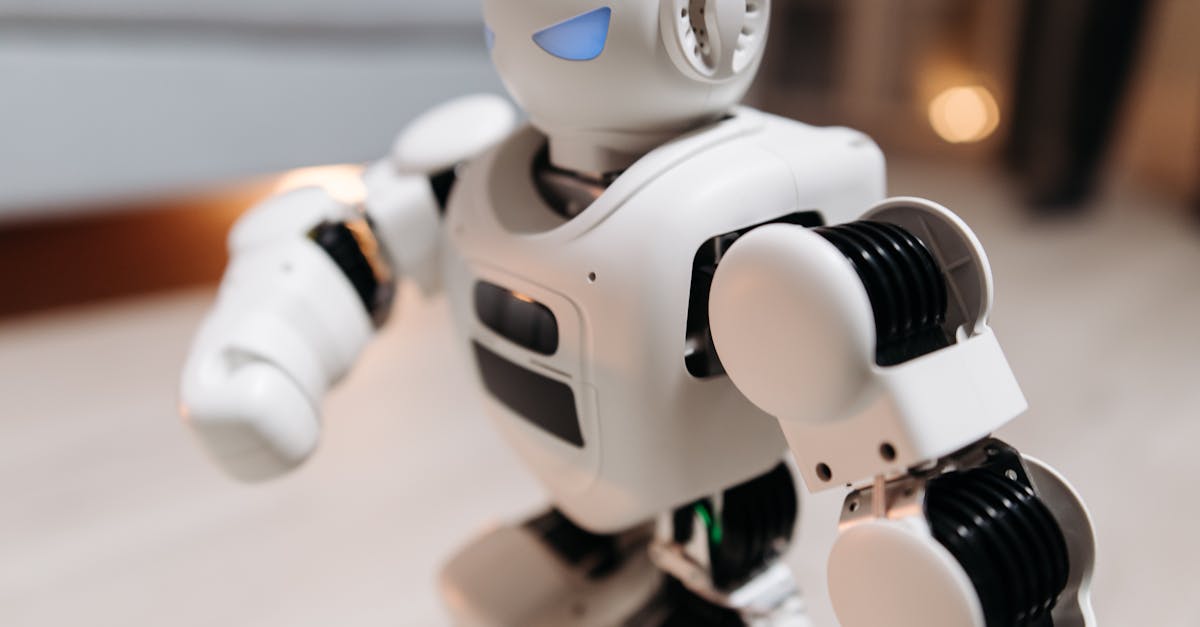
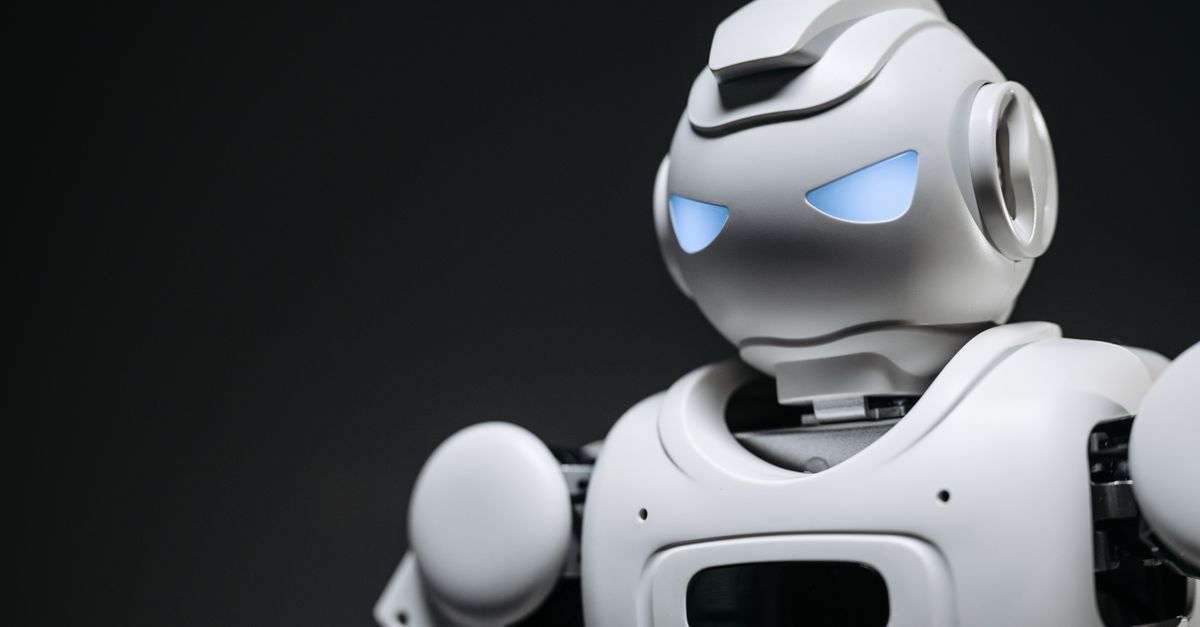
RobotWale’s initial hands-on evaluation of the G1 reveals a highly agile platform capable of dynamic locomotion, including running at 2.2 meters per second and performing backflips. The robot features a 43-degree-of-freedom actuator system, enabling precise manipulation of everyday objects. Its onboard computing setup leverages NVIDIA’s Orin platform, delivering robust real-time processing for navigation and computer vision tasks. The modular design allows developers to swap end-effectors and integrate custom AI models, making it particularly appealing for research institutions and early commercial adopters. While the basic unit lacks the advanced tactile feedback of higher-tier models, its core mobility and software stack demonstrate remarkable engineering maturity for its price bracket.
Indian Market Implications and Pricing
For India’s rapidly growing robotics ecosystem, the G1’s introduction carries significant weight. At current exchange rates, the base model translates to approximately ₹13.3 lakhs, while the advanced variant sits around ₹30 lakhs. This pricing structure could accelerate humanoid adoption across Indian manufacturing, logistics, and research sectors. Local integrators are already exploring partnerships to localize assembly and adapt the robot for monsoon-resistant outdoor operations and vernacular AI interfaces. Industry analysts predict that domestic startups may leverage the G1’s open architecture to develop cost-effective automation solutions for tier-2 and tier-3 cities, where labor shortages and rising wages are driving demand for physical AI. The Indian government’s ongoing push for domestic semiconductor and robotics manufacturing under the PLI scheme further aligns with this shift. As humanoid robots transition from laboratory curiosities to commercial tools, the G1’s launch signals a new era of accessible robotics for Indian enterprises, with pilot deployments expected across Chennai and Bangalore industrial corridors by early 2025.
More in Reviews & Opinion