India Drafts Humanoid Robot Safety and Deployment Framework - RobotWale News

Framework Overview
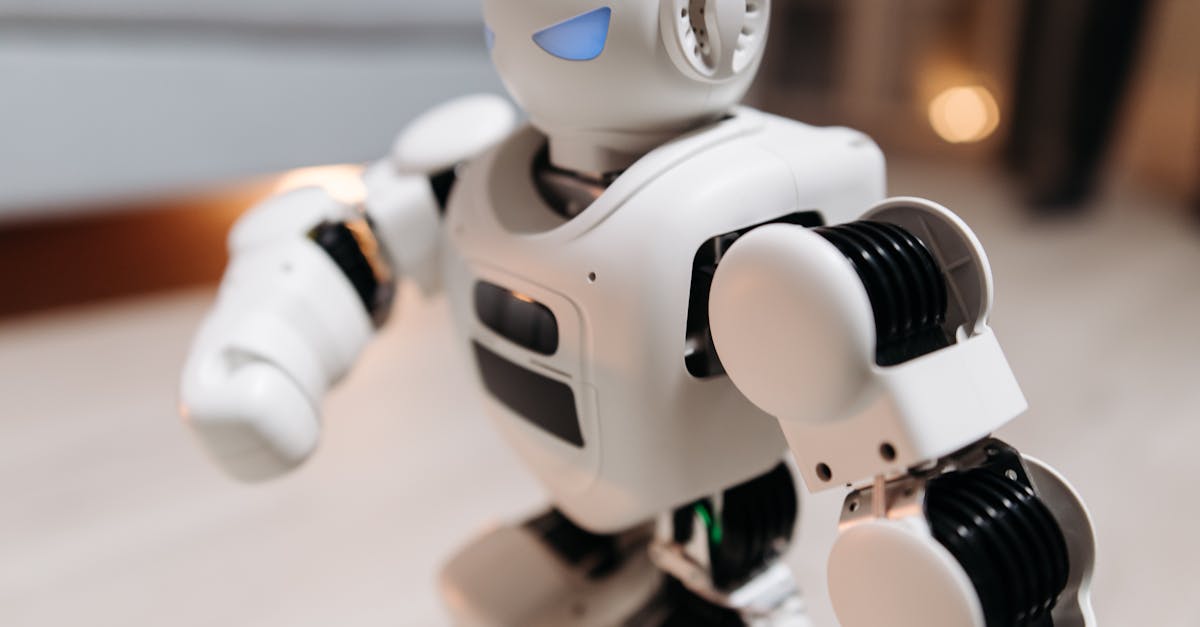
India’s Ministry of Electronics and Information Technology (MeitY) on October 12, 2024, published a draft regulatory framework specifically targeting the safety, testing, and commercial deployment of humanoid robots. The document, developed in coordination with the Bureau of Indian Standards (BIS), establishes mandatory certification protocols for all humanoid machines operating in industrial, healthcare, and retail environments across the country. The guidelines introduce a tiered safety classification system, requiring independent third-party validation for balance control, emergency stop mechanisms, and AI decision-making transparency. Manufacturers must submit technical documentation detailing power output, sensor redundancy, and fail-safe protocols before market entry. The framework also mandates that any humanoid robot processing Indian citizen data must store and process that information on servers physically located within India.
India Market Impact
Regulatory alignment is expected to significantly alter pricing and supply chain dynamics for domestic manufacturers and importers. Industry analysts project that locally certified humanoid robots will see a price reduction of 15 to 20 percent, stabilizing commercial unit costs between ₹18 lakh and ₹25 lakh. This contrasts sharply with current imported models, which routinely exceed ₹40 lakh due to import duties and compliance uncertainties. MeitY has signaled potential fiscal incentives for domestic assembly plants that meet the new BIS standards, aiming to attract foreign robotics firms to establish testing and manufacturing facilities in Gujarat, Tamil Nadu, and Karnataka. The policy explicitly encourages partnerships with Indian engineering colleges to develop localized training datasets for humanoid navigation and manipulation tasks.
Compliance Timeline
The government will also designate three national robotics testing hubs in Bengaluru, Pune, and Faridabad to conduct mandatory stress testing for mobility systems and collision avoidance algorithms. Regarding liability, the draft clarifies that manufacturers retain primary responsibility for hardware malfunctions, while operators are accountable for improper configuration or unauthorized software modifications. The framework also aligns India’s standards with emerging international robotics safety protocols, ensuring export-ready certification for domestic manufacturers. Testing procedures will include simulated factory floor navigation, human-robot interaction stress tests, and continuous firmware update verification. Importers will need to register each model with the certification cell prior to customs clearance, streamlining cross-border technology transfer while maintaining strict safety oversight.
Stakeholders have been granted a 120-day consultation window to submit technical feedback before the framework transitions to final notification. Full compliance for existing imported units will be required by June 30, 2025, while newly developed models must adhere to the standards upon commercial launch. MeitY will establish a dedicated Humanoid Robotics Certification Cell to accelerate review processes and reduce administrative bottlenecks.
More in Reviews & Opinion