Tesla Unveils Optimus Gen 3: Enhanced Dexterity and Battery Life Signal Shift in Humanoid Robotics - RobotWale News

Optimus Gen 3 Technical Upgrades
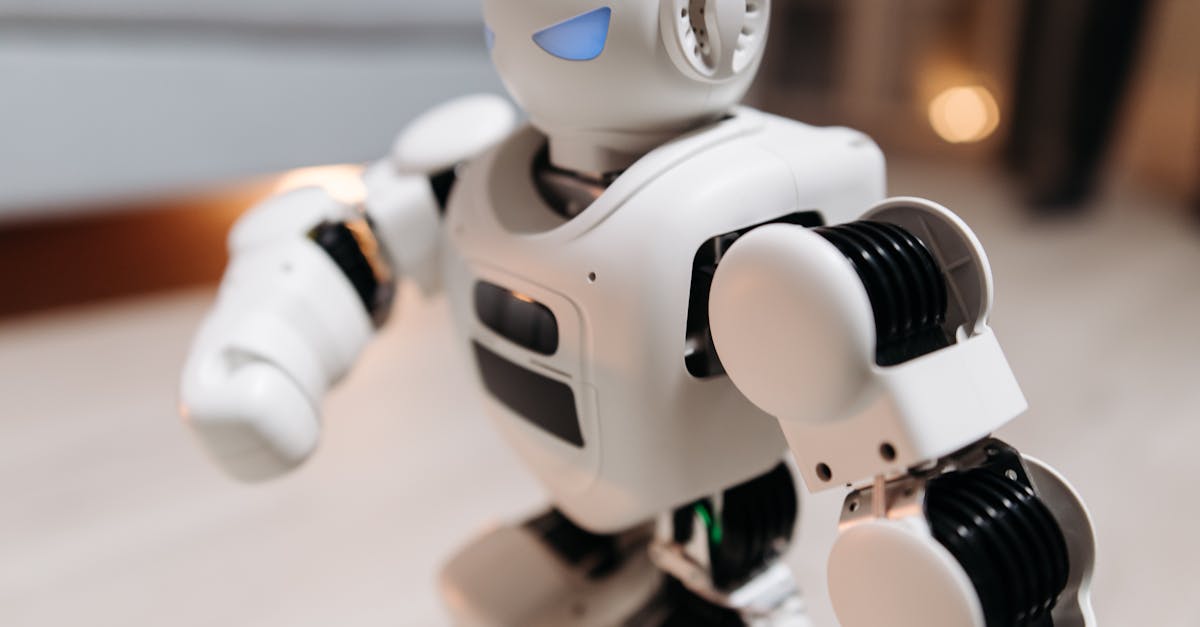
Tesla has officially unveiled the third generation of its Optimus humanoid robot, marking a substantial leap in functional capabilities. The new model features a redesigned hand with 22 degrees of freedom, enabling the robot to manipulate delicate objects such as grapes without causing damage. This level of dexterity is critical for complex industrial tasks previously reserved for human workers.
Additional hardware improvements include a 30% reduction in overall weight and a new shoulder mechanism that expands the robot's range of motion. Tesla also announced a new battery architecture that extends operational time, allowing the unit to perform full-shift duties without requiring mid-day recharging. The Gen 3 can now walk at speeds approaching 5 kilometers per hour, enhancing its utility in dynamic warehouse and factory environments.
India Relevance and Market Implications
While Tesla has not announced a direct commercial release in India, the development holds significant relevance for the country's growing robotics ecosystem. Major Indian conglomerates, including Tata Motors and Mahindra & Mahindra, are actively exploring humanoid automation to support their domestic manufacturing ambitions under the Production Linked Incentive (PLI) schemes.
RobotWale analysis suggests that Indian component manufacturers specializing in actuators, sensors, and precision gears may find early supply chain opportunities as Tesla scales production. Industry experts estimate that if Optimus is priced competitively in the range of $15,000 to $20,000, it could become accessible to Indian small and medium enterprises (SMEs) within three years, particularly for repetitive assembly tasks in the electronics and automotive sectors.
Furthermore, Reliance Industries has signaled interest in leveraging AI-driven robotics for its retail and manufacturing verticals. Analysts predict that the entry of advanced humanoid models could accelerate India's transition toward Industry 4.0, though regulatory frameworks regarding workplace automation will need to evolve to support widespread adoption.
Global Competition and Domestic Progress
The reveal of Optimus Gen 3 intensifies competition in the global humanoid space alongside rivals like Figure AI and Agility Robotics. Meanwhile, Indian humanoid robot startups are accelerating development focused on cost-effective solutions tailored for the Indian labor market. Government initiatives promoting deep tech and AI hardware are driving venture capital inflows to local firms aiming to bridge the gap between advanced robotics and affordable automation for India's diverse industrial base.
More in Reviews & Opinion