Tesla Unveils Optimus Gen 3 with Enhanced Dexterity and Targeted Indian Market Entry - RobotWale News

Third-Generation Optimus Demonstrates Key Upgrades
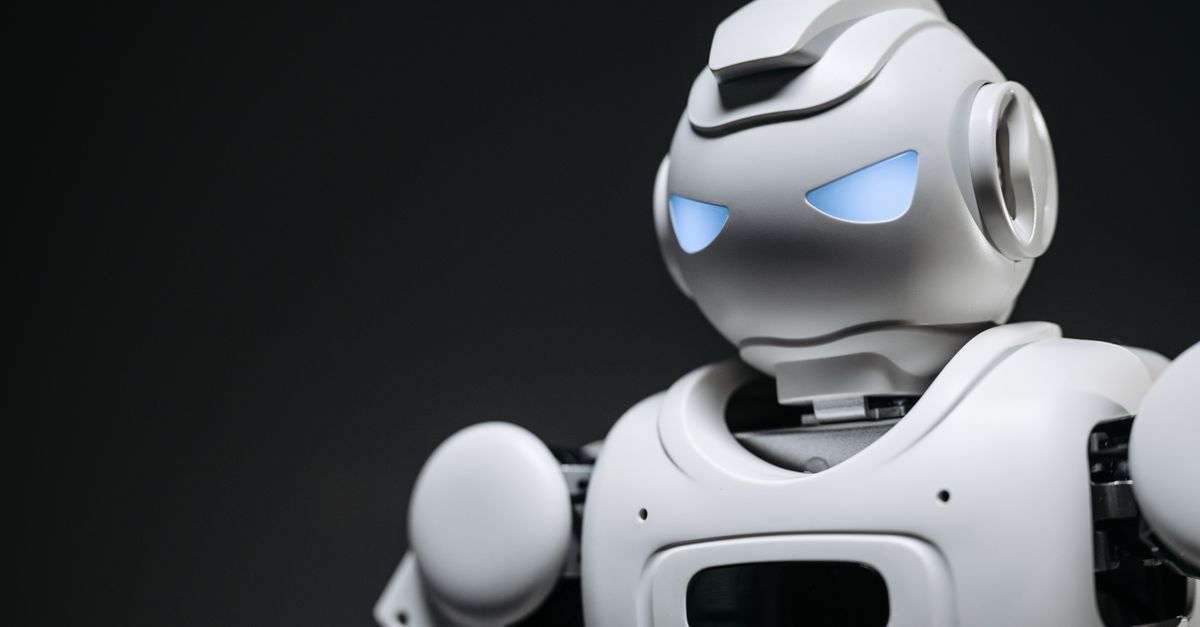
Tesla unveiled the Optimus Gen 3 humanoid robot on Tuesday, showcasing significant improvements in hand dexterity, battery efficiency, and autonomous navigation. The latest iteration features next-generation tactile sensors in each finger, enabling the robot to manipulate fragile objects with greater precision. Tesla also reported a 30% reduction in the bill of materials compared to the Gen 2 prototype, bringing the projected unit cost closer to $20,000 for early commercial adopters. The new design replaces earlier hydraulic actuators with fully electric joints, reducing maintenance requirements and improving operational noise levels.
Strategic Focus on Indian Manufacturing Hubs
Alongside the hardware reveal, Tesla announced preliminary discussions with Indian industrial conglomerates to establish local assembly and software integration centers. The move aligns with India’s recent push to become a global hub for robotics manufacturing under its Production Linked Incentive scheme. Industry analysts note that Indian engineering talent and cost advantages could accelerate the deployment of humanoid robots in automotive and electronics assembly lines. Local partners will handle final calibration and AI model fine-tuning tailored to South Asian industrial workflows.
Deployment Timeline and Industry Impact
Tesla plans to begin limited field trials of the Gen 3 model at its Fremont facility next month, followed by broader testing in partner factories across North America and Europe. While official pricing for international markets remains pending, the company indicated that early access packages for Indian industrial clients could start around ₹16 lakh per unit, excluding software licensing and maintenance contracts. The announcement has intensified competition in the humanoid robot sector, prompting rival firms to accelerate their own deployment schedules. Manufacturers across India are now evaluating how humanoid automation will integrate with existing smart factory infrastructure.
Foundation Model and Software Architecture
The robot runs on Tesla’s latest vision-language-action foundation model, which processes real-time visual data to adapt to unstructured environments. This software update allows the Optimus Gen 3 to learn new tasks through demonstration rather than explicit programming. For the Indian market, Tesla is collaborating with domestic cloud providers to host localized data centers, ensuring compliance with emerging data sovereignty regulations. The combination of improved hardware, optimized AI training, and regional partnerships positions the Gen 3 as a competitive option for cost-conscious industrial buyers.
More in Reviews & Opinion