
The Reality of Autonomous Tractors: John Deere, Mahindra, and the Field
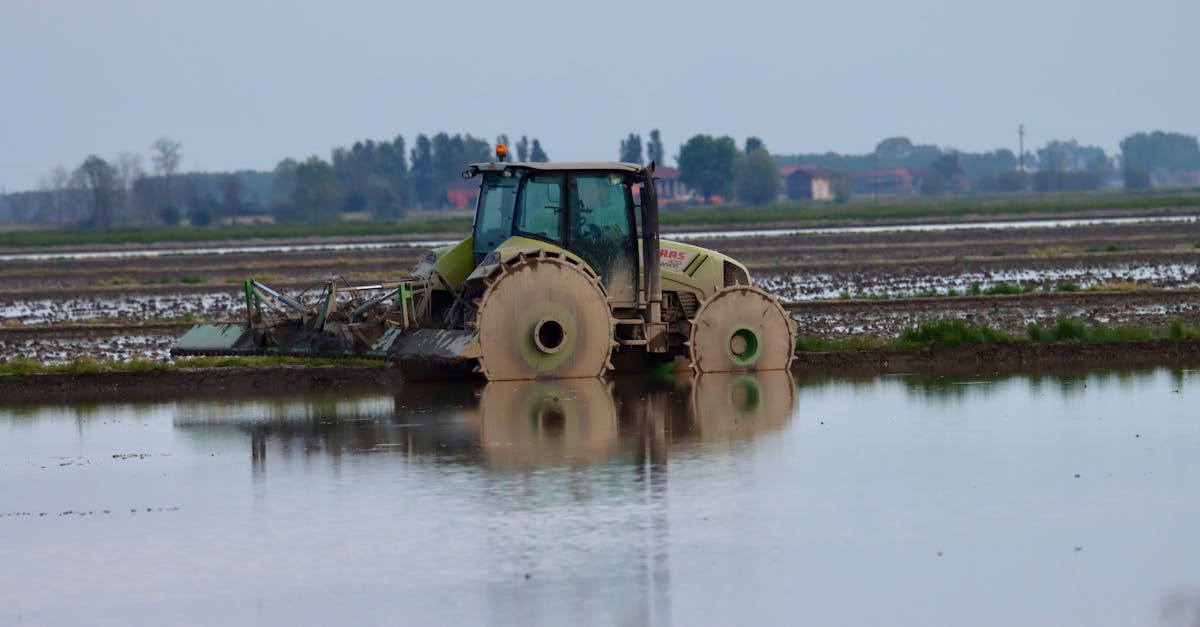
The State of Autonomous Tractor Hardware
While artificial intelligence and robotics have transformed logistics and manufacturing, the agricultural sector remains the most complex frontier for automation. The term "autonomous tractor" is frequently used in marketing materials, often conflating GPS guidance systems with Level 4 driverless operation. RobotWale evaluates claims by prioritizing shipping hardware and verified pilot deployments over press releases or concept renders. The current landscape is defined by guided assistance rather than full autonomy, with significant regional variations in adoption.
John Deere: Precision and Autonomy
John Deere stands as the benchmark for agricultural automation technology. Their product portfolio includes the 8R and 9R platforms, which integrate AutoTrac guidance systems. These systems utilize GPS and GNSS technology to maintain precise row alignment, reducing overlaps and gaps in field operations. While the 8R prototype demonstrated unassisted operation at industry events, commercial availability typically requires a human operator within the cab or remote monitoring oversight.
The 8R and 9R X-Series
The 8R platform supports features like See & Spray technology, which utilizes computer vision to identify and apply herbicides only to weeds. This reduces chemical usage but does not equate to full driverless operation in all jurisdictions. ExactEmerge technology ensures precise seed placement. The hardware is shipping globally, but the autonomy level is graded as Level 2 assistance in most commercial contracts. The guidance systems cost between $15,000 and $25,000 USD on top of the base machine, requiring calibration and mapping.
Deployment Status in India
In India, John Deere sells precision agri-tech tractors, but full autonomy is limited to select pilot zones. The company operates in states like Punjab and Haryana where large-scale farming is prevalent. However, regulatory frameworks under the Motor Vehicles Act require a licensed driver for road transport, limiting off-road autonomy claims. Pilot deployments exist in the US Midwest, where labor shortages drive adoption. In India, the hardware is available, but the "autonomous" label is often restricted to guidance features rather than remote operation.
The Indian Market: Mahindra and Beyond
Mahindra & Mahindra (M&M) holds a dominant position in the Indian tractor market. They offer tractors with auto-steer capabilities, often integrated with GPS guidance. The Mahindra 605DI and similar models can be retrofitted with guidance systems. Full autonomy claims from Indian OEMs often refer to connected tractors or remote monitoring rather than true driverless operation.
Mahindra's Current Tech Stack
Mahindra has partnered with technology providers to integrate IoT sensors and telematics. The focus remains on yield optimization and fuel efficiency rather than removing the operator. Pricing for base tractors starts at INR 4-8 Lakhs. Adding guidance systems costs INR 1.5-3 Lakhs. This is a fraction of the cost compared to imported US-grade autonomous systems. The localization of these systems ensures better after-sales support and compliance with Indian road regulations.
Other Global Entrants
Monarch Tractor offers an electric autonomous tractor with remote operation capabilities. They have announced partnerships in India, but actual shipping of the vehicle remains limited. The high capital expenditure and lack of local service centers are significant barriers. Other startups like Fasal provide software solutions for farm management but do not manufacture hardware. The hardware ecosystem remains dominated by established OEMs like John Deere and TAFE.
Economic Viability and Regulatory Barriers
The economics of autonomous tractors in India depend on labor costs and subsidy structures. Small and marginal farmers, who constitute the majority of the market, cannot afford the premium for advanced guidance systems. Import duties on high-tech tractors affect landed costs. Local manufacturing hubs are crucial for cost reduction.
Cost Breakdown and Subsidies
Subsidies under the PMKSY (Pradhan Mantri Krishi Sinchai Yojana) support mechanization but often require manual operation or basic GPS. The subsidy rate for tractors is typically 35% for general category farmers. For autonomous systems, the cost of the guidance unit is often excluded from the subsidy base. A fully equipped John Deere 8R with guidance can cost over INR 45 Lakhs. The ROI period extends beyond 5 years in most cases.
Regulatory Environment
The Motor Vehicles Act requires a licensed driver for road transport. Off-road operations are less regulated but face insurance challenges. Liability in the event of an autonomous error is a significant legal hurdle. Companies like John Deere mitigate this by maintaining operator oversight. Insurance premiums for autonomous tractors are higher due to the perceived risk of equipment failure.
Conclusion: Shipping vs Speculation
The autonomous tractor market is maturing, but hardware reality lags behind announcements. Level 2 guidance is shipping and deployed. Level 4 autonomy remains in the pilot phase in India. The economic viability depends on labor availability and subsidy structures. For now, the focus should be on precision farming tools that enhance operator efficiency rather than replacing them.
RobotWale grades the current state as hardware-ready but regulation-bound. Manufacturers must navigate the complex Indian agrarian landscape to achieve scale. Pilots in Punjab and Haryana will determine the next phase of adoption.
References
- John Deere Official Website: www.deere.com
- Mahindra & Mahindra Official Website: www.mahindra.com
- Monarch Tractor Official Website: www.monarchtractor.com
- Ministry of Agriculture & Farmers Welfare, India: agriculture.gov.in
✓ Key takeaways
- •Hands-on view of The Reality of Autonomous Tractors: John Deere, Mahindra, and the Field inside our Autonomous Tractors library.
- •Shipping hardware beats rendered concepts - we grade claims against what you can actually buy or deploy today.
- •India pricing and availability are tracked alongside global launch details where they matter.
References
Related articles
More in Autonomous Tractors →
