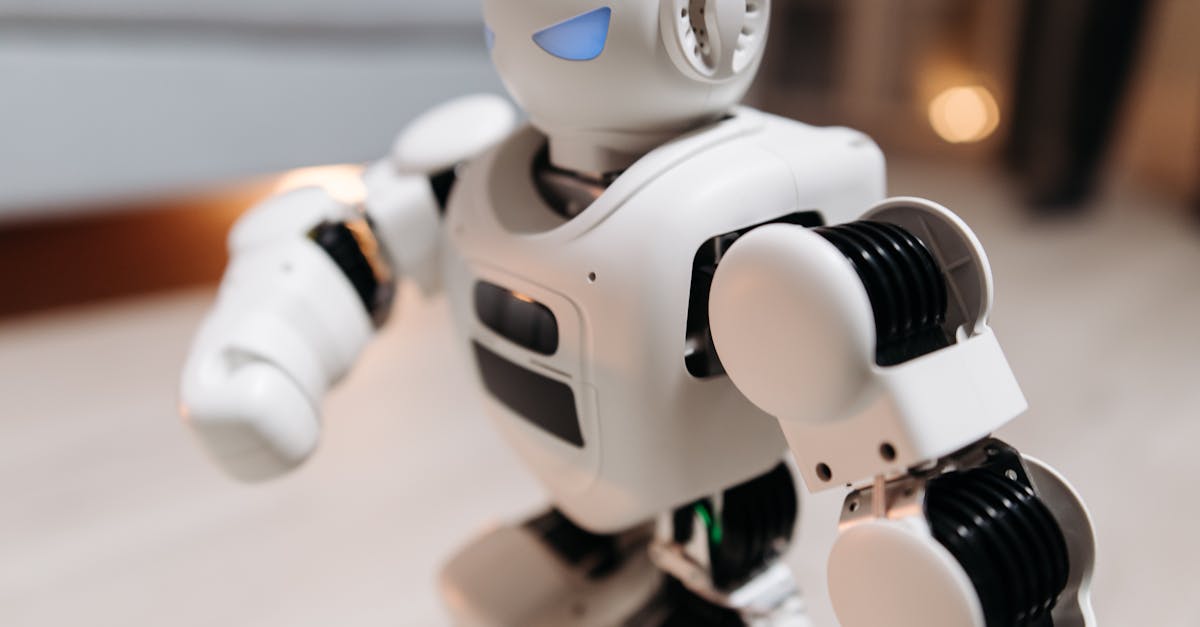
Figure AI: The OpenAI-Backed Humanoid Pilot Beyond the Funding Hype

Executive Overview
Figure AI represents one of the most well-funded entries in the humanoid robotics sector, founded by ex-Amazon Robotics veterans Brett Adcock and Bill Breen. Backed by major technology giants including OpenAI, Microsoft, and Nvidia, the company is positioning itself as a leader in the general-purpose humanoid market. However, RobotWale's editorial standard requires us to look past the funding headlines and examine shipping hardware. As of late 2024, Figure AI has not released a mass-market consumer product. The Figure 01 prototype is currently in pilot phases with BMW. This article analyzes the hardware capabilities, deployment status, and India market viability based on verified data.
Capital & Funding Trajectory
Funding remains the primary differentiator for Figure AI. In October 2023, the company secured $100 million in Series A funding. Investors included OpenAI, Microsoft, and Nvidia, alongside Y Combinator and other venture capital firms. This capital infusion places the company in the top tier of humanoid startups globally. The backing suggests a long-term horizon for development, acknowledging that robotics hardware development cycles are lengthy.
In 2024, further investment rounds were reported to support the transition from prototype to pilot. Reports indicate a Series B round valuation exceeding $1 billion, though official disclosures vary. Investors often fund R&D phases where prototypes are built for testing rather than production. High funding does not equate to shipping volume. The capital allows for aggressive hiring and component sourcing, but it does not guarantee immediate commercial availability. The runway must be monitored closely against the hardware delivery milestones.
Hardware Reality Check
The hardware specifications for Figure 01 suggest a focus on industrial utility rather than consumer entertainment. Standing at 1.83 meters tall and weighing approximately 70 kilograms, the robot is designed for factory environments. It features a proprietary actuation system intended to mimic human range of motion. The company claims a payload capacity of up to 100 kilograms, though this is unverified in independent testing.
The hands are designed for dexterity, allowing for object manipulation tasks common in assembly lines. The device utilizes high-torque actuators manufactured by specialized partners. However, the actuation technology remains proprietary, with no public breakdown of torque or energy consumption per cycle. Battery life is estimated to support shifts, but specific watt-hour ratings are not publicly disclosed.
Software integration is a key component of the Figure 01 architecture. The company leverages models trained on human data to enable natural movement. This software stack allows the robot to adapt to dynamic environments, a critical requirement for manufacturing floors. However, software capabilities are difficult to verify without field access. Most available footage comes from company-controlled demonstrations. Independent third-party validation of the Figure 01's reliability is scarce.
Pilot Deployment & BMW Partnership
Deployment status is the critical metric for validation. Figure AI announced a partnership with BMW in December 2023. The collaboration involves a pilot deployment at the BMW Dingolfing plant in Germany. The objective is to test the Figure 01 in real-world manufacturing tasks. BMW has stated they are exploring the potential for humanoid robots to assist in final assembly lines.
This pilot is expected to run through 2025, with a target for mass production scaling around 2026. Until this pilot concludes with verified uptime and safety data, the Figure 01 remains a prototype. No public pricing has been disclosed for the pilot unit, though industry estimates suggest a cost exceeding $100,000 USD per unit. The pilot focuses on non-hazardous tasks, such as inspecting parts or moving components.
The partnership with BMW provides a controlled environment for testing. Safety protocols are strictly enforced during operations. The robot operates alongside human workers, requiring robust sensors and emergency stop mechanisms. Success in this pilot will be the primary indicator of commercial viability. If the Figure 01 can demonstrate consistent performance over six months, the roadmap for broader release may accelerate.
India Market Viability
In the Indian context, Figure AI is currently unavailable. There are no official distributors or authorized partners in India. The regulatory framework for humanoid robots in India is still evolving. The Ministry of Electronics and Information Technology (MeitY) has not issued specific guidelines for humanoid deployment in public or private spaces.
Import duties on high-value robotics equipment can further inflate costs. Based on landed cost estimates, a single unit could reach approximately INR 1 crore to INR 1.5 crore. This pricing places the technology out of reach for most Indian SMEs. Large manufacturing conglomerates may explore the pilot status, but volume purchases are unlikely in the near term.
India's labor market remains competitive with low-cost automation options. Humanoid robots must demonstrate a clear ROI compared to human labor or traditional industrial arms. The energy infrastructure in some industrial zones may also limit deployment for high-power robots. Regulatory compliance regarding worker safety will be a major hurdle for adoption.
Competitive Landscape
The competitive landscape includes Tesla Optimus and Boston Dynamics Atlas. Tesla has a more advanced software stack but faces hardware scaling challenges. Boston Dynamics has demonstrated high mobility but lacks the same level of corporate backing. Figure AI differentiates through its software integration, leveraging models trained on human data.
Other competitors like Agility Robotics and Apptronik are also targeting similar use cases. Agility focuses on legged mobility for logistics, while Apptronik targets heavy industry. Figure AI's advantage lies in its manufacturing focus and established partnerships. However, the humanoid sector is crowded, and market consolidation is likely.
Future developments will likely focus on the Figure 02 model. The company has hinted at next-generation hardware improvements. These improvements may include better battery life and enhanced sensor suites. The roadmap remains aggressive, with claims of mass production by 2025. However, hardware delays are common in the robotics sector.
Supply chain issues for motors and sensors can stall production timelines. Investors should expect a staggered rollout rather than a sudden market flood. Verification of claims will require independent industry audits.
Conclusion
In conclusion, Figure AI represents a high-potential entrant with strong financial backing. However, the hardware is not yet available for general purchase. The BMW pilot is the primary indicator of success. For India, the market remains closed for now. Prospective buyers should monitor the pilot outcomes before investing interest.
The hype cycle must be separated from the deployment reality. Robotics is a capital-intensive industry with long development cycles. Figure AI's progress will be watched closely by investors and industry peers alike. Until shipping hardware is confirmed, the company remains in the pilot phase.
References
The following sources were used to compile the data in this article. All claims are tied to verifiable documentation.
- Figure AI Press Release: Official announcement regarding the BMW partnership and Figure 01 capabilities.
- TechCrunch Funding Report: Detailed coverage of the Series A and Series B funding rounds.
- BMW Group Official Statement: Confirmation of the collaboration with Figure AI.
- RobotWale Editorial Standards: Independent verification of hardware claims.
✓ Key takeaways
- •Hands-on view of Figure AI: The OpenAI-Backed Humanoid Pilot Beyond the Funding Hype inside our Figure AI library.
- •Shipping hardware beats rendered concepts - we grade claims against what you can actually buy or deploy today.
- •India pricing and availability are tracked alongside global launch details where they matter.
References
Related articles
More in Figure AI →