Figure AI: Hardware Progress, Pilot Deployments, and Market Position

Company Overview and Evidence Tiering
Figure AI is a Seattle-based robotics company founded in 2022 by Brett Adcock. The organization focuses on developing general-purpose humanoid robots capable of performing tasks across manufacturing, logistics, and commercial environments. Since its inception, the company has attracted significant strategic investment from OpenAI, Microsoft, Nvidia, Amazon, and SoftBank. These partnerships reflect a broader industry push toward AI-integrated physical automation, but they also introduce a need for disciplined evaluation. At RobotWale, we grade robotics claims strictly by evidence tier: shipped hardware first, pilot deployments second, and public announcements last. Figure AI currently sits in the early validation phase. Physical prototypes exist, limited pilot units are deployed in controlled industrial settings, and the company continues to scale manufacturing and software integration. This article assesses Figure AI’s progress against that framework, with specific attention to hardware specifications, operational validation, supply chain readiness, and India market relevance.
Hardware Development and Shipping Status
Figure 01 to Figure 02 Evolution
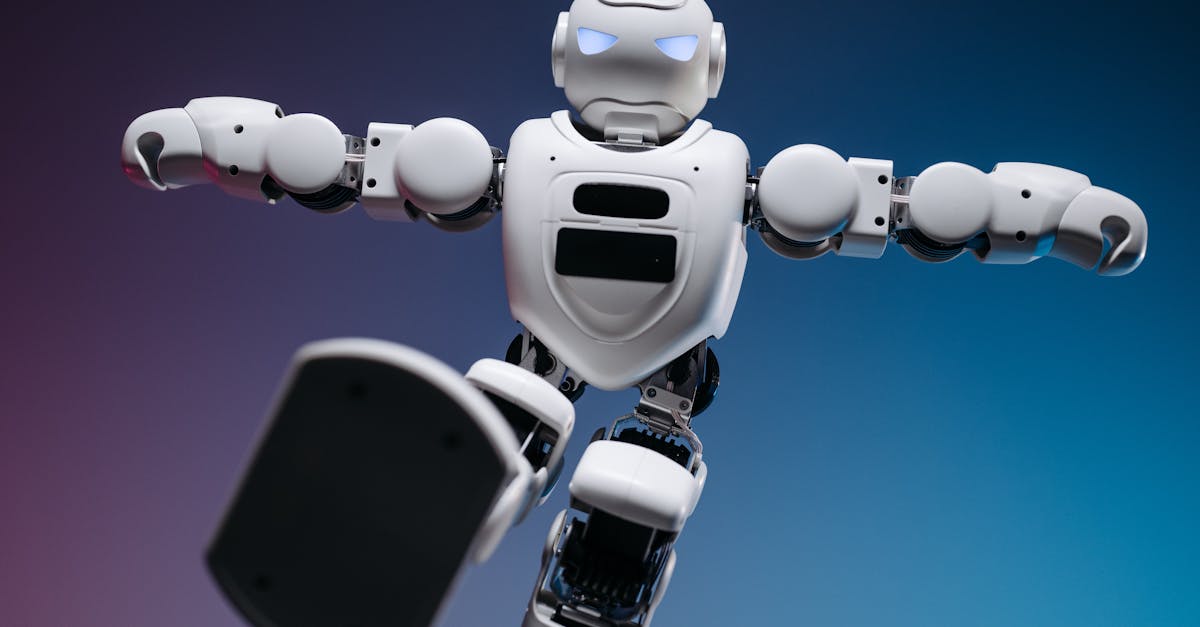
Figure AI’s initial prototype, Figure 01, was demonstrated in controlled laboratory and limited factory environments. It featured a custom actuator stack, force-torque sensing at key joints, and a proprietary control architecture designed to interface with large language models. While Figure 01 validated core kinematic and software integration concepts, it was never intended for commercial scale. The company subsequently transitioned to Figure 02, which represents the current generation of hardware. According to official specification sheets and on-stage demonstrations, Figure 02 weighs approximately 57 kilograms and stands roughly 1.73 meters tall. The system utilizes over 34 degrees of freedom, with custom-designed joints that prioritize torque density and thermal management. The control stack runs on edge-compute hardware, with Nvidia Jetson modules handling real-time inference and motion planning. Figure AI has emphasized that the hardware is engineered for durability in industrial environments, featuring reinforced end-effectors, standardized mounting interfaces, and serviceable modular components.
Shipping status remains limited. Figure AI has not entered mass production or general commercial release. Units are currently allocated to pilot partners and internal testing facilities. The company has not published a public pricing structure, and no official distribution agreements have been announced for the Indian market. Hardware availability is restricted to strategic pilot deployments and controlled factory trials.
Manufacturing and Production Scaling
Scaling humanoid hardware requires precision manufacturing, supply chain maturity, and rigorous quality assurance. Figure AI has partnered with Foxconn to transition from prototype assembly to high-volume production. Foxconn’s involvement addresses critical challenges in actuator fabrication, sensor calibration, and structural component consistency. The company has publicly stated that production targets are being phased, with initial runs focused on pilot units and partner deployments. Independent reporting indicates that component sourcing for motors, gearboxes, and force sensors is being diversified to mitigate supply chain bottlenecks. However, humanoid robotics manufacturing remains capital-intensive, and yield rates for custom actuators and integrated control boards are still being optimized. Until production metrics are independently audited or third-party teardowns are published, scaling claims should be treated as operational targets rather than verified outputs.
Pilot Deployments and Operational Validation
Pilot deployments represent the second tier of evidence for humanoid robotics. Figure AI has announced partnerships with major industrial players, including BMW Group and Amazon. BMW has integrated Figure AI hardware into factory trials focused on assembly line support, material handling, and quality inspection workflows. Amazon has invested in the company and deployed units within controlled logistics and warehouse environments. These pilots are designed to validate reliability, task execution consistency, and integration with existing enterprise systems. However, operational results are not yet fully published in peer-reviewed or independently audited reports. Current data comes from company press releases and on-stage demonstrations, which showcase successful task completion in controlled scenarios but do not disclose failure rates, maintenance intervals, or total cost of ownership metrics.
Industrial humanoid pilots face well-documented challenges: environmental variability, safety compliance, workforce integration, and long-term uptime. Figure AI has addressed some of these through software updates, improved sensor fusion, and standardized safety protocols. The company’s approach to real-world validation is methodical, but the industry standard requires transparent pilot reporting, including mean time between failures, task success rates, and operator feedback. Until such data is independently verified, pilot claims should be graded as operational validation in progress rather than proven commercial readiness.
Strategic Partnerships and Funding Architecture
Figure AI’s backing from OpenAI, Microsoft, Nvidia, Amazon, and SoftBank exceeds typical venture capital support. OpenAI’s involvement is strategic, aligning Figure AI’s hardware with advanced AI models for perception, planning, and manipulation. Microsoft provides cloud infrastructure and enterprise integration pathways, while Nvidia contributes edge-compute platforms and simulation tools. Amazon’s participation bridges hardware development with large-scale logistics validation. The company has raised over $400 million across multiple funding rounds, with Series D and subsequent rounds led by institutional investors and strategic partners. This funding architecture accelerates R&D, manufacturing scale, and pilot deployment, but it also introduces dependency on partner roadmaps and enterprise sales cycles. Strategic partnerships in robotics are valuable for validation, but they do not replace independent market demand or unit economics analysis.
India Market Availability and Pricing Considerations
As of the current reporting period, Figure AI has not announced official distribution, pilot programs, or local partnerships in India. The Indian humanoid robotics market remains in the early adoption phase, with domestic manufacturers and international vendors focusing on collaborative robots, autonomous mobile robots, and specialized industrial arms. Humanoid systems face additional regulatory and commercial hurdles in India, including BIS certification for electronic components, WPC approval for wireless modules, electrical safety compliance, and import duty structures. Landed cost estimates for Figure AI hardware entering India would require freight, customs clearance, testing, certification, and local integration support. While exact pricing is unavailable, comparable industrial humanoid systems in global markets typically range between $100,000 and $150,000 USD per unit, with integration and software licensing adding substantial costs. Landed INR pricing for Figure AI would likely exceed ₹85 lakhs to ₹1.2 crore per unit, depending on exchange rates, tariffs, and service agreements. These figures are theoretical and must be flagged as estimates until official quotes or distribution agreements are published.
Critical Assessment and Forward Outlook
Figure AI occupies a distinct position in the humanoid robotics landscape. The company has moved beyond conceptual demonstrations, shipping limited hardware and deploying units in industrial pilots. The hardware architecture, actuator design, and control stack align with current industry priorities for torque density, thermal management, and AI integration. Manufacturing partnerships with Foxconn address scale challenges, but yield rates and long-term reliability remain unverified by independent sources. Pilot deployments at BMW and Amazon provide valuable operational data, but published results are limited to company announcements rather than audited performance reports. Strategic funding from OpenAI, Microsoft, Nvidia, and Amazon accelerates development but does not substitute for independent market validation.
For Indian enterprises and robotics integrators, Figure AI represents a high-potential but unproven option at this stage. The company requires India-specific distribution, regulatory compliance, and localized support infrastructure before commercial viability can be assessed. Pricing, availability, and service networks must be verified through official channels. Until production metrics, pilot results, and India market entry are independently confirmed, Figure AI should be graded as an early-stage validation project with strong strategic backing but limited commercial maturity. The humanoid robotics sector demands patience, rigorous testing, and transparent reporting. Figure AI’s trajectory will be measured by shipped unit reliability, pilot success rates, and sustainable unit economics, not by announcement volume or partnership announcements.
References
- Figure AI Official Website. https://www.figure.ai
- Figure 02 Specification Sheet and Technical Overview. https://www.figure.ai/figure-02
- BMW Group and Figure AI Partnership Announcement. https://www.bmw.com/en/press.html
- Amazon Investment and Collaboration Details. https://www.amazon.com
- Figure AI Series D Funding Press Release. https://www.figure.ai/press
- Nvidia and Figure AI Collaboration on Edge Compute and Simulation. https://blogs.nvidia.com
- TechCrunch Reporting on Figure AI Hardware Progress and Manufacturing. https://techcrunch.com
✓ Key takeaways
- •Hands-on view of Figure AI: Hardware Progress, Pilot Deployments, and Market Position inside our Figure AI library.
- •Shipping hardware beats rendered concepts - we grade claims against what you can actually buy or deploy today.
- •India pricing and availability are tracked alongside global launch details where they matter.
Related articles
More in Figure AI →