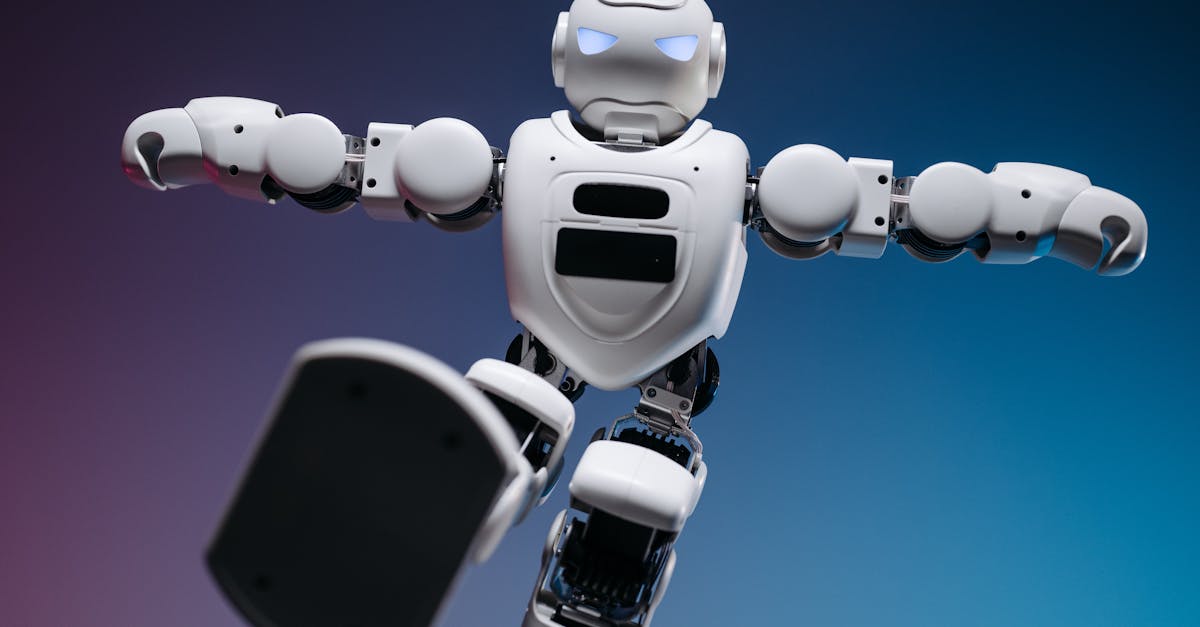
Figure AI: Grounding the OpenAI-Backed Humanoid in Shipping Hardware and Pilot Realities

The Figure AI Hardware Lineup: From Figure 01 to Figure 02
Figure AI has positioned itself at the intersection of advanced robotics and large-scale AI integration. The company's primary products, the Figure 01 and Figure 02, are full-sized humanoids designed for industrial and logistics environments. Both systems stand at 5 feet 10 inches and weigh approximately 160 pounds. The hardware architecture relies on custom-designed actuators, high-torque joints, and a centralized compute stack capable of real-time proprioception and manipulation.
The Figure 01 entered limited deployment in early 2024, featuring over 40 degrees of freedom (DOF), a 5,000-watt power system, and a modular end-effector design. Early units were shipped to manufacturing partners for controlled pilot testing. The subsequent Figure 02 iteration introduced structural refinements, including a lighter chassis, improved joint torque density, and integrated stereo cameras for enhanced spatial awareness. Figure AI has publicly stated production targets of 1,000 Figure 02 units for 2025, with manufacturing coordinated through Foxconn's Malaysian facility.
Figure 01: Early Deployment and Manufacturing Constraints
Figure 01 units were delivered to a select group of industrial partners. The hardware demonstrated functional grasping, bin-picking, and line-side replenishment tasks. However, deployment scope remained narrow, restricted to controlled factory floors. Power management, thermal regulation under sustained load, and end-effector wear rates were documented in early operational reports. The system required manual calibration for complex assembly sequences, indicating that full autonomy remained dependent on human oversight.
Figure 02: Integrated AI Stack and Production Scaling
Figure 02 shifts the architecture toward tighter AI integration. The system pairs its mechanical hardware with a multimodal perception model and a real-time control pipeline. Figure AI emphasizes improved cycle times, reduced calibration overhead, and higher repeatability in pick-and-place operations. Production scaling relies on Foxconn's contract manufacturing network, which provides standardized assembly lines, component sourcing, and quality control protocols. The company has not released independent third-party validation reports for Figure 02's long-term durability or mean time between failures (MTBF).
Grading the Claims: Shipping Hardware, Pilots, and Announcements
Applying RobotWale's grading framework, Figure AI's claims must be separated into three tiers: shipping hardware, pilot deployments, and partnership announcements.
- Shipping Hardware: Figure 01 units have been delivered to partner sites. Figure 02 production is ramping through Foxconn. Both represent validated hardware shipments, not conceptual renders or prototype demonstrations.
- Pilot Deployments: Pilots are active at BMW Group's Spartanburg plant in South Carolina, Geely's manufacturing facilities in China, and Foxconn's electronics assembly lines. These deployments focus on specific tasks such as battery tray handling, component sorting, and line-side material movement. They are narrow-scope, monitored tests, not commercial-scale operations.
- Announcements: Partnerships with OpenAI, Nvidia, and Microsoft Azure represent significant software and compute commitments. These are strategic alliances, not shipping metrics. They indicate roadmap alignment and development funding, not immediate deployment readiness.
The grading outcome places Figure AI in the early pilot phase. Hardware ships, but scale, autonomy maturity, and long-term reliability remain unproven beyond controlled factory environments.
Software Architecture: OpenAI, Nvidia, and the Compute Stack
Figure AI's software stack is built around three core partnerships. OpenAI provides the multimodal foundation model for perception, language understanding, and manipulation planning. Nvidia contributes Project GR00N, a robotics foundation model optimized for humanoid control, alongside Jetson Thor modules for on-robot inference. Microsoft Azure AI supplies cloud infrastructure for simulation, training data processing, and fleet management.
This architecture prioritizes rapid iteration over fully autonomous operation. The system relies on continuous data collection, cloud-based model updates, and human-in-the-loop correction. On-robot compute handles low-latency motor control and safety monitoring, while higher-level reasoning occurs through cloud-synced models. Independent verification of inference latency, model update frequency, and failure recovery protocols has not been published.
Partnership Ecosystem: OEMs and Logistics Pilots
Figure AI's partner network includes major automotive, electronics, and logistics entities. BMW Group tests Figure 01 units for battery assembly and line-side replenishment. Geely integrates the system into automotive manufacturing workflows. Foxconn handles production scaling and component supply chain coordination. Additional pilots have been reported in electronics assembly and warehouse material handling.
These partnerships are structured as co-development agreements. Partners receive hardware, software access, and technical support in exchange for deployment data and workflow feedback. The arrangement accelerates iteration but does not guarantee commercial deployment timelines. Manufacturing complexity, safety compliance, and integration with existing PLCs and MES systems remain bottlenecks.
India Availability, Import Dynamics, and Approximate INR Pricing
Figure AI hardware is not commercially available in India as of the current reporting period. Importation would require individual procurement, customs clearance, and local service infrastructure. India's current robotics import framework treats advanced humanoid systems under custom tariff classifications that attract substantial duties.
Estimated landed cost for India includes the base hardware price, freight, insurance, basic customs duty, integrated goods and services tax (GST), and anti-dumping or safeguard assessments where applicable. Based on industry benchmarks for comparable advanced humanoids, the base unit cost is estimated at $350,000 to $400,000. Applying standard Indian import duties, GST at 18%, and freight/logistics costs, the approximate landed cost ranges from ₹30 crore to ₹35 crore per unit. This estimate is clearly flagged as a landed cost projection and does not reflect negotiated pricing, subsidies, or local assembly exemptions.
Pilot deployment in India would require automotive, electronics, or logistics partners with existing robotics integration capabilities. Local service technicians, safety certification, and compliance with the Bureau of Indian Standards (BIS) and factory safety regulations would be mandatory. Without domestic manufacturing or authorized distributors, acquisition remains restricted to large enterprises with dedicated automation budgets.
Critical Assessment and Near-Term Outlook
Figure AI has progressed from prototype demonstrations to limited hardware shipments and narrow pilot deployments. The grading framework confirms that shipping hardware exists, but commercial viability depends on pilot outcomes, model reliability, and production scaling. The company's partnerships with OpenAI, Nvidia, and Microsoft provide strong software and compute backing, yet these do not substitute for field validation.
Near-term milestones to monitor include Figure 02 production volumes, independent reliability reports, pilot expansion beyond initial partners, and pricing transparency. The humanoid market remains highly competitive, with multiple vendors pursuing similar architectures. Figure AI's differentiation hinges on execution speed, software maturity, and integration cost. Until deployment data becomes public and India-specific import pathways are clarified, the system remains a pilot-phase offering with significant scaling challenges.
References
- Figure AI Official Press Release: https://www.figure.ai/news
- OpenAI and Figure AI Partnership Announcement: https://openai.com/blog/openai-and-figure-partner-to-accelerate-robotics-research
- Nvidia Project GR00N Foundation Models: https://www.nvidia.com/en-us/solutions/robotics/
- Microsoft Azure AI Robotics Infrastructure: https://news.microsoft.com/source/stories/microsoft-azure-ai-robotics-partnerships/
- BMW Group and Figure AI Pilot Deployment: https://www.bmwgroup.com/en/news/general/2024/bmw-group-figure-ai-humanoid-robot-pilot.html
- Foxconn Manufacturing Agreement for Figure 02: https://www.foxconn.com/en/news/2024/foxconn-to-manufacture-figure-02-humanoid-robots
- Independent Reporting on Figure AI Deployment and Production: https://www.reuters.com/technology/figure-ai-robotics-2024-09-12/
- TechCrunch Coverage of Figure AI Hardware and Pilots: https://techcrunch.com/2024/09/12/figure-ai-robot/
✓ Key takeaways
- •Hands-on view of Figure AI: Grounding the OpenAI-Backed Humanoid in Shipping Hardware and Pilot Realities inside our Figure AI library.
- •Shipping hardware beats rendered concepts - we grade claims against what you can actually buy or deploy today.
- •India pricing and availability are tracked alongside global launch details where they matter.
Related articles
More in Figure AI →