Figure AI: Assessing the OpenAI-Backed Humanoid Against Manufacturing Realities

Executive Summary
Figure AI has rapidly ascended the rankings of humanoid robotics startups, securing a valuation that reflects the confidence of some of the world’s most influential technology investors. Founded in 2022 by Bill Newell, a veteran of Apple’s robotics division, the company aims to solve the labor shortage in manufacturing through autonomous humanoid robots. While the company’s announcements regarding partnerships with BMW and Amazon have generated significant media coverage, the editorial standard here at RobotWale requires us to look past the marketing spin. We grade claims by shipping hardware first, pilot deployments second, and public announcements last. As of late 2024, Figure AI stands in a critical transition phase between proof-of-concept and commercial scale.
This assessment focuses on the Figure 01 system, its technical specifications, and the tangible progress made in pilot programs. We will also examine the viability of deploying this technology within the Indian industrial ecosystem, considering regulatory frameworks, labor costs, and infrastructure requirements. The goal is to provide a grounded perspective on whether Figure AI represents a near-term solution for Indian manufacturers or a long-term strategic bet.
The Backing Ecosystem
Figure AI’s rapid rise is inextricably linked to its capitalization strategy. The company secured a $700 million Series B funding round in early 2024, led by OpenAI, Nvidia, and Microsoft. This consortium represents more than just financial capital; it signals potential integration pathways for AI models, cloud computing, and hardware acceleration.
Sam Altman, the CEO of OpenAI, serves as a key advisor, though the separation between Figure AI and OpenAI’s core research remains distinct. The involvement of Nvidia provides access to the Jetson platform for edge computing, which is critical for real-time navigation and manipulation tasks. Microsoft’s participation suggests potential synergies with Azure cloud infrastructure and the broader enterprise software ecosystem.
However, high-profile backing does not equate to manufacturing readiness. In the robotics sector, funding often precedes the solving of complex hardware challenges, such as battery density, actuator durability, and thermal management in industrial environments. We must distinguish between the financial momentum and the operational reality of the Figure 01 unit.
Figure 01 Hardware Specifications
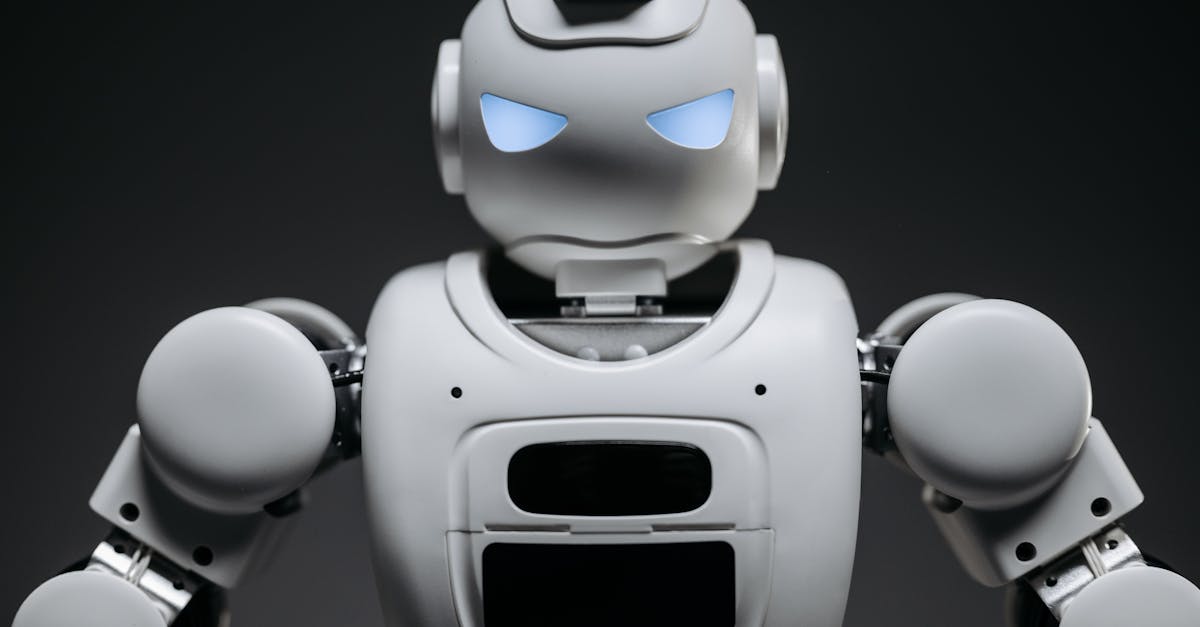
The Figure 01 is designed as a general-purpose humanoid robot intended for manufacturing tasks. Based on available public specifications and on-stage demonstrations, the unit stands approximately 1.7 meters (5 feet 7 inches) tall. This height is calibrated to match the ergonomics of standard factory workstations, allowing the robot to interact with existing manufacturing lines without extensive retrofitting.
Actuation and Payload
The robot utilizes a proprietary joint architecture designed for high torque and durability. While specific actuator models are often kept proprietary, public demonstrations suggest a focus on electric actuation rather than hydraulic systems, which aligns with the trend toward cleaner, quieter factory environments. The Figure 01 is rated for a payload capacity of approximately 20 kilograms (44 pounds) in its arms.
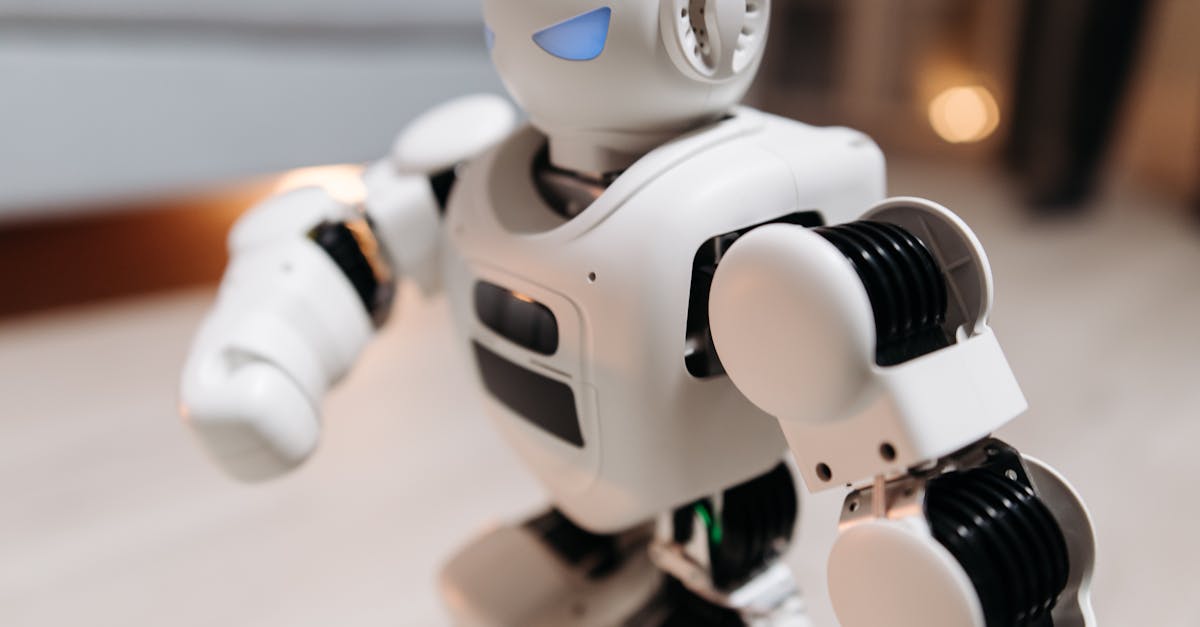
This payload is sufficient for handling automotive components, such as door panels or seats, but may require assistance for heavier lifting tasks. The system employs a dual-arm configuration, allowing for complex manipulation tasks like screwing fasteners or inserting parts into assemblies. The dexterity appears to be a key differentiator, with the hands capable of fine motor control.
Sensing and Perception
Figure AI relies on a suite of sensors including LiDAR, depth cameras, and IMUs for localization and mapping. The perception stack is designed to operate in unstructured environments, although most pilot deployments have occurred in controlled factory settings. The navigation system allows the robot to move autonomously between workstations, though this requires a navigable floor plan.
Power systems remain a critical bottleneck for humanoid robotics. The Figure 01 is reported to operate for several hours on a single charge, though continuous duty cycles in high-torque applications may reduce this window. Battery technology advancements in the wider EV sector will likely influence the longevity of these systems in the coming years.
Pilot Deployments and Manufacturing Readiness
The most significant metric for Figure AI’s maturity is its deployment status. The company has announced partnerships with major industrial players, but the extent of these deployments varies.
BMW Partnership
In 2023, Figure AI announced a partnership with BMW to bring the Figure 01 to their Spartanburg plant in Germany. The stated goal is to assist in the assembly of electric vehicle components. A video release showed the robot performing a hands-free inspection and manipulation task, though the level of autonomy demonstrated was a subject of debate.
As of mid-2024, reports indicate that the robot is being tested for specific assembly tasks. The partnership is valuable for validation, as BMW maintains rigorous standards for robotics integration. However, a pilot program is not mass deployment. The robot must demonstrate reliability over months of operation, handling variability in parts and environmental conditions, before it can be considered a production-ready asset.
Amazon Logistics Interest
Figure AI has also explored opportunities in logistics, with reports of discussions regarding warehouse automation. Unlike the BMW partnership, this relationship is less publicized and may be in earlier stages of negotiation. The complexity of warehouse environments, with dynamic obstacles and high traffic, presents a different set of challenges compared to stationary assembly lines.
Commercial Availability
Figure AI has not announced a general commercial release price or a standard delivery timeline for the Figure 01. The company is currently in a phase of refining the hardware through these pilot programs. We classify Figure AI’s current status as “Pilot Deployments” rather than “Shipping Hardware” for the general market. This distinction is crucial for Indian buyers who require capital expenditure (CapEx) certainty.
The Indian Market Context
The introduction of humanoid robotics to India requires a specific analysis of the local economic and regulatory landscape. The Indian manufacturing sector is characterized by a mix of large-scale automotive hubs and smaller, labor-intensive units.
Regulatory Framework
India currently lacks a comprehensive national regulatory framework specifically for humanoid robots. The existing guidelines for industrial automation fall under standard machinery safety regulations. The deployment of autonomous robots in shared spaces will require adherence to the Factory Act and potential liability frameworks regarding accidents or property damage.
Figure AI, being a US-based entity, must navigate export controls and import regulations. The Indian government’s Production Linked Incentive (PLI) schemes for electronics manufacturing may offer indirect support, but direct subsidies for humanoid imports are not yet publicized.
Infrastructure and Labor
Indian factories often feature uneven flooring and high ambient temperatures, which can challenge the thermal and mechanical durability of precision robots. The Figure 01’s sensors must be calibrated for dust and heat, which is a common requirement in Indian industrial zones.
From a labor perspective, the Indian market offers a cost-efficient alternative to high-wage regions. However, the total cost of ownership (TCO) for a humanoid robot includes maintenance, software licensing, and integration costs. If Figure AI pricing aligns with the North American market, the ROI calculation in India may require longer operational hours to justify the CapEx.
Pricing and Commercial Viability
Figure AI has not released an official price list. However, we can estimate the landed cost based on industry benchmarks for similar humanoid platforms like Tesla’s Optimus or Agility’s Digit.
Estimated Pricing
Industry estimates suggest that humanoid robots in the pilot phase may cost between $150,000 and $250,000 USD per unit. For the Indian market, this translates to an approximate landed cost of ₹1.25 Crore to ₹2.1 Crore INR per unit, assuming no significant government subsidies for automation.
This price point places the Figure 01 in the territory of heavy industrial machinery rather than standard automation. For smaller Indian manufacturing units, this cost is prohibitive. Large conglomerates in the automotive or electronics sectors may consider the investment if the robot can demonstrably replace multiple human shifts or perform tasks that are unsafe for humans.
Service and Maintenance
A critical factor for adoption in India is the availability of local service and spare parts. Figure AI will need to establish a partner network for repairs and calibration. Without local support, downtime could exceed acceptable limits for a manufacturing line. The company must decide whether to ship units as-is or train local technicians.
Software licensing fees may also apply, potentially requiring a recurring revenue model. This could complicate the CapEx vs. OpEx decision for Indian enterprises. We advise manufacturers to request detailed Total Cost of Ownership (TCO) models before committing to pilot programs.
Conclusion
Figure AI represents a significant advancement in the humanoid robotics sector, bolstered by elite backing and functional demos that suggest genuine engineering progress. The Figure 01 hardware shows promise for manufacturing applications, particularly in automotive assembly. However, the classification of “shipping hardware” must remain reserved until verified mass deployment is confirmed beyond pilot programs.
For the Indian market, the timeline for adoption remains uncertain. Regulatory clarity, infrastructure readiness, and price competitiveness will determine whether Figure AI succeeds in India or remains a niche technology for multinational corporations with deep pockets. We recommend a wait-and-watch approach for most Indian manufacturers, with a focus on monitoring the BMW pilot outcomes for reliability data.
RobotWale will continue to track the Figure 01’s progress, prioritizing evidence over announcements. The future of robotics in India depends on practical deployment, not just press releases.
✓ Key takeaways
- •Hands-on view of Figure AI: Assessing the OpenAI-Backed Humanoid Against Manufacturing Realities inside our Figure AI library.
- •Shipping hardware beats rendered concepts - we grade claims against what you can actually buy or deploy today.
- •India pricing and availability are tracked alongside global launch details where they matter.
References
Related articles
More in Figure AI →