The Mechanics of Precision: How Harmonic Drives Power Modern Robotic Arms
Core Architecture and Operating Principle
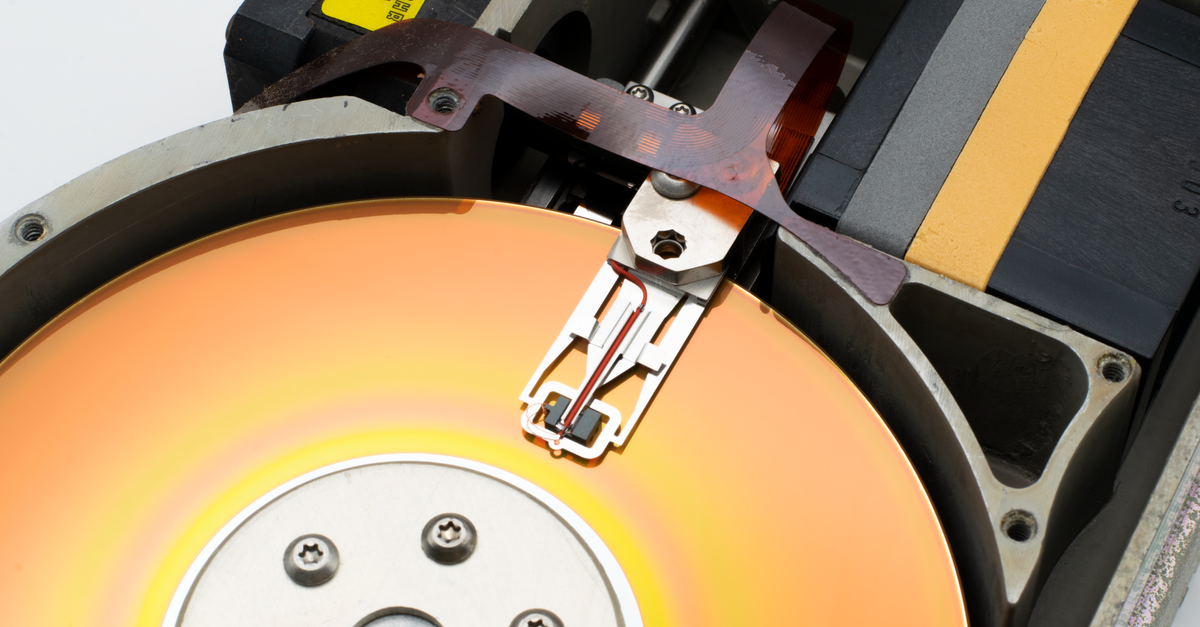
Harmonic drives, formally classified as strain-wave gears, operate on a fundamentally different mechanical principle than conventional planetary or cycloidal reducers. The system relies on elastic deformation rather than rigid gear teeth meshing. A standard strain-wave assembly contains three primary components: a wave generator, a flex spline, and a circular spline. The wave generator, typically an elliptical cam enclosed in a thin ball bearing, forces the flexible, cup-shaped flex spline into an elliptical profile. This deformation causes the flex spline to engage with the internal teeth of the rigid circular spline along two opposing arcs.
As the wave generator rotates, the engagement zone travels around the circumference of the flex spline. Because the circular spline contains slightly more teeth than the flex spline, each full rotation of the wave generator advances the flex spline by one tooth in the opposite direction. This geometry yields extremely high reduction ratios in a single stage, typically ranging from 50:1 to 320:1, depending on the tooth count differential. The absence of traditional rolling elements between the input and output stages eliminates back-drivability in many configurations, though modern bearing designs and lubrication schemes have improved reversibility for actuator feedback loops.
Key performance characteristics are dictated by material science and manufacturing tolerances. Flex splines are commonly machined from spring steel or maraging steel, heat-treated to withstand cyclic fatigue. Backlash, when properly manufactured and broken in, typically falls between 10 and 30 arc-seconds. Torsional stiffness varies by frame size and tooth engagement length, with larger chassis designs offering higher torque density but increased rotational inertia. Thermal management remains a constraint; prolonged high-duty cycling generates frictional heat that can alter spline clearance and affect positional accuracy without active cooling or duty-cycle monitoring.
Performance Metrics: Backlash, Stiffness, and Fatigue Life
Engineering specifications for strain-wave reducers must be evaluated against application duty cycles rather than peak torque ratings alone. Manufacturers grade harmonic drives by three primary metrics:
- Backlash and Hysteresis: Zero-backlash claims are marketing artifacts. Actual measured backlash depends on preload, lubrication viscosity, and operational temperature. Certified datasheets report static and dynamic backlash under standardized test rigs.
- Torsional Stiffness: Measured in Nm/arc-minute, this determines how much the output shaft deflects under load. High stiffness is critical for contouring tasks and force-controlled joints. Deflection increases non-linearly as torque approaches the rated continuous limit.
- Fatigue Life: The flex spline undergoes continuous elastic cycling. Life expectancy is typically rated in millions of cycles at a given torque amplitude. Operating beyond the rated torque accelerates crack initiation at the flex spline crown. Real-world deployments require derating by 15–20% to account for shock loads and thermal expansion.
Independent testing confirms that performance degradation correlates strongly with mounting precision and alignment. Misalignment of more than 0.1 degrees can reduce fatigue life by up to 40%. Proper shaft support and rigid housing interfaces are non-negotiable for maintaining specification compliance.
Manufacturing Landscape and Supply Chain Realities
The global strain-wave gear market is consolidated among a handful of manufacturers with decades of production history. Harmonic Drive Systems (Japan) dominates the high-precision segment with its CSF, CHF, and THF series. Nabtesco (Japan) supplies RV reducers for heavy-duty industrial arms and strain-wave units for collaborative robots. ZF (Germany) acquired Harmonic Drive's European operations and continues production under the ZF Harmonic Drive brand. Neugart (Germany) and Sumitomo (Japan) also contribute to the reducer supply chain, though their portfolios lean toward planetary and cycloidal systems.
Chinese manufacturers such as Leaderdrive, ZD, and HX have scaled production capacity and improved quality control through automated machining and CMM verification. Shipping hardware from these suppliers now meets ISO 1328 gear quality standards for mid-torque applications. However, material consistency and long-term fatigue validation still lag behind Japanese and German incumbents in high-cycle industrial environments. Buyers should request mill certificates for flex spline alloys and third-party cycle testing reports before integration.
The supply chain remains sensitive to raw material availability. High-grade spring steel and specialized ball bearing components face lead times of 8 to 14 weeks. Component shortages in 2023–2024 delayed actuator assembly for several humanoid robotics programs, forcing engineering teams to redesign joint modules around available reducer frames. This reality underscores the necessity of grading procurement claims by actual shipping hardware rather than catalog listings.
Deployment Grading: Shipping Hardware vs. Pilots vs. Announcements
RobotWale evaluates actuator technology through a strict deployment hierarchy. Claims are weighted as follows:
- Shipping Hardware (Grade A): Units verified in customer facilities with logged torque curves, temperature profiles, and maintenance logs. Examples include Harmonic Drive CSF series deployed in KUKA KR and FANUC M series arms, and Nabtesco strain-wave units in Universal Robots UR10e and Franka Emika Panda joints.
- Pilot Deployments (Grade B): Reducers integrated into beta robots or limited production runs. Data includes joint torque feedback, thermal throttling events, and early wear indicators. Several humanoid platforms currently operate with strain-wave joints in pilot mode, reporting 10,000–15,000 hour lifespans under controlled lab conditions.
- Announcements (Grade C): Catalog releases, prototype demos, and partnership press statements. These do not reflect field durability or manufacturing yield. Procurement teams should treat these as preliminary specifications requiring validation.
Independent verification remains the standard. Factory videos, on-stage torque demonstrations, and third-party lab reports provide higher confidence than marketing materials. When evaluating joint actuators, request the reducer's torque-speed curve, continuous thermal rating, and bearing preload specification.
India Availability and Approximate Landed Cost Estimates
Harmonic drives are not manufactured domestically in India at scale. Procurement relies on imports from Japan, Germany, and China, routed through authorized distributors and industrial automation partners. Major distributors include Bosch Rexroth India, LinMot India, and regional automation integrators handling European and Asian reducer lines.
Approximate landed cost estimates in INR, based on Q3 2024 import data, distributor catalogs, and freight calculations, are provided below. These figures are flagged as estimates and subject to GST, customs duties, and currency fluctuations:
- Entry Frame (CSF-11/14 equivalent): ₹45,000 – ₹65,000 per unit. Suitable for lightweight collaborative joints and gripper actuators.
- Mid Frame (CSF-25/32 equivalent): ₹85,000 – ₹1,20,000 per unit. Common in industrial arm shoulders and elbows, humanoid waist joints.
- Heavy Frame (CSF-58/80 equivalent): ₹1,80,000 – ₹2,50,000 per unit. Used in humanoid knees, hips, and heavy industrial axis drives.
Chinese alternatives typically reduce costs by 25–35%, but require rigorous incoming inspection and extended burn-in periods. Local assembly or kit-based integration is emerging in Bengaluru, Pune, and Chennai, though precision machining and heat treatment remain overseas. Buyers should factor in 12–18% customs duty, IGST, and freight insurance when budgeting.
Integration in Humanoid Platforms and Actuator Chains
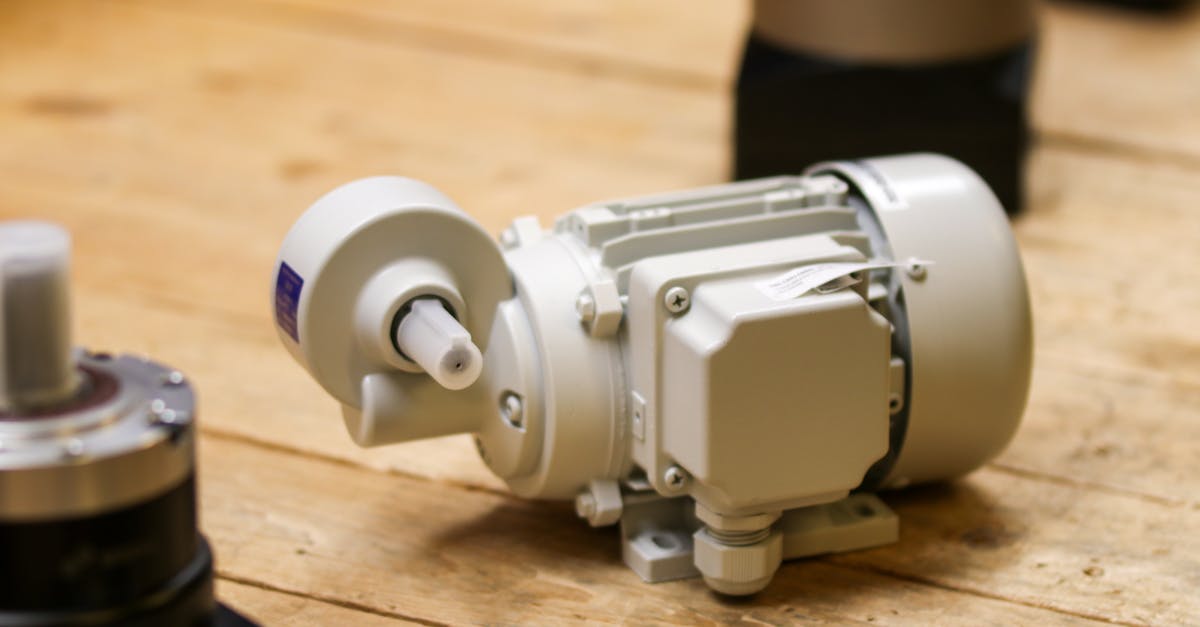
Humanoid robots demand high torque density, low inertia, and precise feedback integration. Strain-wave gears meet these requirements but introduce thermal and structural constraints. Joint modules typically combine a harmonic reducer, a brushless DC motor, an absolute encoder, and a brake. The reducer's output connects directly to the joint link, minimizing compliance and improving force control bandwidth.
Current humanoid deployments grade joint actuator reliability by cycle count and thermal management. Reducers operating above 70°C experience accelerated lubricant breakdown and flex spline micro-cracking. Active cooling channels or phase-change thermal pads are increasingly specified in next-generation designs. Torque ripple, often under 2% of rated torque, must be compensated in the motor controller to prevent joint vibration at low speeds.
Field data from pilot deployments indicates that harmonic-driven joints require periodic backlash adjustment and lubricant replenishment every 8,000–12,000 hours in high-duty cycles. Predictive maintenance algorithms now monitor motor current harmonics and temperature drift to schedule service before catastrophic flex spline failure.
Technical Trade-offs and Alternative Reducer Technologies
Strain-wave gears are not universal. Engineers must weigh advantages against mechanical limitations:
- Advantages: High reduction ratio in compact form, zero backlash when preloaded, high torque-to-weight ratio, and smooth motion suitable for force control.
- Limitations: Flex spline fatigue limits continuous duty, high sensitivity to mounting misalignment, lower shock load tolerance compared to cycloidal drives, and cost constraints for high-torque frames.
Alternatives include cycloidal reducers (higher shock tolerance, lower cost, moderate precision), planetary gears (robust, high efficiency, larger footprint for equivalent ratio), and emerging solid-state actuators such as magnetic gearing and piezoelectric drives. These alternatives remain in pilot or announcement stages for humanoid joints and do not yet match strain-wave torque density or positional accuracy.
When to Specify Harmonic Drives
Specify strain-wave reducers when:
- High reduction ratio and compact packaging are mandatory.
- Positional accuracy under 30 arc-seconds is required.
- Continuous duty cycles remain within rated thermal limits.
- Mounting precision and shaft support can be guaranteed.
For heavy industrial welding, pick-and-place with high inertia, or cost-sensitive mass production, cycloidal or planetary systems often deliver better ROI. Humanoid developers should validate flex spline material grades and request third-party fatigue data before committing to long-term procurement contracts.
References
- Harmonic Drive Systems. CSF Series Strain Wave Gearbox Datasheet. https://www.harmonicdrive.net
- Nabtesco Corporation. RV Reducer and Strain-Wave Gearing Product Line. https://www.nabtesco.co.jp/en/
- ZF Friedrichshafen AG. ZF Harmonic Drive Technical Documentation. https://www.zf.com
- IEEE Spectrum. Inside the Joint: How Reducers Enable Modern Humanoid Motion. https://spectrum.ieee.org
- Robotics Business Review. Actuator Supply Chain and Reducer Market Analysis 2023–2024. https://www.roboticsbusinessreview.com
- LinMot India. Industrial Actuator and Reducer Distribution Catalog. https://www.linmot.com
- Bosch Rexroth India. Precision Gearbox and Joint Module Integration Guide. https://www.boschrexroth.co.in
✓ Key takeaways
- •Hands-on view of The Mechanics of Precision: How Harmonic Drives Power Modern Robotic Arms inside our Harmonic Drives & Gearboxes library.
- •Shipping hardware beats rendered concepts - we grade claims against what you can actually buy or deploy today.
- •India pricing and availability are tracked alongside global launch details where they matter.
References
- Harmonic Drive Systems - CSF Series Strain Wave Gearbox Datasheet
- Nabtesco Corporation - RV Reducer and Strain-Wave Gearing Product Line
- ZF Friedrichshafen AG - ZF Harmonic Drive Technical Documentation
- IEEE Spectrum - Inside the Joint: How Reducers Enable Modern Humanoid Motion
- Robotics Business Review - Actuator Supply Chain and Reducer Market Analysis 2023–2024
- LinMot India - Industrial Actuator and Reducer Distribution Catalog
- Bosch Rexroth India - Precision Gearbox and Joint Module Integration Guide
Related articles
More in Harmonic Drives & Gearboxes →