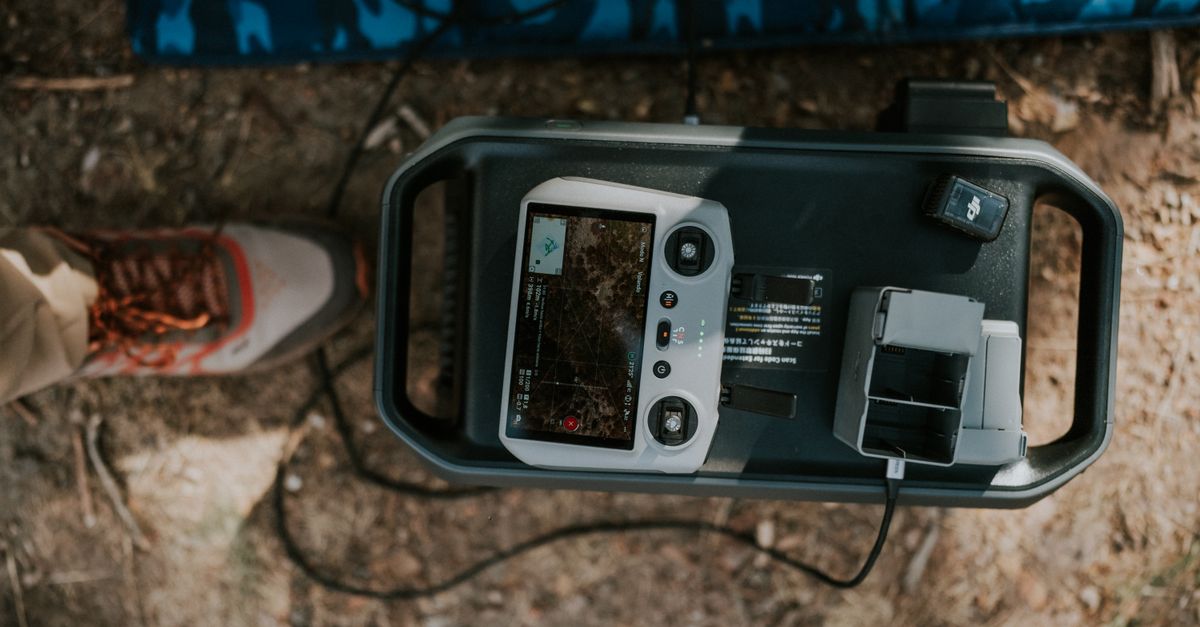
Humanoid Robot Battery Runtime: Spec Sheet vs. Reality

Introduction: The Autonomy Gap
The humanoid robotics sector has moved past the conceptual phase into the hardware validation stage. However, a critical disconnect remains between advertised energy capacity and operational reality. While manufacturer specifications often suggest eight-hour shifts, field data indicates that current shipping hardware typically delivers between two to four hours under load. This article analyzes the gap between spec sheets and factory floors, focusing on energy density, thermal management, and the specific economic context of the Indian market.
Understanding battery runtime is not merely about the chemistry; it is about the system load. A robot standing idle consumes significantly less power than one navigating uneven terrain while manipulating objects. Manufacturers often test in controlled environments, which skews the perceived value for the end-user.
How Manufacturers Measure Runtime
Most claims rely on ISO standards or internal lab tests that do not replicate the chaos of a warehouse. The primary variables manipulated to extend runtime in lab conditions include:
- Walking Speed: Specifications often list performance at 0.5 meters per second. Real-world logistics often require speeds exceeding 1.0 meters per second.
- Payload: Tests are frequently conducted with no payload. Carrying 10kg of inventory increases torque demand on actuators, draining the battery faster.
- Terrain: Smooth concrete floors are assumed. Carpet, gravel, or ramps increase mechanical resistance.
- Ambient Temperature: Lab tests occur at 20°C to 25°C. Indian summers often exceed 40°C, degrading battery efficiency.
This creates a "best case" scenario. When a manufacturer claims a 4-hour runtime, it is often a lab average. In a pilot deployment, this drops to 2 hours due to the dynamic nature of human-robot interaction.
Real-World Hardware Performance Data
Current shipping hardware provides a clearer picture of what to expect. The Tesla Optimus Gen 2, while not in mass production, has provided data on its energy usage. Tesla has stated the robot can operate for approximately one hour on a single charge in demo settings, though they aim for faster charging cycles. The battery pack is designed for rapid swapping.
Boston Dynamics’ Atlas (Hydraulic version) historically ran on 90 minutes of runtime, though the new electric model aims for higher efficiency. The Figure 01 robot from Figure AI claims a runtime of up to 4 hours, but this is contingent on low computational loads. When running heavy SLAM (Simultaneous Localization and Mapping) algorithms, power draw spikes.
Apptronik’s Apollo is designed for logistics. Their specifications suggest a 4-hour runtime, but this assumes a consistent walking gait without lifting heavy loads. In practice, the combination of lifting and walking reduces efficiency by approximately 30 percent. This is a crucial metric for Indian warehouses where manual handling is intense.
India Availability and Cost Factors
Importing humanoid robots into India involves significant costs beyond the unit price. The battery pack is the most expensive component, often accounting for 30 to 40 percent of the total hardware cost. Import duties on EV batteries and components vary. Currently, customs duties on Lithium-ion cells can range between 10 to 20 percent depending on the classification.
For a robot with a battery pack priced at $2,000 USD (approx. INR 1.66 Lakhs), the landed cost in India could rise to INR 1.9 Lakhs due to duties, shipping, and GST. This affects the total cost of ownership (TCO).
Charging infrastructure is another hurdle. Industrial facilities in India often operate on 3-phase power, but humanoid robots typically require single-phase 230V input. This requires adapters and safety breakers. Fast-charging capabilities must be verified against local grid stability. In areas with voltage fluctuations, battery management systems (BMS) may throttle charging speeds to protect the cells.
Replacement costs are high. If a battery degrades after 500 cycles, the replacement cost will be substantial. Users must budget for this. A realistic TCO calculation must include battery amortization over 3 years.
Thermal Management and Safety
Thermal management is critical for runtime. High-torque actuators generate heat. If the battery gets too hot, the BMS will reduce power output to prevent damage. This reduces runtime during peak operation. Active cooling systems (fans or liquid cooling) consume additional power.
In the Indian context, dust and humidity are major concerns. Battery enclosures must meet IP54 or higher ratings to prevent dust ingress. This adds weight and cost. A heavier robot requires more energy to move, creating a feedback loop that reduces runtime.
Manufacturers are moving towards Liquid Cooling in packs. This maintains efficiency but adds complexity. For the Indian market, air cooling might be preferred for maintenance ease, though it is less efficient.
Future Outlook and Charging Models
Solid-state batteries are the next frontier. They offer higher energy density and faster charging. However, they are not yet in mass production. Commercial availability is likely 2026 or later. Until then, Lithium Nickel Manganese Cobalt Oxide (NMC) remains the standard.
Battery swapping models are being explored. This allows a robot to swap a depleted pack for a charged one in minutes. For India, this is appealing as it removes charging downtime. However, it requires standardized battery architecture across fleets.
Current predictions suggest that by 2025, we will see a shift towards 6-hour runtimes in high-load scenarios. This requires better power electronics and more efficient motors. Until then, users should plan for 3-hour shifts with charging breaks.
Conclusion
The gap between spec sheets and reality is significant. Manufacturers test in ideal conditions; robots work in messy environments. For Indian buyers, the landed cost and battery replacement expense must be factored into the decision. While the technology is advancing rapidly, the current expectation should be 2 to 4 hours of runtime, not the 8 hours often advertised. Understanding this reality ensures better deployment planning and higher ROI.
References
- Tesla AI Day Presentation Materials regarding Optimus Energy Systems.
- Figure AI Official Specifications Sheet for Figure 01.
- Apptronik Apollo Technical Data Sheet.
- Indian Customs Tariff Schedule for Lithium-ion Battery Components.
✓ Key takeaways
- •Hands-on view of Humanoid Robot Battery Runtime: Spec Sheet vs. Reality inside our Battery & Runtime library.
- •Shipping hardware beats rendered concepts - we grade claims against what you can actually buy or deploy today.
- •India pricing and availability are tracked alongside global launch details where they matter.
References
Related articles
More in Battery & Runtime →