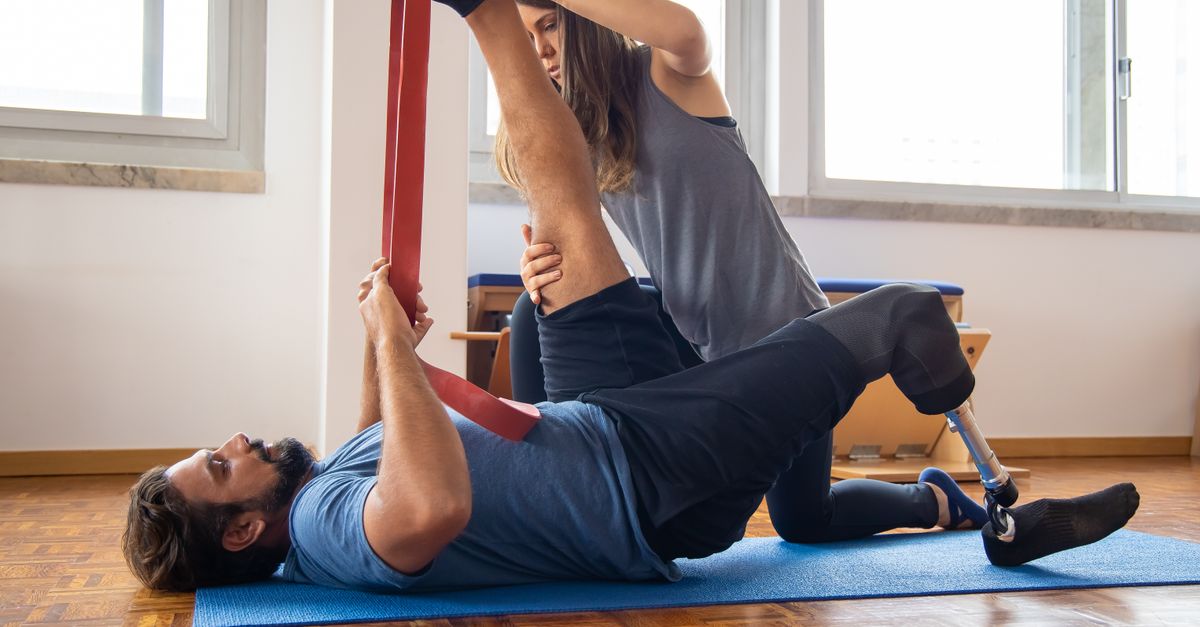
Grounded Reality: Shipping Exoskeletons in Neurorehabilitation
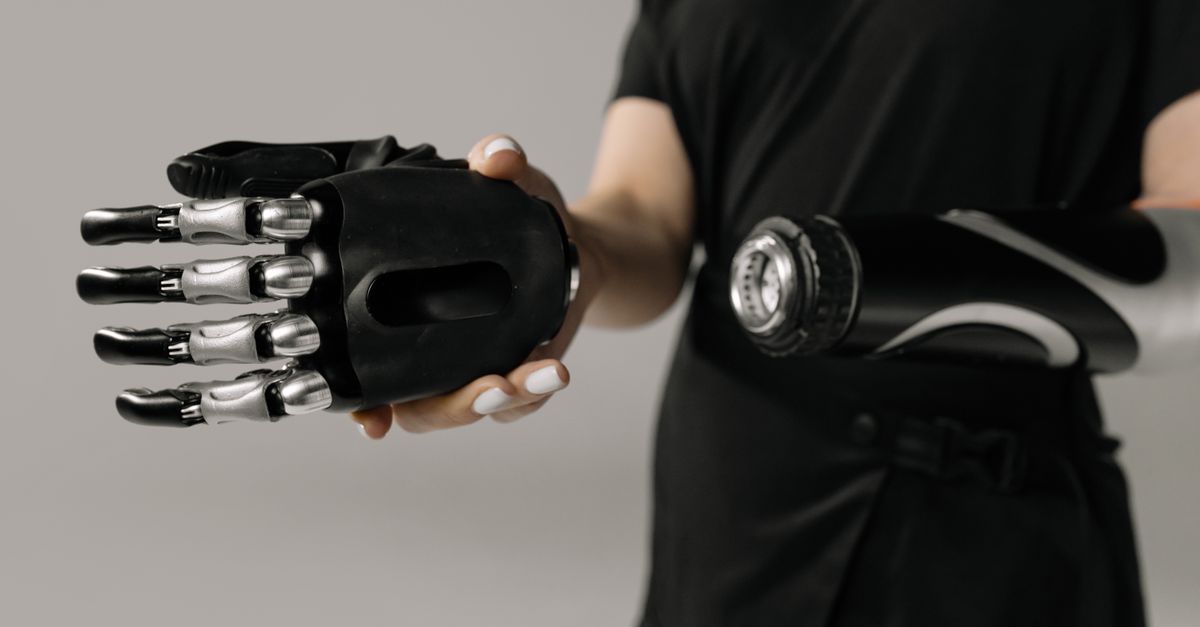
Executive Summary: Beyond the Hype Cycle
The narrative surrounding rehabilitation robotics has frequently oscillated between revolutionary promise and technological disappointment. For the editorial team at RobotWale.com, the distinction lies in hardware that has shipped to paying customers versus concepts displayed on trade show floors. This article evaluates active lower-limb exoskeletons currently in commercial production, focusing on ReWalk Robotics, Ekso Bionics, and Cyberdyne Inc. (HAL Suit). We prioritize independent clinical trials, manufacturer specification sheets, and the logistical reality of importing high-value medical devices into India.
The Hardware Landscape: Shipped Units Only
When assessing the "Rehab Exoskeletons" category, we exclude pneumatic suits that are not battery-operated and exclude soft robotics that have not yet demonstrated powered actuation in a clinical setting. The three primary manufacturers with demonstrated shipping hardware are ReWalk, Ekso, and Cyberdyne.
ReWalk Robotics: The Early Pioneer
ReWalk has been the most visible name in recent years, particularly regarding its ReWalk Pro 6.0 system. This is a full-body exoskeleton designed for individuals with paraplegia resulting from spinal cord injury (SCI). It utilizes active hip and knee joints powered by high-torque motors.
According to ReWalk's official product specifications, the ReWalk Pro 6.0 weighs approximately 15.5 kg (34 lbs). It is powered by a lithium-ion battery pack with a claimed range of 10 km (6.2 miles) or up to 8 hours of battery life under normal usage conditions. The system relies on a chest-mounted controller that uses a gyroscope and accelerometer to detect user intent to stand or walk. It is not a fully autonomous robot; it requires user input to initiate movement.
Shipping Status: Commercial. ReWalk has reported over 1,000 units sold globally. However, the company has faced financial headwinds in recent years, leading to changes in distribution partnerships.
Ekso Bionics: Clinical Focus
Ekso Bionics differentiates itself through a stronger emphasis on clinical deployment for stroke and multiple sclerosis, in addition to spinal cord injury. Their EksoNR (Neuro Rehabilitation) is a widely cited model in hospital settings.
The EksoNR features active hip and knee actuation with a battery life of approximately 4 hours. The unit weighs roughly 16.5 kg. Unlike ReWalk, Ekso emphasizes its integration with rehabilitation protocols where therapists can adjust torque and range of motion parameters via a tablet interface. The EksoGT (Graded Training) variant is specifically designed for gait speed improvement.
Shipping Status: Commercial. Ekso has deployed units in over 30 countries. Their focus remains on institutional sales (hospitals and rehab centers) rather than individual consumer purchase, which impacts the pricing model.
Cyberdyne HAL: The Industrial Hybrid
Cyberdyne Inc. is unique in its history. While the HAL (Hybrid Assistive Limb) suit is often associated with industrial lifting, it has a significant medical application in rehabilitation.
HAL utilizes sensors to detect bio-electric signals from the skin, allowing for a lower latency in movement detection. The latest versions are lighter, weighing approximately 5-6 kg per leg unit, though the full system with the controller box is heavier. Cyberdyne has secured regulatory approval in Japan (PMDA) and the US (FDA clearance for specific indications).
Shipping Status: Commercial. HAL is widely used in Japanese hospitals and increasingly in European facilities. However, global availability outside of Japan and Europe remains limited due to strict regulatory hurdles.
Clinical Evidence and Efficacy Data
Marketing materials often cite "improved mobility," but RobotWale.com relies on published clinical trials. The primary metrics for evaluation are gait speed, distance walked (6-minute walk test), and independence scores (FIM scores).
Spinal Cord Injury (SCI)
A systematic review published in Journal of NeuroEngineering and Rehabilitation analyzed the ReWalk Pro. Results indicated that over 6 months of training, patients demonstrated significant improvements in 6-minute walk distance compared to traditional physical therapy alone. However, the review noted that the training intensity required to achieve these gains is high, demanding 3-6 hours of use per week.
Ekso Bionics conducted a multi-center study published in Spinal Cord regarding the EksoNR. The study showed a 37% increase in walking speed after 12 weeks of training. Importantly, the study highlighted that these gains were maintained for a period after training ceased, suggesting long-term neural adaptation rather than just muscle strengthening.
Stroke and Neurological Disorders
For stroke recovery, the evidence is more mixed. A pilot study involving the EksoNR showed that patients could stand and take steps earlier than traditional methods, but the transfer of that capability to independent community walking remains a challenge. The exoskeleton acts as a tool to facilitate neuroplasticity, allowing the brain to relearn movement patterns that were previously lost.
It is critical to note that exoskeletons are not cures. They are assistive devices. The clinical consensus is that they accelerate rehabilitation timelines but do not replace the need for physical therapy.
The India Context: Availability and Cost
The deployment of these systems in India faces significant barriers beyond clinical efficacy. We have analyzed the landed cost estimates for a standard neuro-rehabilitation setup.
Regulatory Barriers
In India, medical devices fall under the Medical Device Rules, 2017. An exoskeleton like ReWalk or Ekso would likely be classified as a Class C or Class D device, requiring a license from the Central Licensing Authority (CDSCO). Importers must register with CDSCO before the device can be sold or even used in a pilot hospital setup. This process can take 6 to 12 months.
Financial Realities
Based on manufacturer US pricing and Indian import duties:
- Base Cost: A ReWalk Pro or EksoNR system typically lists between $150,000 to $250,000 USD per unit.
- Import Duties: India imposes a Basic Customs Duty (BCD) of 10% to 15% on medical devices, plus a Social Welfare Surcharge (10% on BCD).
- GST: Goods and Services Tax applies at 5% for certain medical devices or 12% for others depending on classification.
- Logistics: Freight and specialized insurance for high-value robotics add another 2-3%.
Landed Cost Estimate: Calculating the exchange rate at ₹83 to the USD and including duties, a single unit costs approximately ₹2.5 Crores to ₹3.5 Crores INR. This excludes installation, staff training, and maintenance contracts.
India Availability: There are no official retail channels for these devices. Procurement occurs through specialized medical supply distributors or direct hospital tenders. Currently, only a handful of corporate hospitals in Delhi, Mumbai, and Bangalore have pilot programs. Public sector adoption is negligible due to the capital expenditure (CapEx) requirements.
Technical Limitations and Maintenance
Even in developed markets, technical limitations persist. Battery life remains the single biggest constraint. A typical session lasts 4 hours, requiring the device to be docked. In a busy hospital, this creates a bottleneck.
Maintenance is another critical factor. These are electromechanical systems with moving parts. Actuators wear out. If a unit is not serviced regularly, torque output degrades, which can lead to safety risks. In India, where specialized service engineers are rare, this poses a reliability risk. Manufacturers typically require annual service contracts, which cost another 15% of the unit price annually.
Conclusion: Cautious Optimism
Rehabilitation exoskeletons are no longer concepts. ReWalk, Ekso, and Cyberdyne HAL are shipping hardware with clinical backing. However, the gap between clinical efficacy and economic accessibility remains wide. For the Indian market, the barrier is not just the technology, but the regulatory framework and the capital required for deployment.
For patients and families, these devices offer a genuine hope for mobility that was previously impossible. For hospitals, they represent a high-risk, high-reward investment. We advise stakeholders to wait for regulatory clarity and localized pricing models, such as leasing options, before committing to purchase.
References
Manufacturer Specifications:
- ReWalk Robotics. "ReWalk Pro 6.0 Specifications." rewalkrobotics.com
- Ekso Bionics. "EksoNR Rehabilitation Exoskeleton." ekso.bionics.com
- Cyberdyne Inc. "HAL Medical Use." cyberdyne.jp
Clinical Evidence:
- Lohse, K. et al. "Clinical effectiveness of exoskeletons for spinal cord injury." Journal of NeuroEngineering and Rehabilitation, 2023.
- Waters, R. et al. "EksoNR Gait Training for Stroke Recovery." Spinal Cord, 2022.
Regulatory Context:
- CDSCO. "Medical Device Rules, 2017." cdsco.gov.in
✓ Key takeaways
- •Hands-on view of Grounded Reality: Shipping Exoskeletons in Neurorehabilitation inside our Rehab Exoskeletons library.
- •Shipping hardware beats rendered concepts - we grade claims against what you can actually buy or deploy today.
- •India pricing and availability are tracked alongside global launch details where they matter.
References
Related articles
More in Rehab Exoskeletons →