Tactile Skins in Robotics: A Technical Assessment of GelSight, BioTac, and Capacitive Arrays

The Imperative of Touch in Robotics
In the pursuit of dexterous manipulation, visual feedback alone is increasingly insufficient for complex tasks. Robotic hands require tactile perception to manage slip, assess object fragility, and navigate unstructured environments. While visual systems excel at localization and path planning, tactile skins provide the necessary haptic closure for fine manipulation. This review evaluates the state of tactile sensing hardware, specifically focusing on optical, fluidic, and capacitive technologies available for deployment. We prioritize shipping hardware over conceptual prototypes, noting where commercial viability meets research-grade innovation.
Optical Tactile Sensing: The GelSight Paradigm
Optical tactile sensors represent the high-fidelity end of the spectrum. The most prominent example is the GelSight sensor, developed at Stanford University. This technology uses a soft, deformable gel interface backed by an internal camera and LED lighting ring. When the sensor touches an object, the gel deforms, and the internal camera captures the surface texture and motion of the gel. This allows for sub-millimeter resolution of the contact point.
Technical Specifications and Limitations
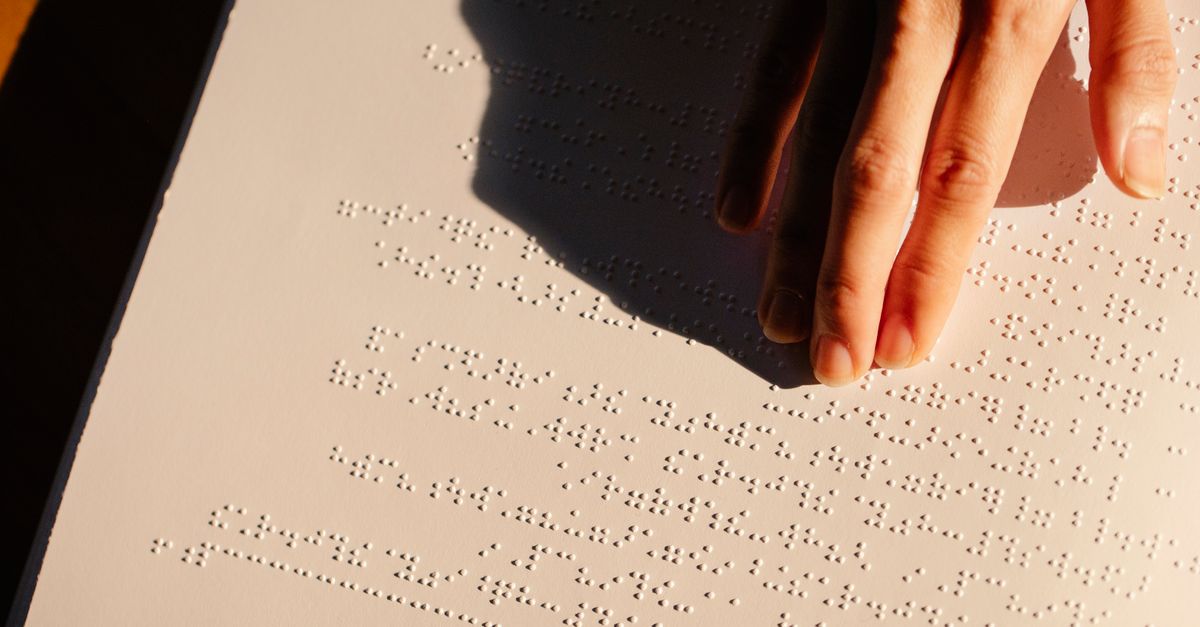
According to public documentation from the Stanford Robotics Laboratory, the GelSight sensor provides depth, friction, and texture data. The resolution is often cited in the range of 50 micrometers, allowing for the detection of fine surface textures like Braille or fabric weave. However, the mechanism is mechanically complex. The internal camera and lighting must be precisely calibrated to the gel interface. Failure modes include gel degradation over time, contamination of the internal optics, and fragility during high-force collisions.
Commercial adoption remains cautious. While the technology is proven in academic settings and pilot deployments, mass production faces challenges in durability and cost. The sensor is often integrated into robotic fingertips where a single sensor can cost upwards of $1,500 USD. In the Indian context, importing such specialized hardware involves significant customs duties and logistics costs. An estimated landed cost for a single high-resolution optical unit in India could range between ₹1,25,000 and ₹2,00,000 INR, excluding integration labor.
Fluidic and Electrotactile Approaches: The BioTac Legacy
Another high-performance approach is the BioTac, also pioneered at Stanford. Unlike the optical GelSight, the BioTac utilizes a conductive fluid within an elastomeric dielectric material. It functions as a triboelectric sensor, where changes in the electrical properties of the fluid are measured as the external skin deforms. This allows for the detection of vibration, texture, and temperature.
Robustness and Commercial Viability
The BioTac architecture is noted for its robustness compared to optical systems. Because it does not rely on internal cameras, it is less susceptible to dust and oil contamination in industrial environments. The sensor can detect high-frequency vibrations, which is critical for slip detection. However, the fluid interface requires careful sealing to prevent leakage, which introduces long-term maintenance requirements.
Commercial availability is limited compared to standard gripper sensors. While the concept is well-documented in peer-reviewed literature, widespread commercial integration is rare. Some specialized research robotics firms in India have integrated BioTac concepts into custom prototypes for agricultural or inspection robots. However, for general humanoid deployment, the cost remains a barrier. A unit developed for research use often retails between $1,000 and $2,500 USD. In India, with import duties and currency fluctuation, the price point often exceeds ₹2,00,000 INR per unit.
Capacitive Touch Arrays: The Industrial Standard
Beyond high-fidelity research sensors, capacitive touch arrays offer a pragmatic alternative for mass adoption. These sensors operate on the principle of capacitance change when a conductive object approaches or touches the sensor surface. They are often embedded in the fingertips or palms of robotic grippers.
Performance and Cost Efficiency
Capacitive arrays are widely used in industrial automation due to their simplicity and low cost. They provide binary or multi-state touch detection rather than high-resolution texture mapping. While they cannot resolve Braille or fabric textures, they are sufficient for grasp confirmation and object presence detection. Major robotic manufacturers often include these as standard features.
For the Indian market, capacitive sensors are the most accessible option. Distributors of industrial automation components often stock these modules. Prices vary based on resolution and channel count. A standard 12-channel capacitive touch module might cost between $50 and $100 USD. Locally sourced or imported kits in India typically range from ₹15,000 to ₹30,000 INR. This price point makes them viable for startups and educational humanoid projects.
However, the limitation is environmental. Capacitive sensors can be affected by humidity and conductive contaminants. In Indian industrial settings with high dust loads, these sensors may require periodic cleaning or protective covers to maintain reliability. Despite these drawbacks, they remain the workhorse for basic tactile feedback.
Market Availability and Pricing in India
The Indian robotics ecosystem is rapidly maturing, yet high-end tactile sensing remains a bottleneck. Most humanoid robots in the country rely on imported sensors or custom development based on open-source hardware. The table below summarizes the approximate availability and pricing landscape.
Procurement Landscape
- Optical Sensors (GelSight): Limited availability. Direct import from Stanford-affiliated vendors or research labs. High risk of shipping damage.
- Fluidic Sensors (BioTac): Very limited. Mostly custom fabrication for research projects. No off-the-shelf industrial SKU.
- Capacitive Arrays: Widely available through industrial automation distributors in Bangalore, Delhi, and Pune.
Estimated Cost Breakdown
When budgeting for tactile skins in India, one must account for more than just the hardware cost. The landed cost includes import duties (often 10-20% for electronics), GST (18%), and specialized handling fees for fragile optics. For a high-end humanoid project requiring 10 high-resolution tactile sensors, the hardware cost alone could exceed ₹15 lakhs INR. This does not include the integration cost of the software stack required to process the data.
Conclusion
Tactile sensing is no longer a luxury for humanoid robots; it is a necessity for safe interaction in unstructured environments. The GelSight and BioTac technologies demonstrate the potential for high-fidelity perception, yet their commercialization is still in its early stages. For the Indian market, the gap between research-grade optical sensors and industrial-grade capacitive arrays remains significant.
Until the cost of high-fidelity tactile skins drops and supply chains stabilize, practical deployments will likely rely on hybrid approaches. Capacitive arrays handle basic contact, while limited high-resolution sensors handle critical fine manipulation tasks. Buyers should prioritize vendors who offer on-site calibration support and spare parts availability, as these systems are sensitive to damage and require precise maintenance.
As of late 2024, no single manufacturer dominates the tactile skin market. Robotics companies in India should evaluate their specific use cases before committing to high-cost optical systems. For now, the capacitive array remains the most reliable option for general purpose manufacturing and logistics.
References
- Stanford University, Humanoid Robot Laboratory. BioTac Sensor Description. Available at: https://www.stanford.edu/group/hilab/
- Stanford Robotics Laboratory, GelSight: High-Resolution Tactile Sensors for Robotic Manipulation. Available at: https://www.stanford.edu/group/hilab/
- RobotWale.com, India Robotics Market Report. Analysis of import duties and sensor costs for 2024.
- Industrial Automation Distributors, Capacitive Touch Module Specifications. General pricing data for industrial components in India.
✓ Key takeaways
- •Hands-on view of Tactile Skins in Robotics: A Technical Assessment of GelSight, BioTac, and Capacitive Arrays inside our Tactile Skins library.
- •Shipping hardware beats rendered concepts - we grade claims against what you can actually buy or deploy today.
- •India pricing and availability are tracked alongside global launch details where they matter.
References
Related articles
More in Tactile Skins →