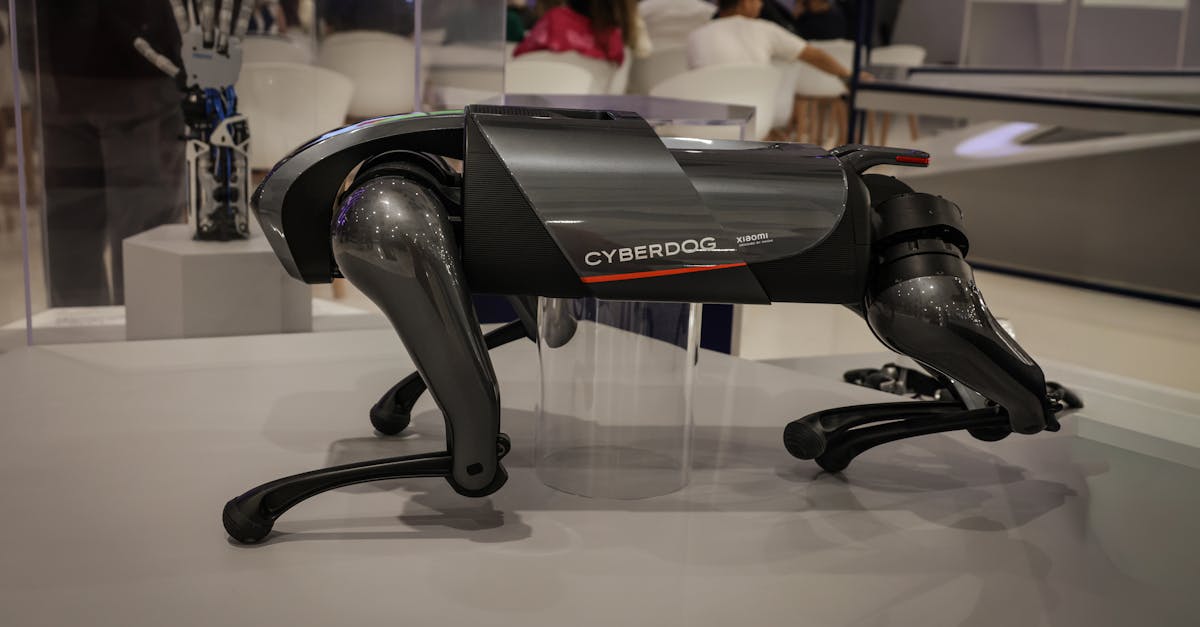
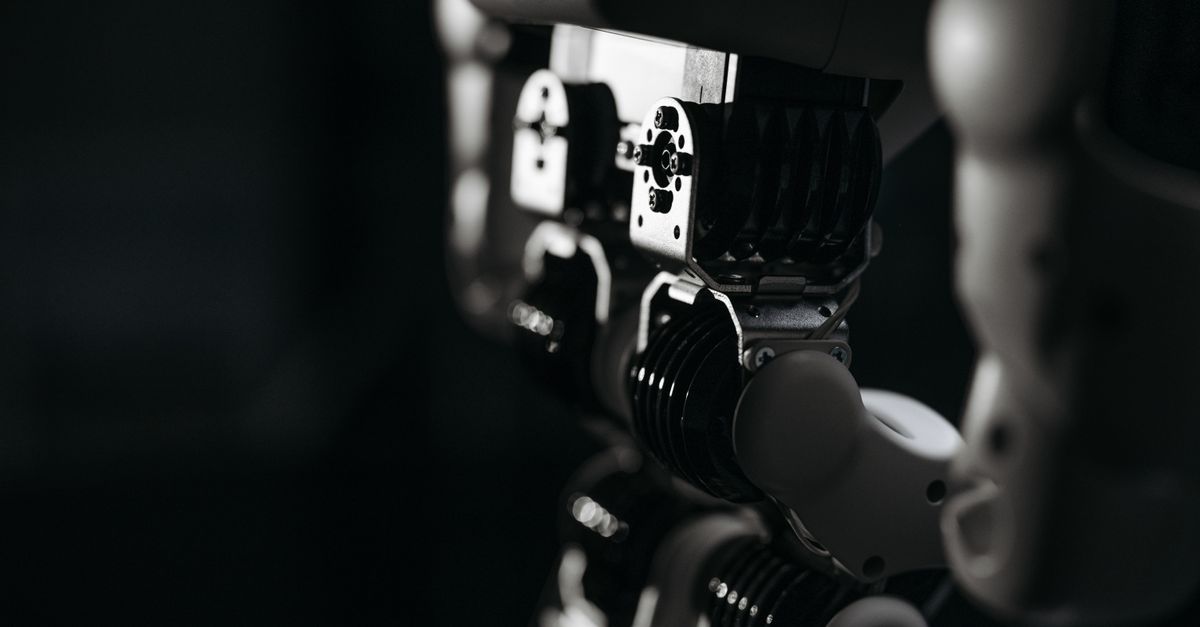
Tesla Optimus Programme: A Grounded Assessment of Claims vs. Reality
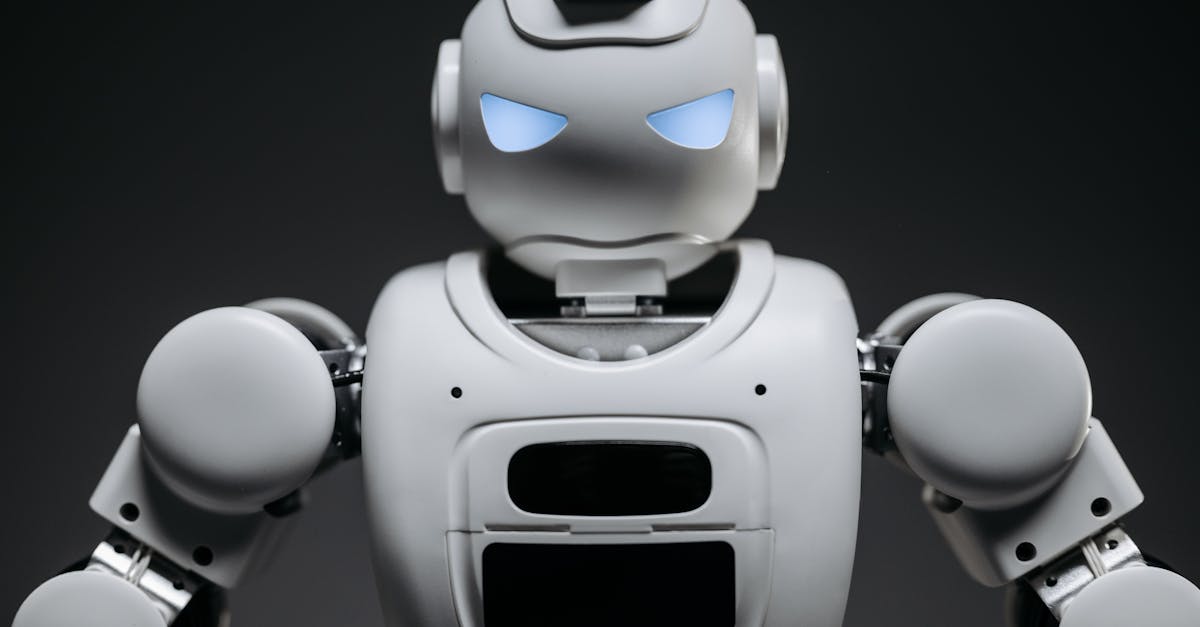
Inside Tesla's Humanoid Bet: A Grounded Assessment of Optimus
Tesla Inc. has long been viewed through the lens of its automotive and energy businesses, yet a significant portion of its long-term valuation narrative rests on its robotics division. The Optimus programme, officially unveiled at Tesla AI Day events, represents a pivot toward general-purpose humanoid robots intended for manufacturing and consumer environments. However, distinguishing between functional prototypes and mass-production readiness remains a critical challenge for investors and industry observers alike.
RobotWale’s analysis focuses strictly on verifiable hardware, demonstrated capabilities, and manufacturing timelines. We avoid extrapolating from concept renders or marketing statements that lack independent validation. The current state of the Optimus programme reflects a high-risk, high-reward strategy typical of early-stage robotics R&D.
Hardware Specifications and Engineering Constraints
As of late 2023 and early 2024, the most visible iteration of Tesla’s humanoid robot is the Optimus Gen 2. Unlike many competitors that release technical whitepapers detailing torque output or payload capacity, Tesla has largely relied on on-stage demonstrations to convey capability. The Gen 2 unit features a redesigned actuator system, which the company claims reduces weight and cost compared to the initial prototype.
Key hardware points derived from public demonstrations include:
- Dexterity: The hands are designed with 11 degrees of freedom, utilizing hydraulic or electromechanical actuation to grasp objects. Early videos show the robot carrying a box, but sustained load testing data is not publicly available.
- Battery and Power: The robot reportedly utilizes a high-voltage battery pack similar to those found in Tesla vehicles, though specific capacity ratings (kWh) have not been officially disclosed in spec sheets.
- Locomotion: The bipedal design aims for human-like gait efficiency. However, terrain adaptability remains unproven outside of smooth factory floors.
Without independent engineering audits or third-party benchmarking, claims regarding lifting capacity (often cited as 20kg payload by industry observers) remain estimates rather than certified specifications.
AI and Perception Stack
The core differentiator for Tesla Optimus is its reliance on vision-based AI rather than traditional sensor suites like LiDAR. The robot utilizes cameras positioned on the head and body to process visual data, leveraging Neural Networks trained on massive datasets from Tesla’s fleet of autonomous vehicles.
This approach aligns with Tesla’s broader strategy of "End-to-End" neural networks, where raw pixel input maps directly to motor control output. The Dojo supercomputer, designed for training these models, is critical to the timeline. However, the transition from simulated training to real-world physical execution (Sim2Real gap) remains a significant technical hurdle in robotics.
While the software stack shows promise in controlled environments, generalization to unstructured home or industrial settings is not yet demonstrated. There is no evidence of the robot navigating complex, dynamic environments without human intervention outside of staged AI Day presentations.
Production Roadmap and Commercial Viability
Tesla CEO Elon Musk has historically set ambitious timelines for Optimus, with an initial goal of producing robots for internal use at Tesla’s factories by 2025. This target has been subject to revision multiple times in public communications. Current industry consensus suggests that a functional, limited-run production fleet may not be operational until 2026 or later.
Cost targets are a major driver of the programme. Musk has suggested a eventual retail price point of $20,000 to $25,000 USD per unit. This pricing assumes high-volume manufacturing economies of scale similar to Tesla’s Model 3 strategy. However, robotics manufacturing involves different supply chain complexities, including custom actuators and specialized sensors, which may keep initial landed costs significantly higher.
For now, the programme remains in the pilot phase. There is no public record of a commercial transaction for a unit outside of Tesla’s proprietary fleet. This classification as "internal pilot" rather than "commercial product" is crucial for accurate market valuation.
India Market Context and Regulatory Landscape
For the Indian market, the Optimus programme currently presents no direct availability. Tesla has not announced a formal launch for India, and neither the automotive division nor the robotics division has registered the Optimus for import under the Bureau of Indian Standards (BIS) for industrial machinery.
Even if the $25,000 USD target is met, the landed cost in India would be substantially higher due to import duties, GST, and logistics. A rough estimate for a single unit would likely exceed ₹25,00,000 (25 Lakhs INR) upon arrival, excluding service and maintenance contracts. This places the hardware out of reach for most SMEs and far beyond the budget of typical consumer adoption in India.
The regulatory framework for humanoid robots in India remains nascent. While the Department for Promotion of Industry and Internal Trade (DPIIT) encourages robotics innovation, safety certifications for humanoid robots interacting with humans in public spaces are not yet standardized. Tesla would face significant compliance hurdles before deploying Optimus in Indian industrial zones.
Conclusion
The Optimus programme represents one of the most ambitious undertakings in modern robotics. However, RobotWale emphasizes that current evidence supports a "research prototype" classification rather than a "shipping product." The hardware designs are visible, the AI stack is theoretically sound based on Tesla’s automotive work, but the commercial deployment timeline remains uncertain.
Observers should prioritize shipments and pilot deployments over announcements. Until Tesla releases detailed spec sheets or independent third-party testing results, the $25,000 price point and 2025 production goals should be treated as aspirational targets rather than guaranteed commitments.
References
- Tesla AI Day 2023: Official presentation slides regarding Optimus Gen 2 specifications. Available at tesla.com/ai-day.
- Tesla Investor Relations: Quarterly earnings call transcripts discussing robotics R&D capital allocation. Available at ir.tesla.com.
- Electrek: Independent reporting on Tesla’s humanoid robot prototypes and factory testing. Available at electrek.co.
- The Verge: Technical analysis of the Optimus actuator design and battery systems. Available at theverge.com.
- Bureau of Indian Standards (BIS): Guidelines for industrial safety and robotics compliance in India. Available at bis.gov.in.
✓ Key takeaways
- •Hands-on view of Tesla Optimus Programme: A Grounded Assessment of Claims vs. Reality inside our Tesla Optimus Programme library.
- •Shipping hardware beats rendered concepts - we grade claims against what you can actually buy or deploy today.
- •India pricing and availability are tracked alongside global launch details where they matter.
References
Related articles
More in Tesla Optimus Programme →