Case and Piece Picking: Shipping Hardware, Vision Models, and the AGV Alternative
The State of Case and Piece Picking Automation
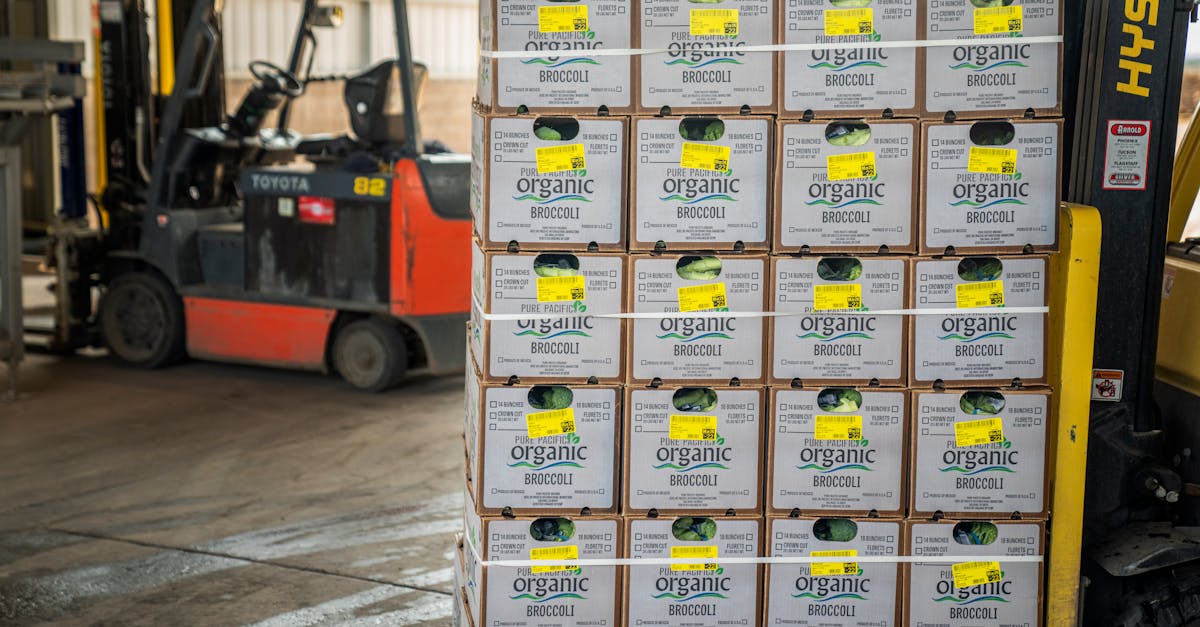
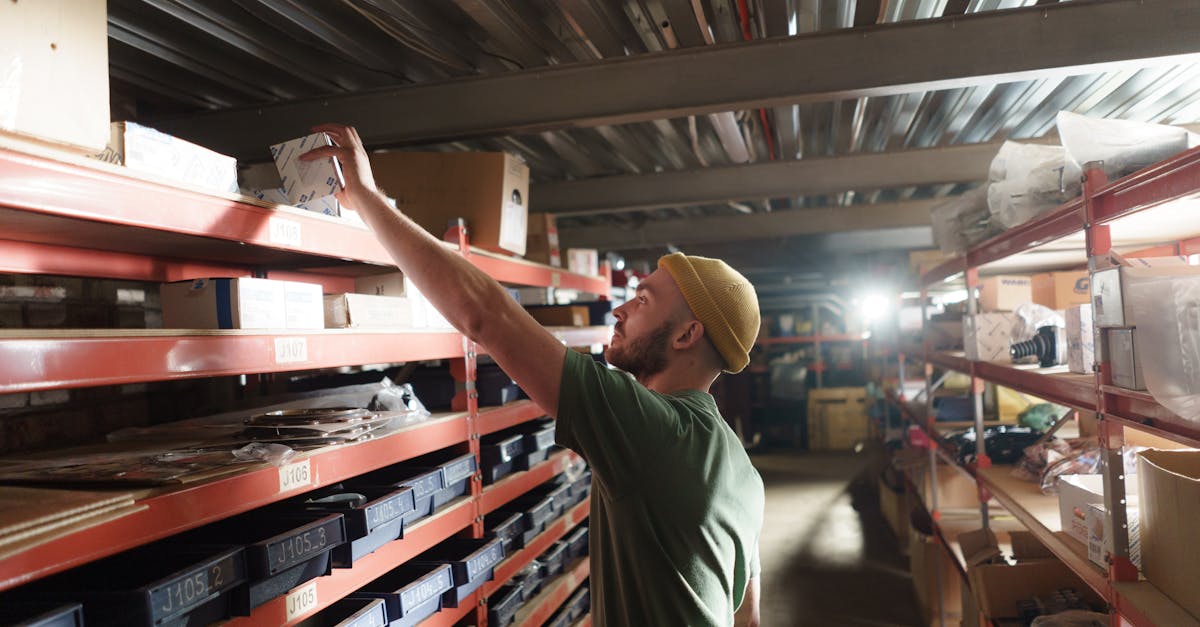
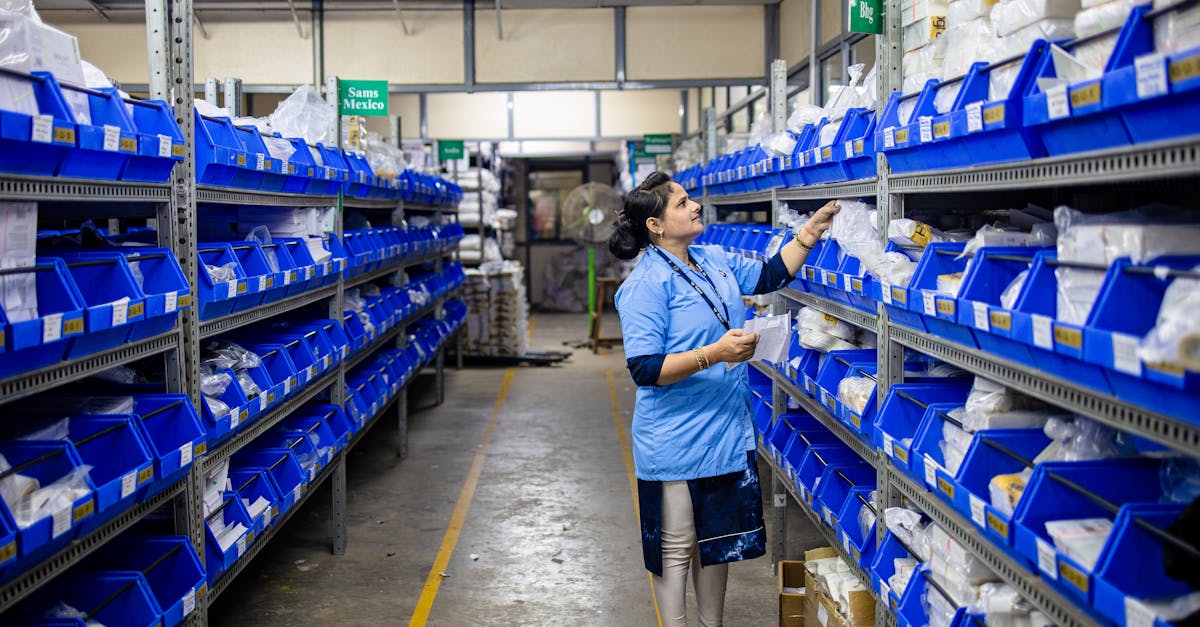
Case-picking and piece-picking remain the most operationally intensive tasks in modern distribution centers. The workload splits into two distinct physical domains. Case picking moves full retail or shipping cartons, typically weighing 10 to 30 kilograms, often in uniform grid patterns. Piece picking handles individual SKUs, frequently in variable packaging, mixed orientations, and irregular dimensions. Both require rapid vision processing, precise kinematics, and reliable end-of-arm tooling. The market has responded with three overlapping hardware categories: vision-driven autonomous platforms, AGV-orchestrated warehouse networks, and traditional pick-and-place robotic arms. Evaluating these systems requires grading claims by shipping hardware first, pilot deployments second, and product announcements last.
Defining the Workload: Case vs. Piece Picking
The mechanical and computational demands of case picking differ significantly from piece picking. Case picking prioritizes throughput, structural rigidity, and standardized gripping. Piece picking prioritizes adaptive vision, dexterous manipulation, and rapid cycle times for high-SKU-variability environments. Systems that claim to handle both must demonstrate hardware flexibility and software generalization under real DC conditions, not just simulation.
The Hardware Reality: What Actually Ships
Grading the category by deployment status yields a clear hierarchy. Shipping hardware includes fully integrated robotic cells, AGV fleets, and vision-enabled platforms with documented customer installations. Pilot deployments show partial integration, limited SKU coverage, or constrained throughput metrics. Announcements and rendered concepts remain speculative until hardware crosses the factory floor and achieves repeatable cycle times.
The following sections grade the dominant vendors and architectures by these standards.
Covariant: Vision-Driven Piece Picking at Scale
Covariant has positioned its platform around large-scale vision models trained on real-world bin and conveyor data. The system combines 3D vision, adaptive path planning, and collaborative or industrial arms equipped with parallel grippers and force-torque sensing. Covariant's hardware ships as a complete platform, with documented deployments across multiple large-scale distribution partners.
Key operational characteristics include:
- Vision architecture relies on proprietary large-scale models trained on millions of real-world picking images, reducing reliance on pre-programmed part models.
- Hardware typically ships with 6-axis industrial arms or collaborative arms, paired with custom end-of-arm tooling optimized for piece picking.
- Throughput claims are measured in picks per hour per robot, with real-world deployments showing consistent performance across mixed-SKU environments.
- Software includes workflow orchestration, pick verification, and integration with existing WMS/ERP systems via standard APIs.
Covariant's approach grades firmly in the shipping hardware category for piece picking. The company has moved beyond pilot deployments to multi-site operations, with publicly documented case studies confirming sustained throughput and low error rates. The system's strength lies in adaptive vision and rapid reconfiguration for new SKUs, making it suitable for high-variability e-commerce and retail distribution.
Symbotic: AGV-First Case Handling and Sortation
Symbotic operates a different architectural paradigm. Rather than individual robotic arms reaching into bins, Symbotic deploys a dense network of autonomous guided vehicles (AGVs) that interface with vertical storage structures, sortation conveyors, and robotic palletizing stations. The system excels at case picking, pallet building, and high-throughput sortation.
Operational realities include:
- Hardware ships as a fully integrated warehouse OS paired with AGV fleets, vertical lift modules, and robotic case handlers.
- Deployments require significant facility modification, including reinforced flooring, precise grid alignment, and dedicated power infrastructure.
- Throughput scales with AGV density and sortation line capacity, with large-scale deployments handling millions of cases per day.
- Integration focuses on WMS orchestration, inventory positioning, and automated replenishment cycles.
Symbotic grades as shipping hardware for case picking and palletizing. The company has completed numerous large-scale DC builds, with verified throughput metrics and documented operational history. The system's limitation lies in flexibility: it is optimized for uniform case dimensions and high-volume SKU stability. Piece picking is handled only as a secondary function, typically via downstream robotic arms or manual workstations.
Traditional Pick-and-Place Arms: The Baseline
Before AI-driven platforms, piece and case picking relied on traditional pick-and-place robots. These include SCARA robots for high-speed horizontal picking, 6-axis industrial arms for reach and dexterity, and collaborative arms for safer human-robot workcells. Vision systems, typically mounted above the pick zone, guide gripper positioning and object recognition.
Standard hardware characteristics include:
- SCARA robots deliver cycle times of 0.3 to 0.5 seconds for uniform parts, with limited vertical reach and no adaptive vision without external sensors.
- 6-axis industrial arms provide full workspace flexibility, supporting both case and piece picking with interchangeable end-of-arm tooling.
- Collaborative arms enable rapid deployment in existing facilities, with torque limiting and force feedback for safe human interaction.
- External vision systems use structured light, stereo cameras, or laser triangulation to locate objects in bins or on conveyors.
Traditional arms grade as shipping hardware for both case and piece picking, with decades of deployment history. The limitation lies in software generalization: each new SKU typically requires reprogramming, gripper adjustment, or vision calibration. AI-driven platforms address this gap, but traditional arms remain the cost-effective baseline for stable, high-volume SKUs.
India Availability and Landed Cost Estimates
India's warehouse automation market has shifted from manual picking to semi-automated and automated systems. The availability of case and piece picking hardware follows a clear distribution pattern.
- Covariant: No official India deployment or distributor network is publicly documented as of the latest reporting. International pricing is enterprise-level, typically structured as hardware plus annual software licensing. Estimated landed cost for a multi-robot cell would exceed ₹2.5 crore, excluding facility modification.
- Symbotic: No confirmed India deployments or local channel partners. The system requires large-scale facility integration, making it suitable only for mega-Distribution Centers. Enterprise pricing typically ranges from $15 million to $100 million per DC, with landed costs in India estimated at ₹120 crore to ₹800 crore depending on scale.
- Traditional Pick-and-Place Arms: Widely available through authorized distributors in India. Fanuc, ABB, Universal Robots, and Techman have established local sales and service networks. Standard 6-axis industrial arms range from ₹18 lakh to ₹35 lakh. SCARA robots range from ₹12 lakh to ₹22 lakh. Collaborative arms range from ₹15 lakh to ₹28 lakh. Vision systems add ₹5 lakh to ₹12 lakh per cell. End-of-arm tooling adds ₹2 lakh to ₹8 lakh. These are distributor-list estimates; actual landed costs vary by component sourcing, import duties, and integration scope.
Indian integrators frequently bundle traditional arms with local vision suppliers and gripper manufacturers, reducing reliance on imported complete cells. For case picking, Indian facilities often deploy semi-automated carton erectors, stretch wrappers, and robotic palletizers from domestic or regional manufacturers, keeping total system costs lower than fully automated Western equivalents.
Implementation Realities and Deployment Grading
Evaluating case and piece picking systems requires separating marketing claims from operational reality. The grading framework used here prioritizes shipping hardware, followed by pilot deployments, then announcements.
- Shipping Hardware: Covariant and Symbotic both ship complete systems with documented deployments. Traditional arms ship globally with decades of operational history. These platforms deliver measurable throughput and error rates.
- Pilot Deployments: Many AI vision startups remain in pilot stages, demonstrating selective SKU success without full DC integration. Pilots show promise but require scaling validation.
- Announcements: Rendered concepts, prototype videos, and partnership press releases do not indicate shipping hardware. Grading these as deployment-ready misleads procurement and operations teams.
For Indian facilities, the practical path depends on SKU stability and volume. High-volume, stable SKUs favor traditional pick-and-place arms with local integration. High-variability, e-commerce-driven workloads favor AI vision platforms, though India availability remains limited. Case picking at scale favors AGV networks or semi-automated carton handling, depending on facility size and capital allocation.
Procurement teams should request cycle time data, error rates, SKU changeover procedures, and reference facility contacts before committing to any case or piece picking system. Hardware that ships with verified deployments and transparent metrics remains the only reliable foundation for warehouse automation.
References
- Covariant Platform Overview and Deployments. https://www.covariant.ai/
- Symbotic Warehouse OS and AGV Architecture. https://symbotic.com/
- Fanuc Robotics India Product Catalog and Pricing. https://www.fanuc.co.in/
- ABB Robotics India Distribution and Integration Services. https://new.abb.com/robotics/india
- Universal Robots India Collaborative Arm Specifications. https://www.universal-robots.com/in/
- Robotics Business Review: Warehouse Automation Deployment Tracking. https://www.roboticsbusinessreview.com/
- International Federation of Robotics: Global Industrial Robot Market Reports. https://ifr.org/
✓ Key takeaways
- •Hands-on view of Case and Piece Picking: Shipping Hardware, Vision Models, and the AGV Alternative inside our Case & Piece Picking library.
- •Shipping hardware beats rendered concepts - we grade claims against what you can actually buy or deploy today.
- •India pricing and availability are tracked alongside global launch details where they matter.
Related articles
More in Case & Piece Picking →