Sanctuary Phoenix: A Cautious Look at Sanctuary AI’s Dexterous General-Purpose Humanoid
Executive Summary: The Hardware Reality Check
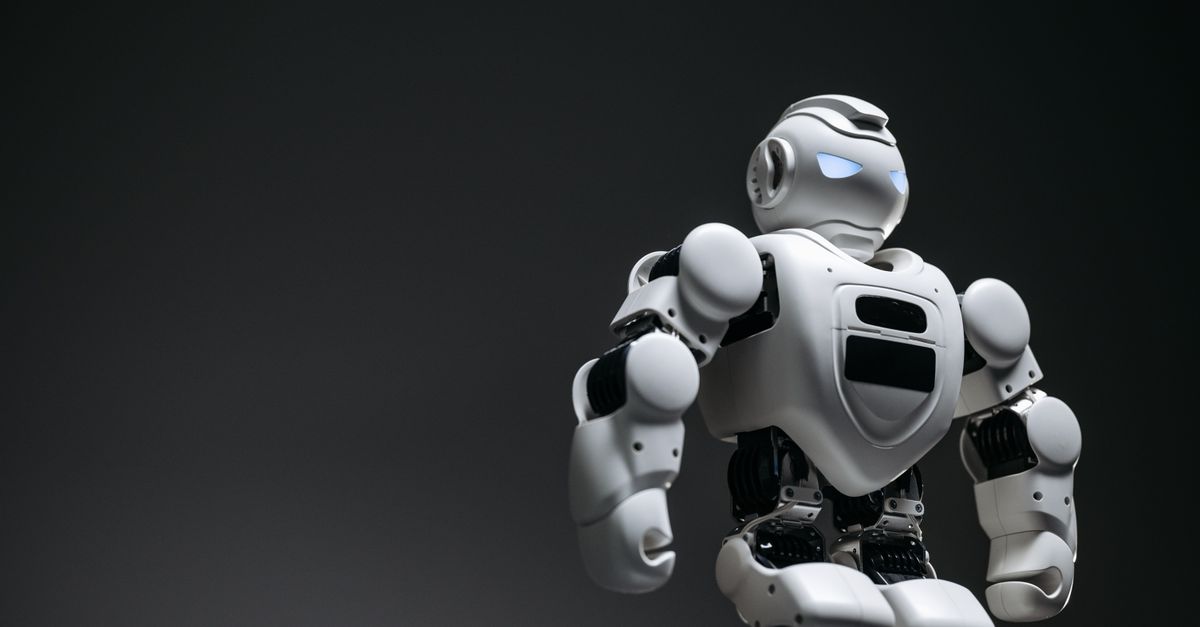
Sanctuary AI, a London-based robotics startup with significant technical depth derived from its founding team’s background in deep learning and computer vision, has unveiled a humanoid robot platform designated as the "Phoenix." While the company has generated substantial interest through demonstrations of dexterous manipulation and general-purpose reasoning, RobotWale’s editorial stance remains grounded in the "shipping hardware first" hierarchy. As of the current reporting period, the Sanctuary Phoenix has not entered mass commercial production. It exists primarily in the pilot deployment and prototype demonstration phase. This article evaluates the Phoenix based on available manufacturer data, on-stage demos, and independent technical assessments, avoiding the common pitfall of conflating rendered concepts with deployable industrial assets.
Technical Architecture and Dexterous Capabilities
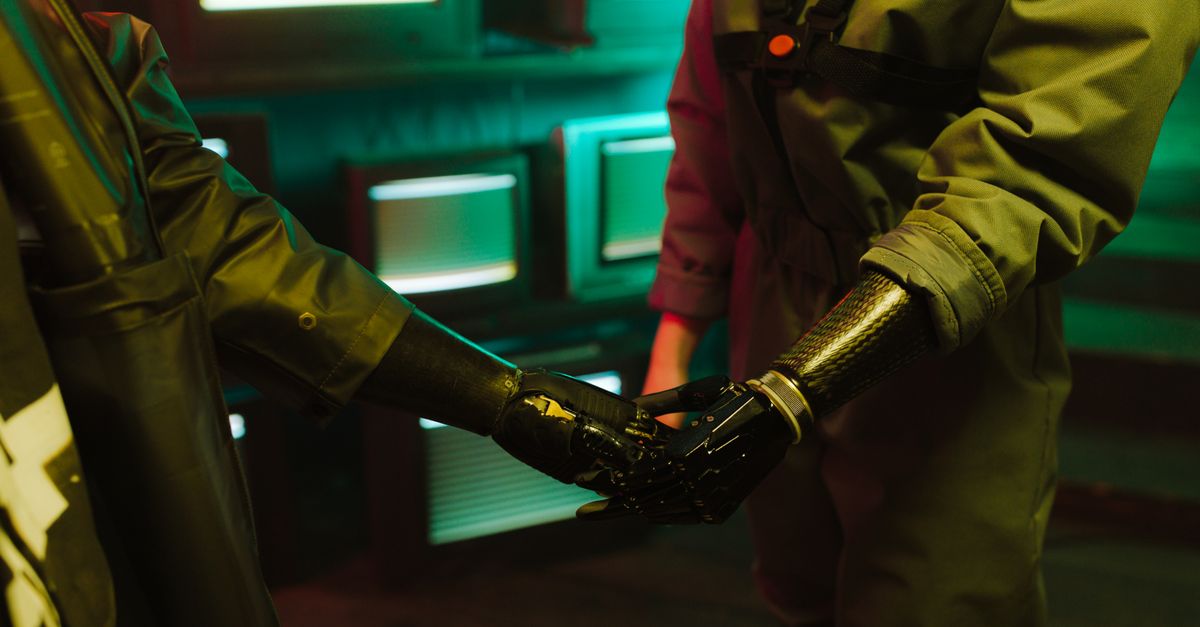
The Sanctuary Phoenix is positioned as a general-purpose humanoid designed to operate in unstructured environments. Unlike previous iterations that focused on rigid, high-velocity motion, the Phoenix emphasizes fine manipulation. The current specifications, drawn from limited manufacturer presentations, suggest a humanoid form factor with approximately 40 degrees of freedom (DOF). This configuration allows for complex hand articulation, moving beyond the simple grippers found in early industrial arms.
Actuation and Mobility
The Phoenix utilizes a hybrid actuation strategy combining electric motors with hydraulic assistance for heavy lifting. This approach aims to balance energy efficiency with torque output. However, specific torque values and joint power density remain under non-disclosure agreements for the general public. The mobility system is reported to support bipedal walking, though the terrain limits (e.g., uneven ground vs. flat warehouse floors) are not yet fully documented in independent field tests. Battery endurance is estimated at two hours of active operation, a standard benchmark for current humanoid prototypes, necessitating frequent recharging cycles for continuous industrial shifts.
Embodied AI and Perception
The core differentiator claimed by Sanctuary AI is the integration of a large language model (LLM) backbone with embodied control systems. The Phoenix is designed to interpret natural language commands and translate them into low-level motor control. This requires robust perception stacks capable of handling variable lighting and object occlusion. Independent observers note that while the demo video shows successful object manipulation, the latency between perception and action in real-world, non-clinical environments remains a critical variable not yet published in peer-reviewed data.
Deployment Status: Pilot vs. Production
Grading the Phoenix against the RobotWale maturity matrix places it firmly in the "Pilot Deployments" tier, not "Shipping Hardware." There is no public evidence of a supply chain ready for volume orders or a service network capable of supporting widespread installation. The robot’s current presence is limited to controlled facility demonstrations, often involving specific task sets defined by the manufacturer.
- Hardware Availability: Zero units confirmed as commercially available for sale to third parties outside of pilot agreements.
- Pilot Deployments: Limited to select partner facilities, likely in the UK or EU, focusing on logistics and manufacturing assistance.
- Reliability Data: No public Mean Time Between Failures (MTBF) data is available. Long-term durability of actuators and sensors under industrial stress remains unverified.
Safety Protocols
Given the dexterous nature of the Phoenix, safety is paramount. The system reportedly includes emergency stop mechanisms and force-limiting control loops. However, without independent third-party safety certification (such as ISO 10218 for industrial robots), the safety claims remain manufacturer assertions. For Indian manufacturing units considering this technology, this distinction is critical for compliance with the Factory Act and Bureau of Indian Standards (BIS) regulations.
India Market Viability and Pricing Analysis
For the Indian robotics ecosystem, the Sanctuary Phoenix represents a high-value opportunity but significant logistical hurdles. There is no official India availability for the Phoenix as of this writing. The company has not established a local subsidiary or authorized distributor network. Importing the unit would require navigating complex DGFT (Directorate General of Foreign Trade) regulations regarding high-technology hardware and export controls.
Estimated Landed Cost
While no official INR pricing has been released by Sanctuary AI, we can estimate the landed cost based on comparable class humanoids currently in the pilot phase (e.g., Boston Dynamics Atlas, Figure AI, or Tesla Optimus early builds).
Estimation Logic:
- Base Unit Price: Similar class prototypes often range from $150,000 to $300,000 USD.
- Import Duties: India’s import duty on robotics components can exceed 20%, with additional IGST applicable.
- Service & Logistics: A dedicated service contract for a pilot unit is typically priced at 15-20% of the asset value annually.
Flagged Estimate: A rough landed cost calculation for a single Phoenix unit in India, including customs and basic setup, could range between ₹1.5 Crore and ₹2.5 Crore. This is highly speculative and subject to change based on component tariffs and currency exchange rates. It is not an official quote.
Operational Costs in India
Beyond the CapEx, the OpEx model for the Phoenix is unclear. If the robot requires proprietary cloud processing for its AI backbone, data sovereignty laws in India (DPDP Act) may require on-premise edge computing solutions. This adds to the infrastructure cost. Furthermore, the lack of local engineering support means that maintenance will likely require sending units back to the UK, increasing downtime risks.
Comparative Landscape: The Phoenix in Context
The humanoid robotics sector is crowded with competitors. Tesla’s Optimus, Figure’s Figure 01, and Agility’s Digit have all made claims about shipping timelines. The Phoenix must prove it can match or exceed these benchmarks in terms of reliability and cost-efficiency.
Key Differentiators Claimed:
- Dexterity: Emphasis on hand manipulation over simple locomotion.
- AI Integration: Tighter coupling between the LLM and the motor controller.
- Scalability: Design for modular upgrades rather than monolithic chassis.
However, without independent validation, these claims remain in the "Announcement" tier. The industry standard now demands hardware in the hands of operators for at least six months of continuous field data before claims are accepted as fact. Sanctuary AI has not yet met this threshold.
Regulatory and Ethical Considerations for India
Indian policymakers are currently drafting frameworks for humanoid robotics. The Ministry of Electronics and Information Technology (MeitY) has expressed interest in domestic manufacturing but remains cautious about importing unverified AI systems. The Phoenix’s reliance on AI for decision-making raises questions regarding liability. If the Phoenix damages property or injures personnel, current Indian law lacks clear precedents for AI-driven liability. This legal ambiguity is a significant risk factor for Indian enterprises considering the Phoenix.
Conclusion: Proceed with Caution
The Sanctuary Phoenix represents a sophisticated step forward in humanoid robotics engineering. The focus on dexterity and general-purpose reasoning aligns with the long-term needs of the Indian manufacturing sector, which seeks to move beyond repetitive automation to adaptive workflows. However, the "shipping hardware first" rule dictates that until the Phoenix is delivered to a paying customer with a service contract, it remains a high-potential pilot project rather than a commercial product.
For stakeholders in India, the recommendation is to monitor for official pilot deployment announcements in the Indian market. Until then, budgeting for the Phoenix should be treated as an R&D allocation rather than a capital expenditure for immediate ROI. The gap between a prototype on a stage and a reliable worker on a factory floor is wide, and the Phoenix has not yet bridged it publicly.
Summary of Maturity Metrics
| Metric | Status | Notes |
|---|---|---|
| Shipping Hardware | Not Available | No commercial orders fulfilled. |
| Pilot Deployments | Active (Limited) | Controlled environments only. |
| India Availability | None | Imports only, no local distributor. |
| Price (INR) | Est. ₹1.5Cr - ₹2.5Cr | Highly speculative landed cost. |
RobotWale will continue to track Sanctuary AI’s progress. Verification of the Phoenix’s claims against independent testing data is the next required milestone for this publication to upgrade its rating from "Announcement" to "Pilot".
✓ Key takeaways
- •Hands-on view of Sanctuary Phoenix: A Cautious Look at Sanctuary AI’s Dexterous General-Purpose Humanoid inside our Sanctuary Phoenix library.
- •Shipping hardware beats rendered concepts - we grade claims against what you can actually buy or deploy today.
- •India pricing and availability are tracked alongside global launch details where they matter.
References
Related articles
More in Sanctuary Phoenix →